
Tech and AI
JCB hydrogen car sets 406.320 mph world land speed record on production-based engines
By Staff Writer | 17 August 2026
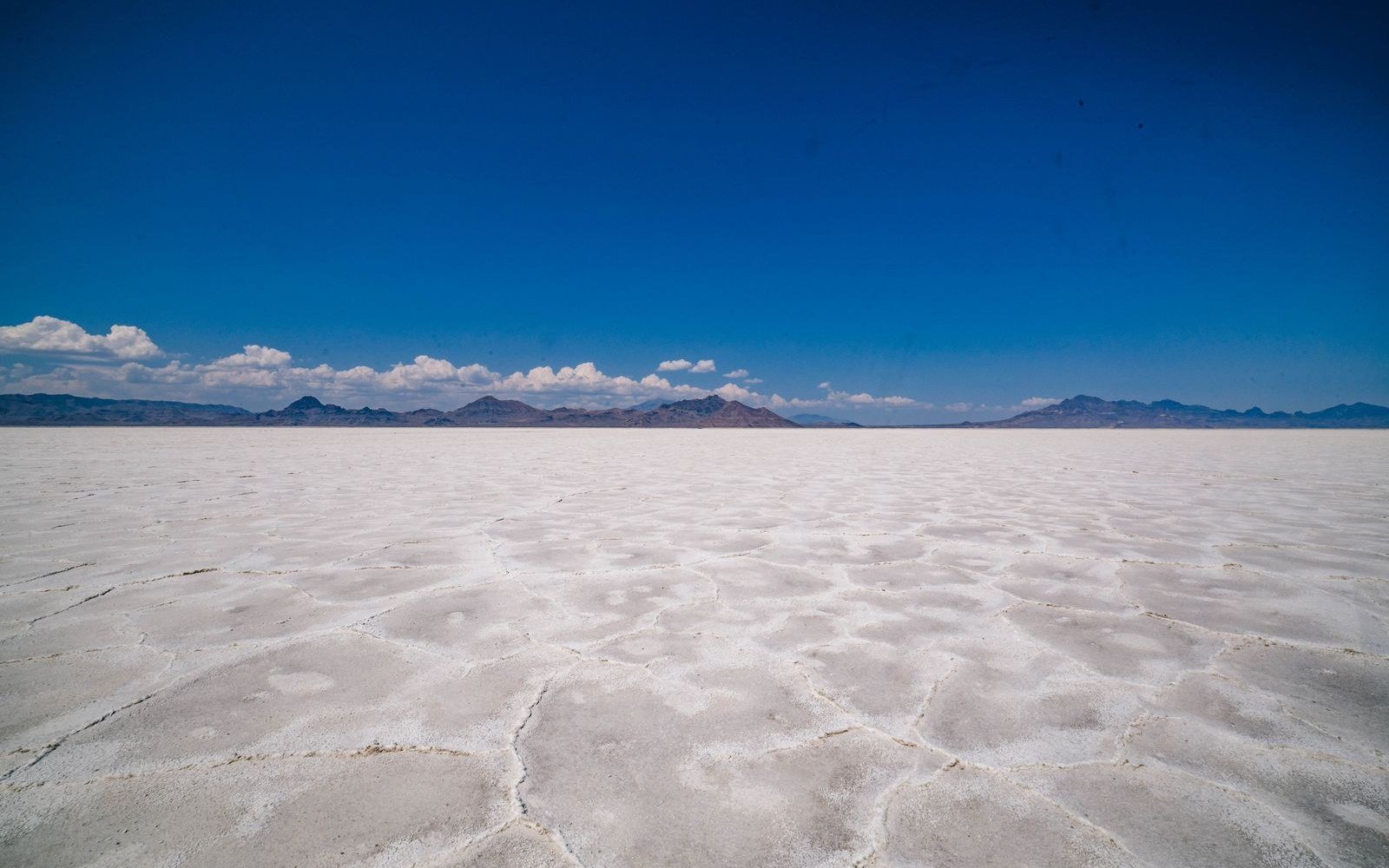
The twin-engined JCB Hydromax averaged 406.320 mph across the Bonneville Salt Flats on 12 August, the fastest any hydrogen-powered vehicle has travelled. The two engines that did it are production-based hydrogen units from the company's Derbyshire factory, the same design now going into its machines. The record awaits FIA ratification.
The British equipment manufacturer's 32-foot car recorded 400.623 mph on its first run across the Utah salt on Wednesday 12 August and 412.135 mph on its second, giving an official average of 406.320 mph. Under FIA rules the two runs must be made in opposite directions within one hour. The figure comfortably beats the previous FIA-officiated benchmark for a hydrogen internal combustion car, the 185.5 mph set by the BMW H2R in 2004, and it also exceeds the 303 mph mark for hydrogen fuel cell vehicles, making Hydromax the fastest hydrogen-powered vehicle of any kind. The record is subject to official ratification by the FIA, motorsport's global governing body.
The car was driven by Wing Commander Andy Green OBE, who remains the fastest man on earth at 763.035 mph and the only person to have broken the sound barrier on land. Twenty years ago, on the same salt, Green drove JCB Dieselmax to the world diesel land speed record of 350.092 mph, a record which still stands. The new average is more than 56 mph above the company's own diesel benchmark.
Digger engines, not bespoke ones
What separates this record from most speed programmes is the machinery. The car runs two of the company's production-based hydrogen combustion engines, built at its engine factory in Foston, Derbyshire, and producing a combined 1,600 bhp. The same engine design is now being fitted to machines coming off the company's production lines under a £100 million hydrogen programme.
This record was set by production-based engines, the same engines powering JCB diggers right now. That is the point of JCB Hydromax: it shows hydrogen works, and it works today at the highest level with zero emissions.
Lord Bamford, Chairman, JCB
Lord Bamford, the company's chairman, has led its hydrogen engine project and proposed the record attempt early last year. For plant and equipment buyers weighing how seriously to take hydrogen combustion as a diesel replacement, a production-derived engine surviving a flat-out record run is a more useful data point than any brochure figure.
The record run came a week after the car set a 368.347 mph class record at the Southern California Timing Association's Bonneville Speed Week, a staged development programme rather than a single attempt.
The team behind it
Green called the drive a privilege. "Setting a world land speed record with hydrogen power, twenty years after Dieselmax, is a huge privilege. This record is a huge achievement by a world class team and superb technology." Ryan Ballard, the company's engineering director, who leads the project, put the credit with his engineers: "This record belongs to the engineering team which took a hydrogen digger engine and made it the fastest of its kind on earth."
The UK motorsport governing body's account of the day confirms the average speed, the driver, the venue and the date, and records that the engineering firms Prodrive and Ricardo worked alongside the manufacturer on the programme. The record was set in the FIA's Category A, Group XIV, Class 7 flying start classification.
The company has history at Bonneville beyond Dieselmax: its Fastrac became the world's fastest tractor at 135.191 mph in 2019, and its GT set a backhoe loader record of 72.58 mph in 2014. The difference this time is that the technology on the salt is the technology in the sales catalogue. Hydrogen combustion has spent years as a promise in the equipment sector; as of Wednesday it holds a world land speed record, pending the FIA's paperwork.