
UK Construction and Law
Sand and gravel extraction at former Hamble Airfield stands as parish council challenge is refused
By Staff Writer | 17 August 2026
Hamble Parish Council's attempt to overturn the inspector's decision allowing Cemex to quarry the former Hamble Airfield failed at a renewed permission hearing, the Planning Court holding that none of its three grounds attacking the habitats assessment and the treatment of Natural England's advice was realistically arguable.
Mr Justice Chamberlain refused permission on 11 August ([2026] EWHC 2138 (Admin)), agreeing with Lang J, who had refused it on the papers in February. The decision leaves in place the appeal decision by which inspector Stephen Normington, after a public inquiry, granted Cemex UK Operations Ltd permission to extract sand and gravel from the former airfield at Hamble in Hampshire, overturning Hampshire County Council's refusal.
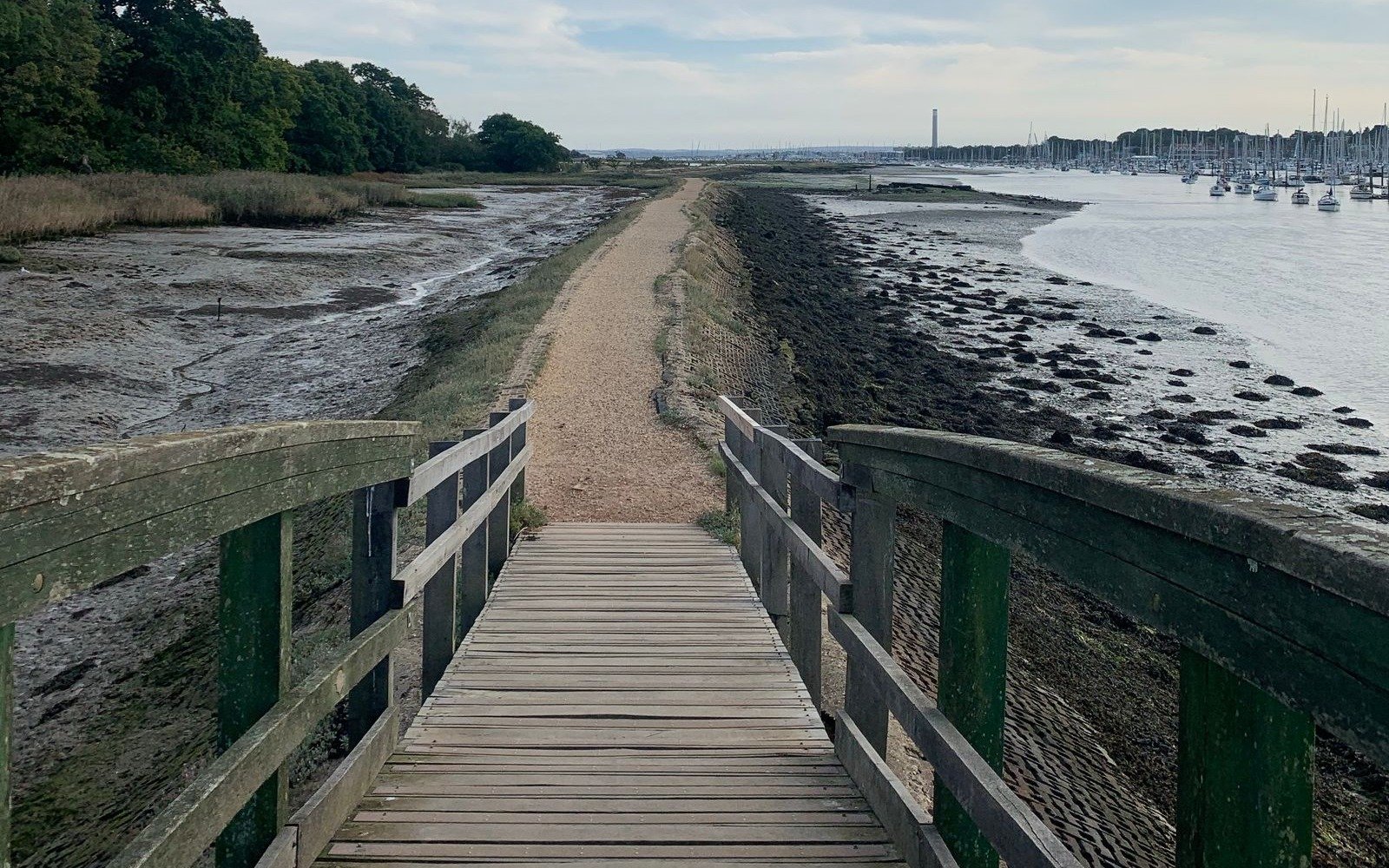
The site is flat, open scrubland bordered by homes, two schools and the railway. About 300 metres to its east, beside the River Hamble, lie the Solent and Southampton Water Ramsar site, the Solent Maritime Special Area of Conservation and the Solent and Southampton Water Special Protection Area, with the Lincegrove and Hackett's Marshes Site of Special Scientific Interest among the nearest designations.
The battleground was hydrology. The objectors' experts said the sand and gravel deposits in place act as an aquifer, storing rainwater and releasing it slowly into the streams that feed the protected sites, and that replacing them with inert infill would send water through in a day or two rather than over weeks. Natural England did not object to the scheme, but the objectors said its position rested on a mistaken factual premise: its consultants' summary placed the marshes beyond Badnam Creek, when the tidal creek is part of the designated marsh itself.
Consultation, not investigation
The challenge said the inspector should have put that misconception squarely to Natural England before relying on its advice. The court disagreed. The only statutory duty was to consult, which the inspector did, including a further consultation after the evidence closed, and statutory consultees who choose not to attend an inquiry can read the documents and watch the livestream if they wish. How to deal with the point was a procedural choice within the inspector's range, particularly because he had made his own findings, on the competing expert evidence, that the development would not materially affect the water flows or the habitats depending on them.
The claimant's complaints are, in reality, attempts to re-run arguments that were fully ventilated before the Inspector and which he plainly did not find persuasive.
Mr Justice Chamberlain
The remaining grounds fell with the first. The inspector had taken from the case law only the proposition that Natural England's view carries weight, which the objectors accepted was correct, and his conclusions on the evidence were described by the judge as adequate for the main points in dispute and, in his words, impressive and full.
For these reasons, I agree with Lang J that none of the grounds of challenge is realistically arguable. Permission to apply for judicial review is therefore refused.
Mr Justice Chamberlain
What it settles
For minerals operators and objectors alike, the judgment shows where the habitats line of attack runs out. An inspector who has heard the expert evidence and made his own findings on it is not bound to chase a statutory consultee for reassurance about a point he has already judged immaterial, and a challenge built on re-arguing the inquiry will not get permission. The consent for extraction at Hamble stands, and with it the supply of sand and gravel the appeal was fought over.