
World
Yemen faces its gravest risk of full war since the 2022 truce, the United Nations envoy tells the Security Council
By Staff Writer | 14 August 2026
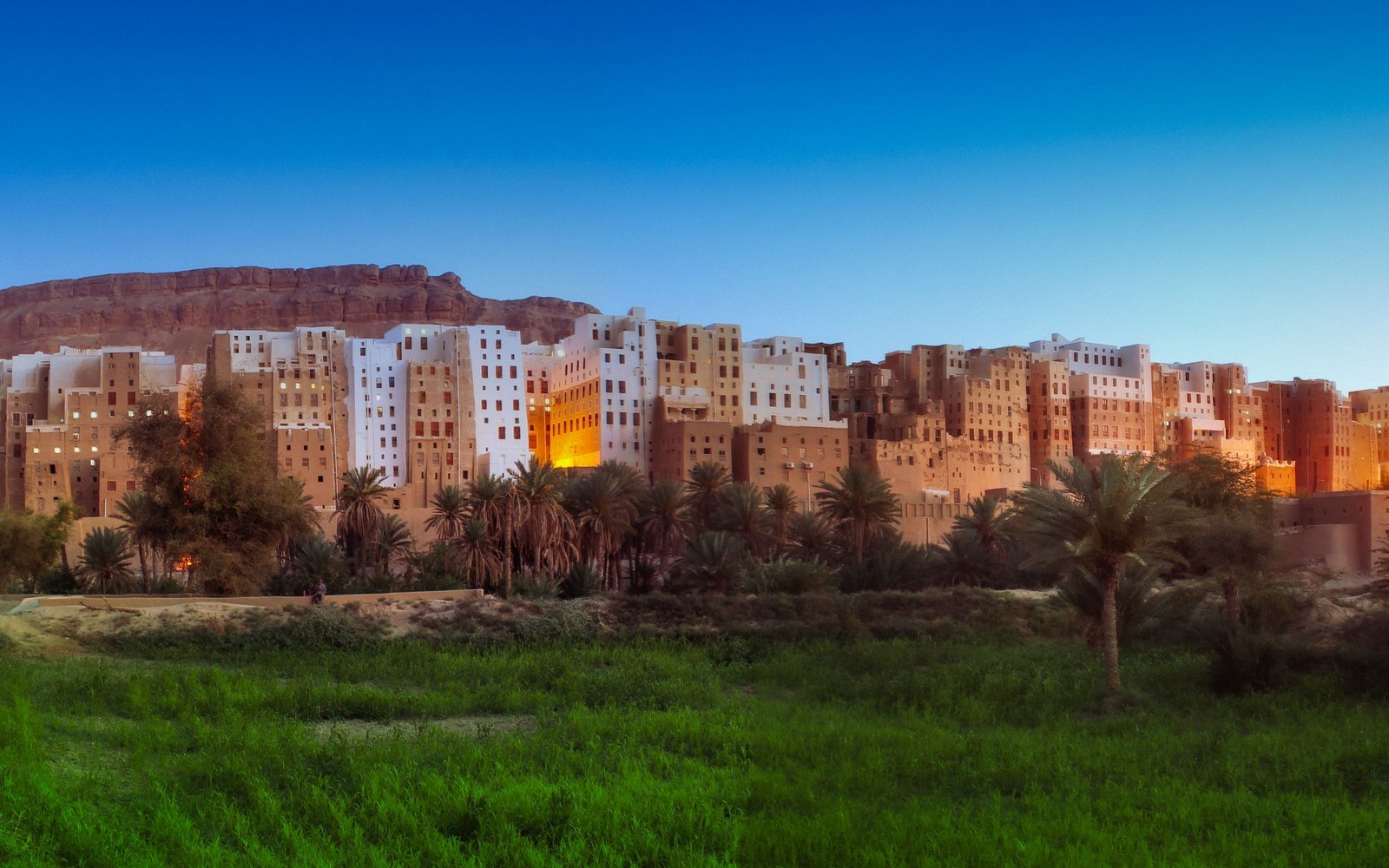
Hans Grundberg told the Council on Thursday that four years of relative calm could be undone in weeks. Members condemned Houthi attacks on Saudi Arabia and on shipping, and pressed Iran to withdraw its support for the group.
The United Nations Special Envoy for Yemen, Hans Grundberg, briefed the Security Council on 13 August and put the position in a single sentence: the country today faces a more serious risk of return to large-scale conflict than at any point since the 2022 truce mediated by the United Nations.
He gave the Council his evidence rather than his impression. Fighting has intensified on several fronts at once. Houthi attacks on commercial shipping in the Red Sea and the Gulf of Aden have resumed, and the Council has already condemned them. A missile strike on a vessel two days before the briefing killed several of its crew.
The truce of 2022 was never converted into a settlement. It expired within the year and the fighting stopped anyway, which is why its unravelling is so difficult to arrest by legal means.
How the escalation was built
The sequence the envoy set out begins in July. An unauthorised flight from Tehran bound for Sanaa prompted air strikes on Sanaa International Airport. The Houthis attributed those strikes to Saudi Arabia. The Yemeni government said the runway had been attacked in order to stop the Iranian aircraft landing, which is a different account of the same craters. Missile attacks on Abha airport and on Saudi oil facilities followed.
Each of those is a claim by a party, and each has been reported as such. What is not in dispute is that the tempo has risen and that the incidents are no longer confined to Yemeni territory.
A return to large-scale fighting in Yemen now would come at an unforgiving moment, with Yemen's state institutions fragmented by over a decade of conflict, its economy left with little margin to absorb another shock, and the wider region engulfed by war
Hans Grundberg, United Nations Special Envoy for Yemen, 13 August 2026
What the envoy asked for
Grundberg called for immediate de-escalation, an end to cross-border attacks and to threats against international shipping, and the protection of freedom of navigation in the Red Sea and the Gulf of Aden. He wanted the parties back to a Yemeni-owned political process run with the United Nations.
He was blunt about what would be useful. Four years of calm, he said, can be lost in a few weeks of escalation, and he told the Council he was not asking merely for statements of support: he was asking every member with influence over the parties to use it, and to steer Yemen away from the battlefield and back to the negotiating table.
He also described the truce years, imperfect as they were, as the most sustained respite Yemenis have had since the conflict began, while warning that the calm cannot hold indefinitely without political progress. The economy, he said, has little margin to absorb another shock.
The Council's own position
Members condemned the attacks on Saudi Arabia and on international shipping and warned that the risk of a full relapse is at its highest in four years. The United Kingdom, the United States and Bahrain pressed Iran to end its support for the group and called for the release of United Nations staff and other workers detained by the Houthis.
Kate Foster, the United Kingdom's deputy permanent representative to the United Nations, attributed the escalation to reckless Houthi actions, listing drone and missile strikes on Saudi Arabia, attacks on Red Sea shipping, and violations of Yemeni airspace by Iranian aircraft. Tom Fletcher, the organisation's senior relief co-ordinator, addressed the humanitarian position in the same session.
None of that binds anybody. A Security Council briefing is a warning delivered to the states that could act on it, and its value is measured entirely by what those states do next. On the evidence the envoy presented, the interval in which anything can be done is being measured in weeks.