
World
United States Central Command forms its first multinational attack drone task force in the Middle East
By Staff Writer | 14 August 2026
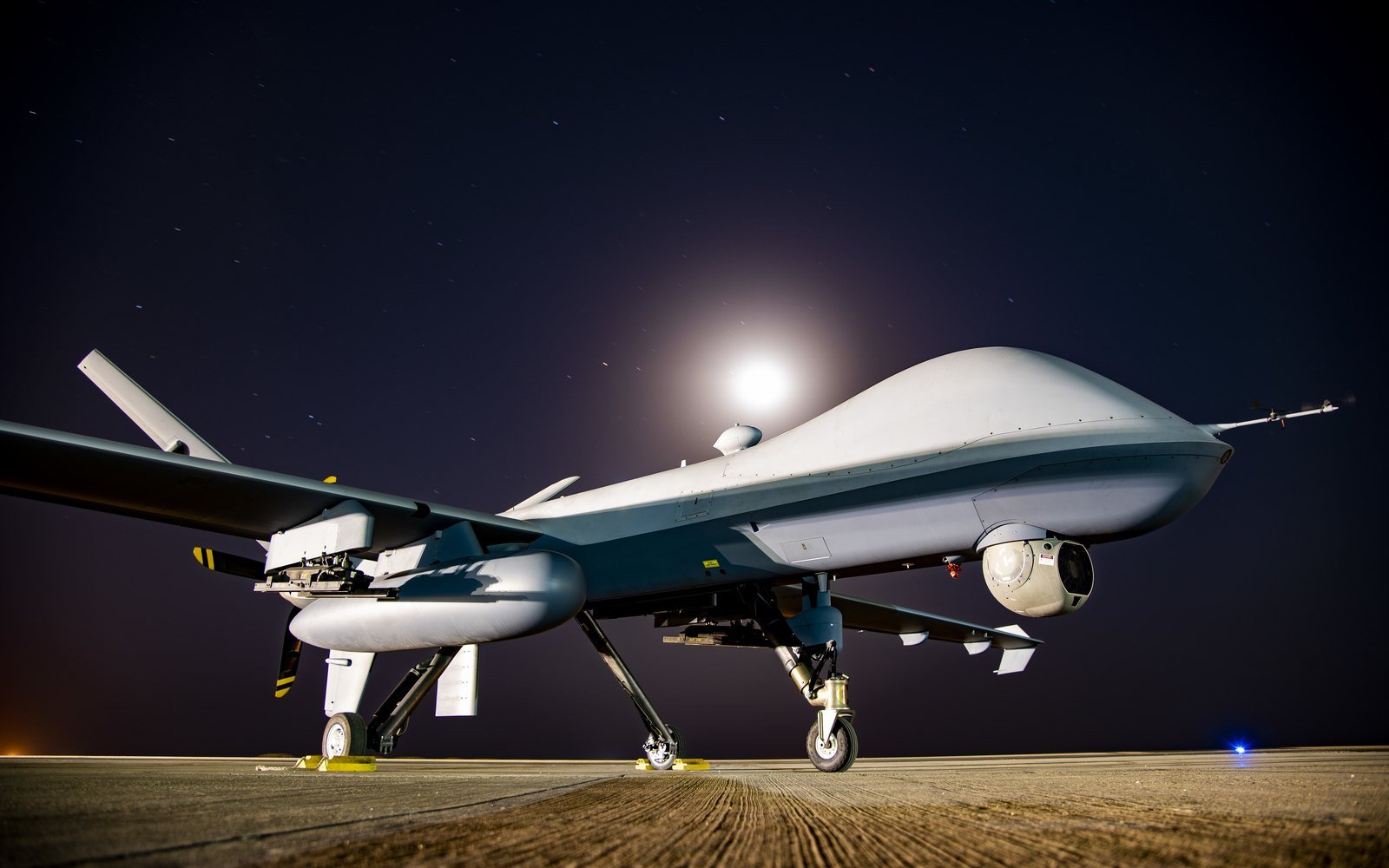
Task Force Falcon Strike will operate one-way attack drones above, on and below the sea, crewed by American personnel and regional partners. It follows a single-nation squadron stood up nine months ago.
United States Central Command announced on Thursday 13 August that it is establishing what it described as the first multinational task force in the Middle East dedicated to attack drones across the air, land and sea domains. The unit is named Task Force Falcon Strike.
Its equipment is one-way attack drones, which detonate on impact and are not recovered, and the command has said the inventory will include systems that operate on the surface, below it and above it. Crews will be drawn from United States military personnel and from regional partners.
The formation is an addition rather than a replacement. Task Force Scorpion Strike, the command's first dedicated one-way attack drone squadron in the region, was stood up nine months ago and remains.
What the commander said
Admiral Brad Cooper, the commander of United States Central Command, framed the new unit as an extension of the older one and gave the reason as the state of the regional supply base rather than any American shortfall.
Task Force Falcon Strike will expand on Scorpion Strike's success given the tremendous innovation happening among our regional allies and partners
Admiral Brad Cooper, commander of United States Central Command
He added that integrating and deploying the new capabilities together would help the command realise, quickly, what he called the possibilities on the horizon, and returned to the partnership point directly: the United States military, he said, has a lot of strong partnerships and friends in the region, and is collectively stronger when it integrates and deploys new capabilities together.
Who is actually in it
Not many, yet. The command is consulting regional partners and will issue formal invitations, and expects the force to widen its drone capability across the region as states join. That is a plan for a task force rather than a task force, and the announcement is candid about it.
Staffing will be led by personnel from United States Special Operations Command Central, the body that launched Scorpion Strike. Continuity of that kind usually means the second unit inherits the first one's methods, which is efficient and also tells partners what they are joining.
The economics of an expendable weapon
A one-way drone is consumed on use. A task force built around them therefore has a consumption rate rather than a maintenance schedule, and its readiness is a question of stock and resupply rather than airframe hours. That is a different proposition for a partner nation than contributing a frigate or an air wing, because the contribution is production capacity as much as it is crews.
It also explains the reference to innovation among regional allies. Several states in the region now build uncrewed systems, and a multinational unit is one way of pooling those production lines under a single operational command without anyone transferring sovereignty over them.
What the announcement does not address is targeting authority: who decides what a Falcon Strike drone is flown into, and under whose rules of engagement, when the crew is from one country and the airframe from another. On past form that question is settled in the joining documents rather than in the launch statement, and the joining documents have not been published.