
Middle East Projects
Dubai Municipality starts an AED 80 million lighting scheme along eight kilometres of the Creek
By Staff Writer | 14 August 2026
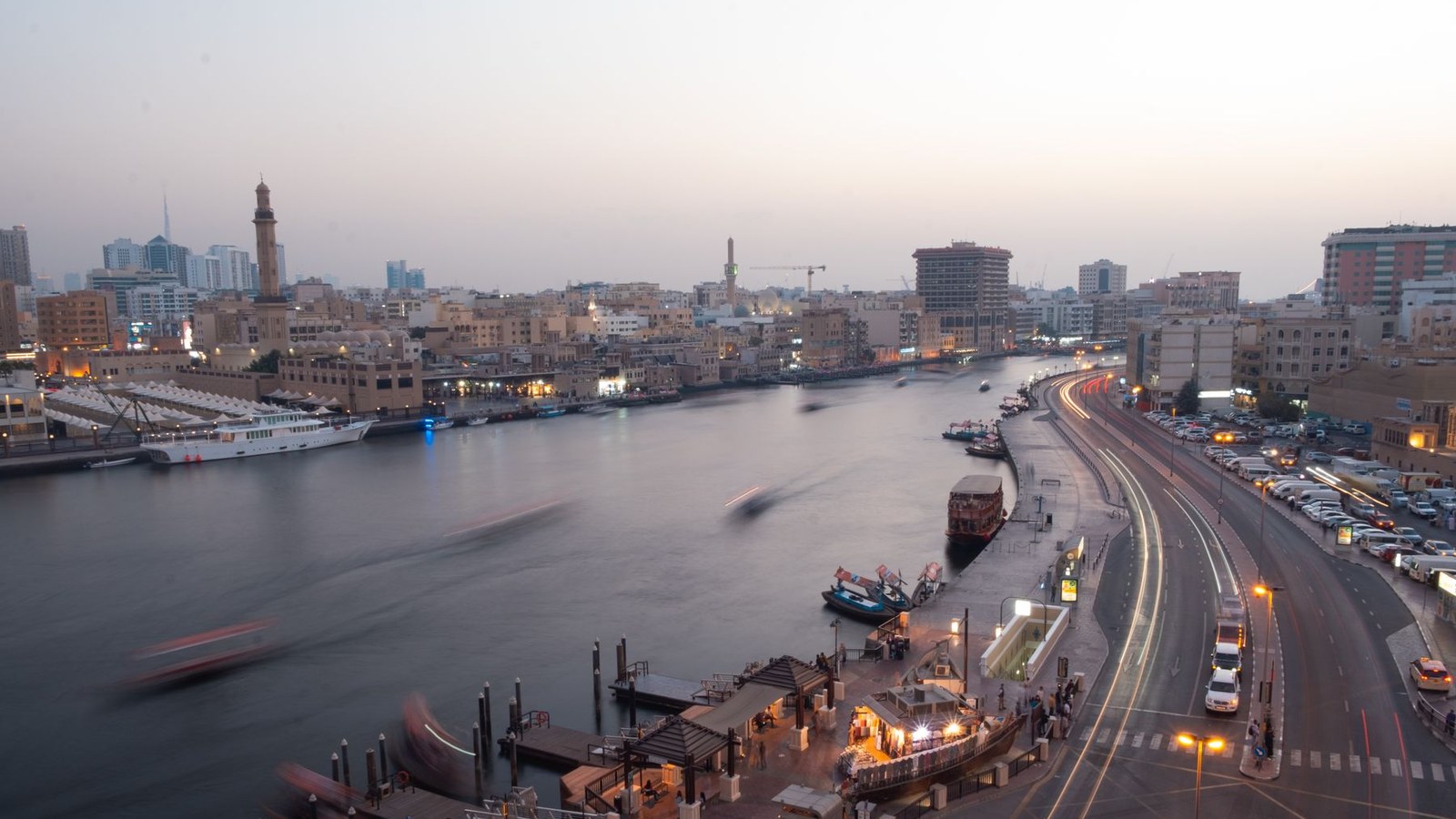
More than 5,000 lighting units will be installed across six sites between Creek Quay and Al Seef Marina, with completion set for the first quarter of 2027.
Dubai Municipality began work on 5 August on the Dubai Creek Lights project, an AED 80 million scheme running along eight kilometres of the Creek. It was launched under the directives of Sheikh Hamdan bin Mohammed bin Rashid Al Maktoum, Crown Prince of Dubai, Deputy Prime Minister and Minister of Defence of the UAE, and Chairman of The Executive Council of Dubai.
The scheme covers six sites: Creek Quay, the Creek Promenade at the Gold Souq, the Creek entrance at Infinity Bridge, Al Shindagha Historic District, Bur Dubai Souq and Al Seef Marina. More than 5,000 lighting units are to be installed, and the municipality states the scheme will be visible from more than 1,500 feet above ground level. Completion is set for the first quarter of 2027.
Dubai Creek Lights is a landmark project that will transform the Creek into an exceptional nighttime destination combining architectural beauty, history and culture. The project will deliver an integrated lighting system using advanced technologies and engineering solutions tailored to the architectural and heritage characteristics of each area.
Bader Anwahi, Chief Executive Officer of the Public Facilities Agency at Dubai Municipality
Six sites, one specification, six sets of constraints
Each area is to carry a lighting design suited to its own character, and the works extend beyond the units themselves to promenade lighting, waterfront walkways, Creek entrances and building facades. The municipality also states that the lighting has been designed to limit its effect on marine life, which puts spill, colour temperature and switching regime into the specification rather than leaving them to the installer.
Two of the six sites, Al Shindagha Historic District and Bur Dubai Souq, are heritage areas. Fixing lighting to historic fabric brings a different set of obligations from fixing it to a new facade: fixing methods, cable routes and the reinstatement standard usually sit with a conservation approval rather than with the main works, and they tend to arrive late. Two more, Creek Quay and Al Seef Marina, are working waterfronts where abras and dhows operate through the day.
Marwan Ahmed bin Ghalita, Director General of Dubai Municipality, said the Creek had served as the emirate's main gateway for trade and commerce and had witnessed defining moments in the city's growth.
What the programme depends on
An eight kilometre linear scheme delivered across six separate sites in roughly eighteen months is a possession and access exercise before it is an electrical one. Every site is publicly accessible, most are commercially active in the evening, and the works are on the ground that the public and the boat operators use. Where possession windows are short and nightly, the contract mechanism that matters is not the lighting specification but the access regime and what happens when a window is lost.
The scheme sits within the Dubai 2040 Urban Master Plan and the Dubai Quality of Life Strategy 2033, and the municipality places it in a wider portfolio of waterfront and public space work. That portfolio is the reason to watch this one closely. The access, heritage and marine constraints on the Creek will be met again on the next waterfront, and the arrangements settled here will be the starting point when they are.
The date to hold is the first quarter of 2027. It is stated, it is public and it is short for the ground being covered.