
UK Construction and Law
Court and tribunal sit together for the first time in a Building Safety Act dispute
By Staff Writer | 12 August 2026
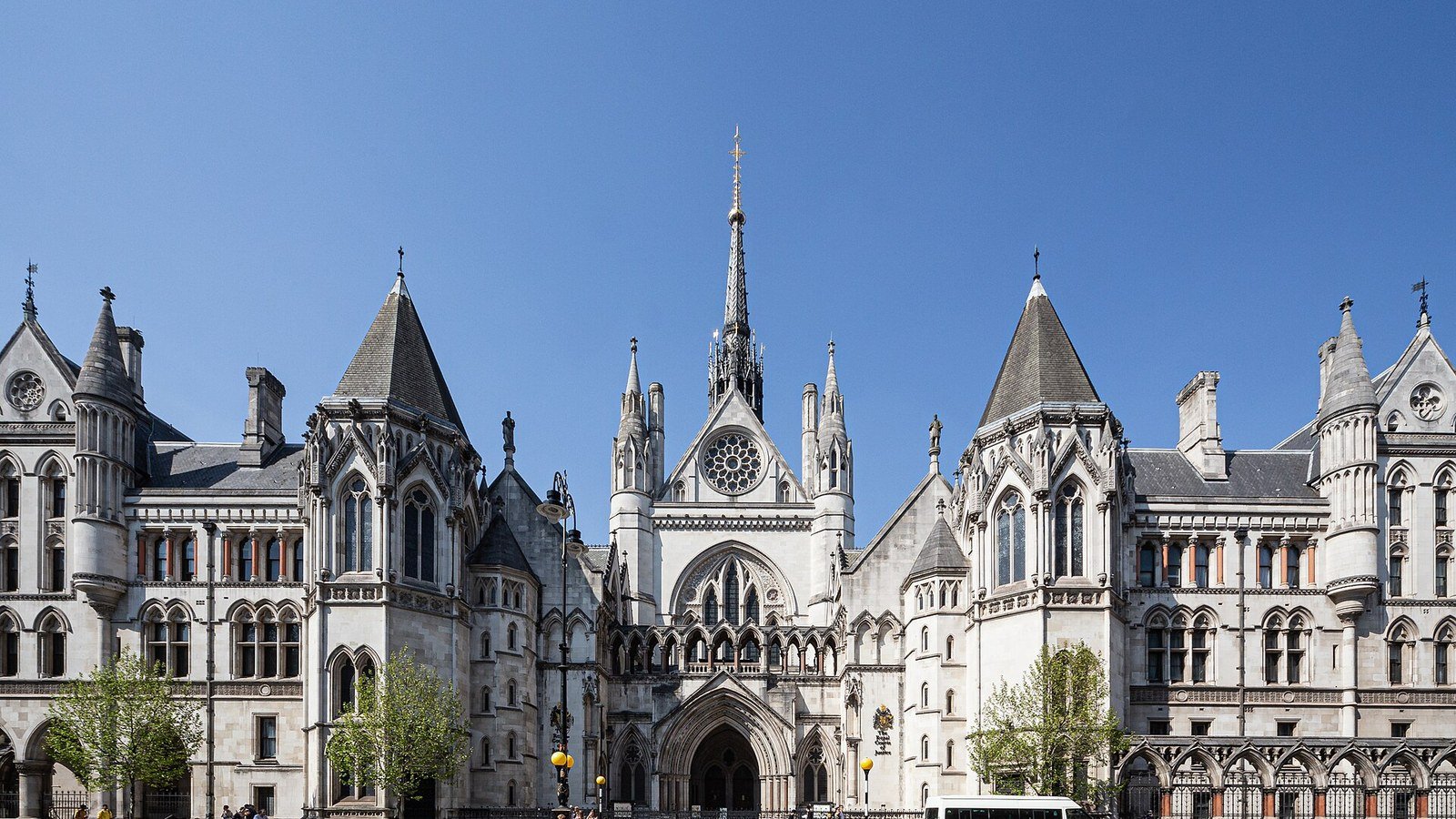
A judge of the Technology and Construction Court and the President of the First-tier Tribunal have heard a joint case management conference over a Croydon block, and set out how the two jurisdictions will run together.
The judgment was handed down on 10 August 2026. It concerns Centrillion Point in Croydon, where remedial works to relevant defects under section 120 of the Building Safety Act 2022 are the subject of a remediation order made by the tribunal in January 2024 against the building owner.
The owner and the contractor who had agreed to carry out the works at its own cost are now fighting on two fronts. The owner has applied to the tribunal for a remediation contribution order under section 124, putting its current estimate at just over £13.5m including VAT. The contractor has sued in the TCC for a declaration that the owner's termination of the remediation agreement was unlawful, and for damages.
Two sets of proceedings about the same defects, in two forums with different rules, different costs regimes and different appeal routes, will now be tried once, before a court and a tribunal sitting together.
Why the two forums had to be joined
The court and the tribunal endorsed the parties' agreed approach because of the substantial overlap of issues and facts between the two sets of proceedings. Running the claims separately risked inconsistent findings, and duplicated disclosure, witness evidence, expert reports and trial costs across both.
This short judgment marks the first joint hearing of the President of the First tier Tribunal (Lands Chamber) and a Judge of the Technology and Construction Court
Mr Justice Constable and Judge Siobhan McGrath
The mechanism is straightforward. A High Court judge is already a judge of the First-tier Tribunal by statute, so no fresh appointment is needed. What is required is the concurrence of the President of the Property Chamber, given here through the order itself.
The judges chose a two-member bench of a TCC judge and a separate tribunal judge for the trial and pre-trial review, while allowing a single judge able to sit in both to handle case management before then. No professional tribunal member was included, because that member could only decide the tribunal proceedings and their views would then have to be isolated from the court's.
The practical points for parties
The order deals with the differences between the regimes one by one. Disclosure is given under Practice Direction 57AD across both sets of proceedings, so no party discloses twice. There is one set of witness statements and one set of expert evidence covering fire engineering, architecture and quantity surveying, all under CPR Part 35. The parties have express permission to use documents, statements and reports from either set of proceedings in the other.
Costs are handled by keeping three separate cost codes: work done solely in the tribunal, work done solely in the court, and work done jointly. The tribunal is essentially a no-costs regime, the TCC is not, so apportionment arguments were expressly left open for the end.
The findings of fact at the joint trial bind all three parties in both sets of proceedings by consent, including the parent company which is a respondent in the tribunal but not a party in the court.
The judges stopped short of endorsing the proposition that the tribunal could not decide the lawfulness of the termination, noting the point was not in dispute and had not been argued. They also noted that the TCC proceedings do not fall within the definition of Building Safety Act proceedings in the new section 9 of the TCC Guide, and that the Guide is likely to be widened.
The cost of the arrangement is time. The earliest the trial could be ready was October 2027, and the court can presently only list three-week trials from January 2028. A January 2028 fixture has been set, with a second listing in October 2027 that survives only if earlier cases settle. Anyone with parallel remediation claims should assume that a joint trial buys consistency at the price of the calendar.