
UK Case Law
A landlord is liable for electricity supplied through one bulk meter to a multi-let arcade, the Court of Appeal rules
By Staff Writer | 5 November 2026
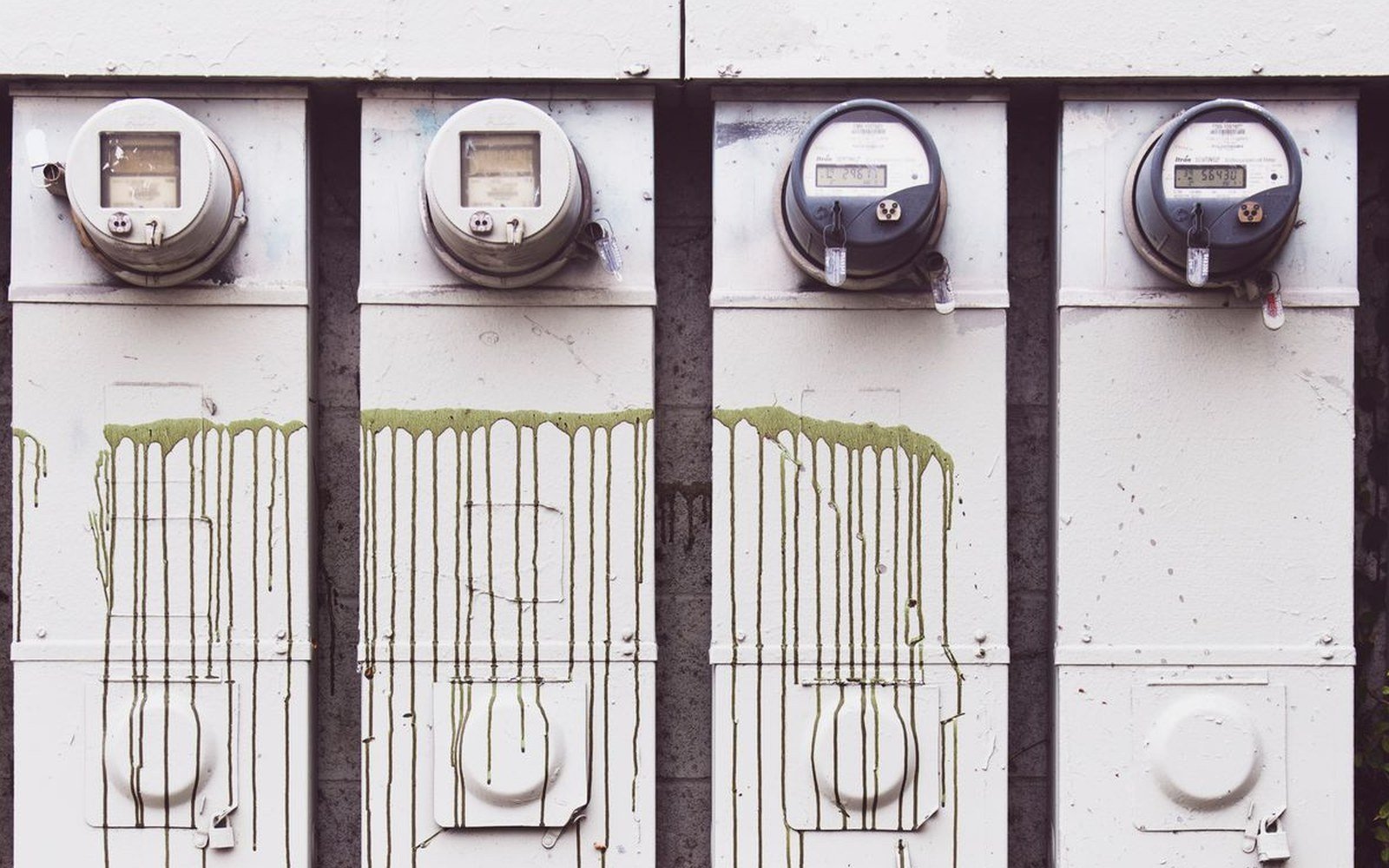
The Court of Appeal has held that where a licensed supplier delivers electricity through a single bulk meter to a building with several occupiers, the premises are unoccupied for the purposes of the deemed contract rules unless one occupier holds the whole, so the owner is liable. A winding-up petition for £106,914.25 against the owner of a Leicester arcade was wrongly dismissed.
SmartestEnergy Business Ltd, a licensed electricity supplier, presented the petition against Odeon Arcade Ltd on 2 April 2024. It claimed charges for electricity supplied between 13 July 2021 and 30 April 2023, together with standing charges, through a bulk meter in a basement beneath the arcade. The supply served three let retail units, the basement and the common parts, including lighting, shutters and fire alarms. Sub-meters downstream of the bulk meter had been fitted, which the court thought were probably installed by a previous owner. Odeon had acquired the arcade on 25 June 2021, and each of the three units was let throughout the period.
Paragraph 3(1) of the Electricity Code in schedule 6 to the Electricity Act 1989 deems a supplier who supplies premises without a contract to have contracted with the occupier, or with the owner if the premises are unoccupied. A deputy insolvency and companies judge dismissed the petition in March 2025 on the basis that the units were occupied by tenants, and Cawson J dismissed the supplier's first appeal in November 2025, holding that describing let premises as unoccupied would do violence to the language.
The court's reasoning
Newey LJ, with whom Falk LJ agreed, read the premises as the whole of the land or building receiving electricity through the bulk meter, not each unit or the spot where the meter sits. He then rejected each of the three possible results that Cawson J had identified if the supplier's reading were not adopted. A single deemed contract making every occupier jointly and severally liable for the whole building's consumption was one Parliament could not have intended, since tenants would be liable for what everyone else had used. An implied term limiting each occupier to its own use could not work where the supplier has only one approved meter and cannot measure consumption by unit.
However, construing the words used in the light of their specific context and purpose, I have concluded that premises are "unoccupied" within the meaning of paragraph 3(1) if there is no single occupier of the entirety.
Lord Justice Newey, Court of Appeal
He considered that an owner can usually be expected to know which parts of a building the bulk meter serves, who occupies them and on what terms, and to put in place arrangements, such as sub-meters, under which occupiers pay for their own use. He added that Odeon would very probably have been liable on the other interpretations as well, because it appeared to occupy the basement where the bulk meter was sited.
Where one bulk meter serves a building with more than one occupier and nobody occupies the whole, the deemed contract for an interim supply is with the owner.
Flats, offices and parks
Fancourt LJ, agreeing, said that blocks of flats, multi-occupied commercial buildings and holiday parks often take a single licensed supply that the landlord then sub-meters or recovers through the service charge. In his view it makes good sense that the landlord, or a new landlord, is deemed liable for any interim supply until a new contract is made, and it would be bizarre for individual occupiers to be jointly liable for the whole supply. The appeal was allowed and the orders below were set aside. Owners and managing agents of multi-let buildings served by one supply point may wish to check that an express supply contract is in place, and how the cost is passed on, whenever ownership or the supply arrangement changes.