
UK Policy and Regulation
The Energy Independence Bill would require developers to offer communities up to a 20 per cent stake in new renewable projects
By Staff Writer | 5 November 2026
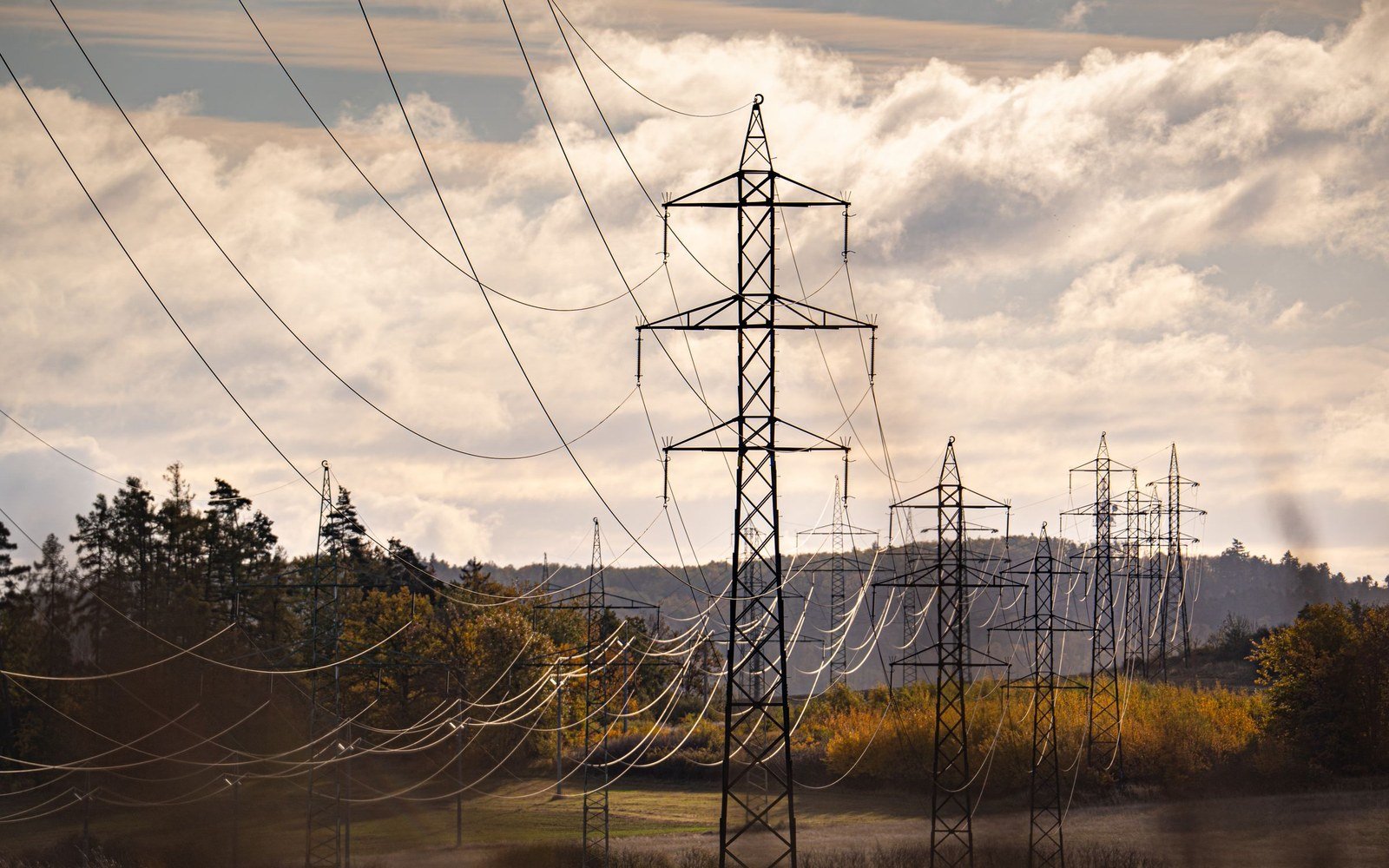
The government introduced the Energy Independence Bill to Parliament on 4 November 2026. It would require developers to offer local communities a stake in new renewable projects, give local authorities fines of up to £30,000 against landlords who fail energy efficiency standards, and end licences to explore new oil and gas fields in the North Sea.
The Department for Energy Security and Net Zero describes the Bill as the first step in a wider overhaul of the energy system, with affordability placed at its centre. The government has said that it will bring forward amendments to support its plan to scrap standing charges on household gas bills, which would give around 23 million households more control over their energy costs. It expects around 60 per cent of gas account holders to save an average of £45 a year as a result.
The Bill would also place on a lasting legal footing, for the period to March 2029, the decision to move 75 per cent of domestic Renewables Obligation costs from energy bills to public spending. The department says that change has already removed around £90 a year from average household bills, but that the present powers have to be renewed every six months.
What it means for projects and the grid
For those who promote, design and build energy infrastructure, the more direct changes relate to who shares in a project and how quickly it connects. Developers would be required to offer communities up to a 20 per cent stake in new renewable projects, alongside mandatory community benefits. The government will establish the publicly owned Great British Grid in law through an amendment to be tabled later, together with reforms intended to speed up electricity infrastructure and to help homes and businesses connect faster.
The Bill would establish the Warm Homes Agency in law to help families improve their homes and cut heating costs. Local authorities would gain stronger powers against landlords who fail to meet energy efficiency standards, including fines of up to £30,000. The government links that measure to a saving of around £210 a year by 2030 for households in upgraded rented homes. Ofgem would receive stronger duties and enforcement powers, and energy brokers would be brought under regulation, which the department expects to save businesses around £100 million a year.
Today is a first downpayment on fixing a broken system, protecting consumers from unfair costs and putting the public back in control.
Miatta Fahnbulleh, Energy Secretary
Developers of new renewable projects would have to offer the local community up to a 20 per cent stake, in addition to mandatory community benefits.
The North Sea
The Bill gives effect to the manifesto commitment that no new licences will be issued to explore new oil and gas fields in the North Sea, while production from existing licensed areas continues. New Transitional Energy Certificates would allow further production in areas already explored, including through existing infrastructure, and the government estimates that this could unlock around 60 million barrels of oil. It points to the £2 billion Energy Wealth Fund and the North Sea Jobs Service as support for workers during the transition.
Prime Minister Andy Burnham said that the Bill would protect people when energy companies let them down, give communities a stake in the power produced on their doorstep and build more cheap, green power at home. The measures now go before Parliament, and the grid and standing charge provisions will depend on amendments that the government has said it will table during the passage of the Bill.