
World News
Hungary expels ten Russian diplomats for activities it says breach the Vienna Convention, and Moscow promises a response
By Staff Writer | 9 September 2026
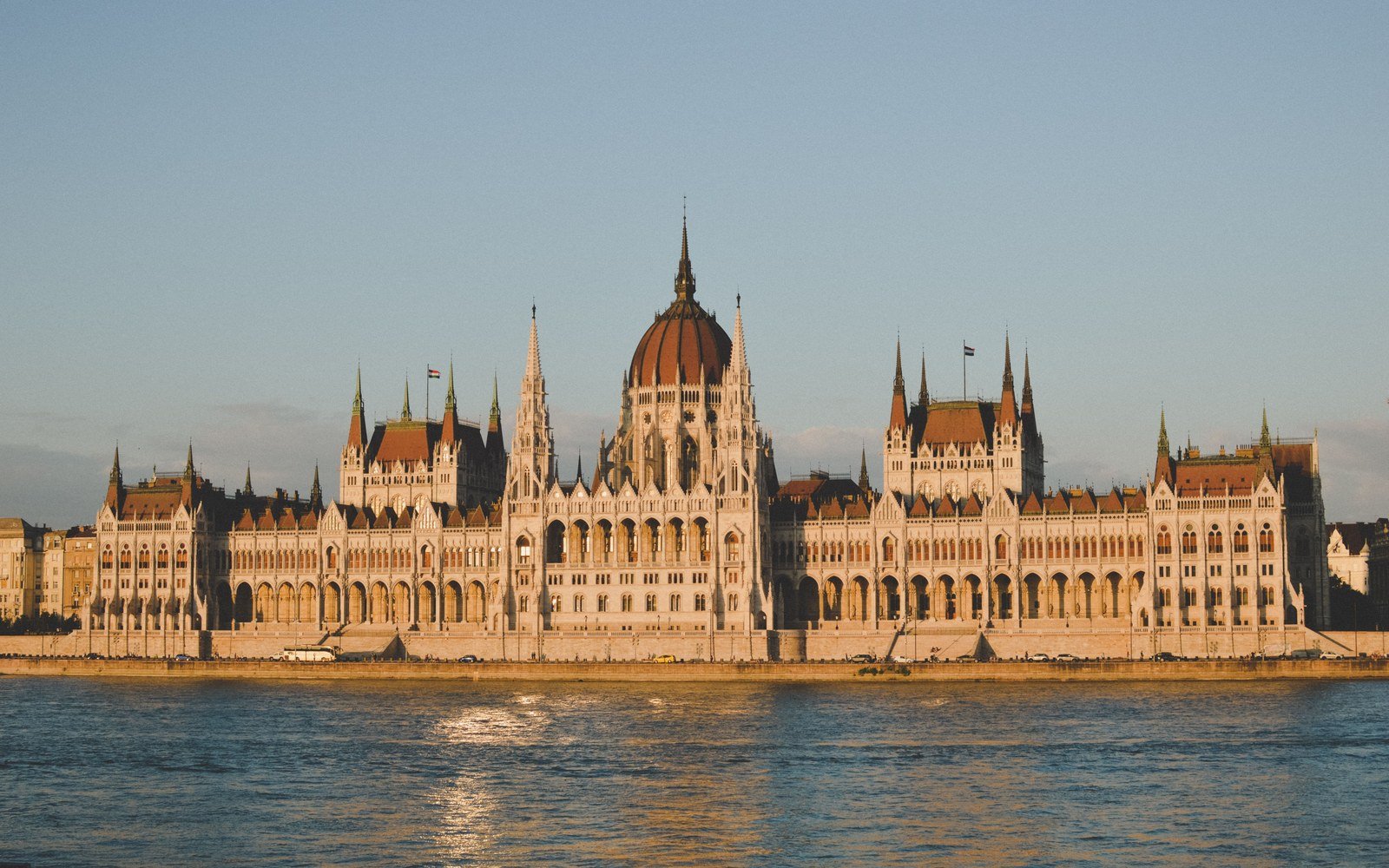
The Foreign Minister said the Russian ambassador was told that ten members of his mission had engaged in activities unacceptable for diplomats, and that the decision does not mean breaking off relations. The Commission called it a legitimate decision. Romania and Moldova announced arrests on the same day.
Hungary ordered ten members of Russia's diplomatic mission in Budapest to leave the country on Tuesday. The Foreign Minister, Anita Orban, said the Russian ambassador had been informed that, according to the assessment of the Hungarian authorities, ten members of the Russian mission had engaged in activities in Hungary that are unacceptable for diplomats under the Vienna Convention, the treaty that governs the conduct of diplomatic missions. She did not say what the activities were or how long the ten have to leave.
This decision protects Hungary's security and sovereignty
Anita Orban, Deputy Prime Minister and Foreign Minister of Hungary
In a written statement she said the decision did not imply breaking off diplomatic relations with Russia, and that Hungary intended to continue the necessary dialogue, based on mutual respect and adherence to the rules. Russia's Foreign Ministry told the state agency RIA Novosti that it would provide an appropriate response, without saying what.
A change of government, and of direction
The expulsions come months after Peter Magyar was sworn in as Prime Minister on a promise to dismantle the structures left by his predecessor, Viktor Orban, who governed Hungary for 16 years and lost the election last April. Mr Orban, who is not related to the Foreign Minister, kept close relations with Moscow through the war in Ukraine, repeatedly held up or blocked EU sanctions on Russia and pursued energy deals with it. Many EU member states expelled Russian diplomats after the full-scale invasion of Ukraine in 2022; Hungary did not, until Tuesday.
we take note of Hungary's legitimate decision
Christian Wigand, spokesperson for the European Commission
Mr Wigand said the decision was an expected reaction to what he called Russia's persistent campaign of hybrid attacks against the EU and its member states, and that the Commission would continue to coordinate closely. European governments have made a series of such allegations, including sabotage, election interference and an attempted attack at a German airport; the German government last week attributed an August attempt at Leipzig/Halle Airport, using a drone carrying explosives, to Russia. Russia has repeatedly denied that it is trying to destabilise European countries.
Two arrests on the same day
Romania's anti-organised crime agency, DIICOT, said on Tuesday that it had detained a 40-year-old Russian citizen suspected of spying for Moscow between February and July this year. It said the suspect had taken and sent photographs of Romanian and NATO equipment and of the movement of military personnel in several counties. The Romanian intelligence service, SRI, said the man had been instructed by an intermediary to photograph and film targets of strategic military interest, including Ukrainian Antonov cargo aircraft on Romanian territory, and that the case followed a pattern seen elsewhere in Europe.
Moldovan police said the same day that a 49-year-old man originally from Azerbaijan had been detained on suspicion of collecting information for Russian intelligence services, targeting military sites and some American facilities in Moldova, and that the information was to be passed to a person believed to be from Russian special services. He has been placed in pre-trial detention for 30 days.
Ten expulsions from a mission is a large number for a small country, and the more telling fact is the one Ms Orban put first: the decision was taken on the assessment of Hungary's own authorities. For four years Budapest was the capital where that assessment was not acted on. It has now joined the others, and Moscow's reply will show what it thinks the change is worth.