
World News
China's exports rise 25 per cent in August and the monthly surplus reaches 119 billion dollars ahead of the Xi visit to Washington
By Staff Writer | 9 September 2026
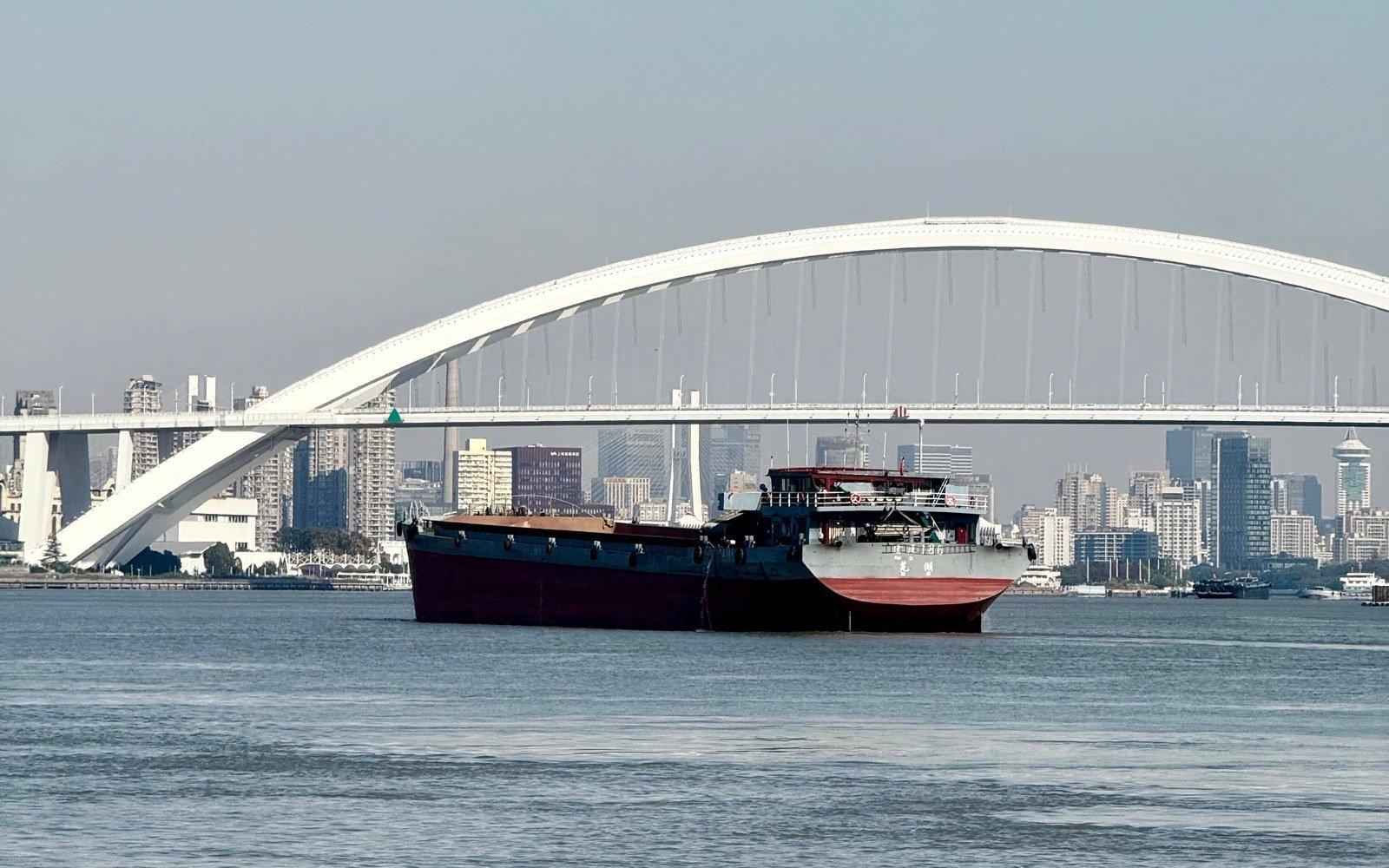
Customs figures show exports up 25 per cent on a year earlier and imports up 28.2 per cent, with shipments to the United States up 34.4 per cent, car exports up 43 per cent and semiconductor exports up 129.8 per cent. The surplus widened from 112.5 billion dollars in July. Beijing says it has never pursued a surplus; the other 19 members of the G20 say the imbalance must be addressed.
China's exports rose 25 per cent in August from a year earlier, its customs administration said on Tuesday, quickening from 23.9 per cent in July, on demand for cars and high-technology goods. Imports rose 28.2 per cent, from 27.5 per cent in July, short of the 30 per cent that economists polled ahead of the release had expected. The trade surplus widened to 119.1 billion dollars from 112.5 billion in July. For the whole of 2025 the surplus was a record 1.2 trillion dollars.
The figures by destination show where the growth is. Exports to the United States were 42.5 billion dollars in August, up 34.4 per cent, a rise that partly reflects a low base after United States tariffs pushed shipments down a year earlier; imports from the United States were 13.3 billion dollars, so China's bilateral surplus was about 29.2 billion on Chinese data. Exports to the European Union rose 6.6 per cent, to South East Asia 30.2 per cent and to Latin America 17.5 per cent. By product, car exports rose 43 per cent and semiconductor exports 129.8 per cent. Exports of electric vehicles, industrial machinery and chips have led the growth in recent months.
China continues to rely on exporters to support the economy
Zhiwei Zhang, president and chief economist at Pinpoint Asset Management
Trade abroad, demand at home
Exports have become the main driver of growth while consumption and investment remain weak after the long downturn in property. Growth slowed to 4.3 per cent in the second quarter, the lowest in more than three years, against a target range of 4.5 to 5 per cent for the year. Data last month showed domestic demand and investment weakening further in July and manufacturing activity contracting for a second month. On Sunday the government said it would inject about 54 billion dollars into state-owned banks and insurers. Some economists expect one or two interest rate cuts before the end of the year. The offshore yuan barely moved after the release, at 6.7099 to the dollar; it has strengthened 3.8 per cent against the dollar this year.
China has moved aggressively up the value chain and has become a major player in AI infrastructure and industrial automation
Chi Lo, senior market strategist for Asia Pacific at BNP Paribas Asset Management
The argument with the other nineteen
At the recent meeting of Group of 20 finance officials in Asheville, North Carolina, 19 members agreed to address economic imbalances of this kind; China was the one dissenter, after the United States Treasury Secretary, Scott Bessent, described its surplus as a barrier to global growth. Beijing called the complaints an excuse to pressure and restrict China. The Governor of the People's Bank of China, Pan Gongsheng, said in a speech at the meeting that China had never actively pursued a trade surplus and had not depreciated its currency to gain competitiveness, and that its market would remain open to foreign business.
The release comes ahead of a visit by President Xi Jinping to Washington to meet President Donald Trump, expected in late September, for which Beijing has not yet confirmed a date; trade is expected to be among the main subjects. Mr Lo said the strategic stalemate between the two countries was likely to remain, with each side withholding something the other wants, high-end technology in one direction and rare earths in the other. China and the EU are also due to hold ministerial trade talks in the autumn; the EU, which runs a deficit with China of roughly a billion euros a day, introduced measures in July to protect its steel industry and has limited tax-exempt imports of small e-commerce parcels.
For anyone pricing plant, steel or modules on a project this autumn the numbers cut two ways. Chinese factories are shipping more of everything and their currency has barely moved, which holds prices down. The same numbers are the ones the other 19 governments have said they will act on, and the tariffs, steel safeguards and parcel rules already in force are the first instalment.