
World News
Nepal's rescue turns to the tunnels as the toll passes 900
By Staff Writer | 1 September 2026
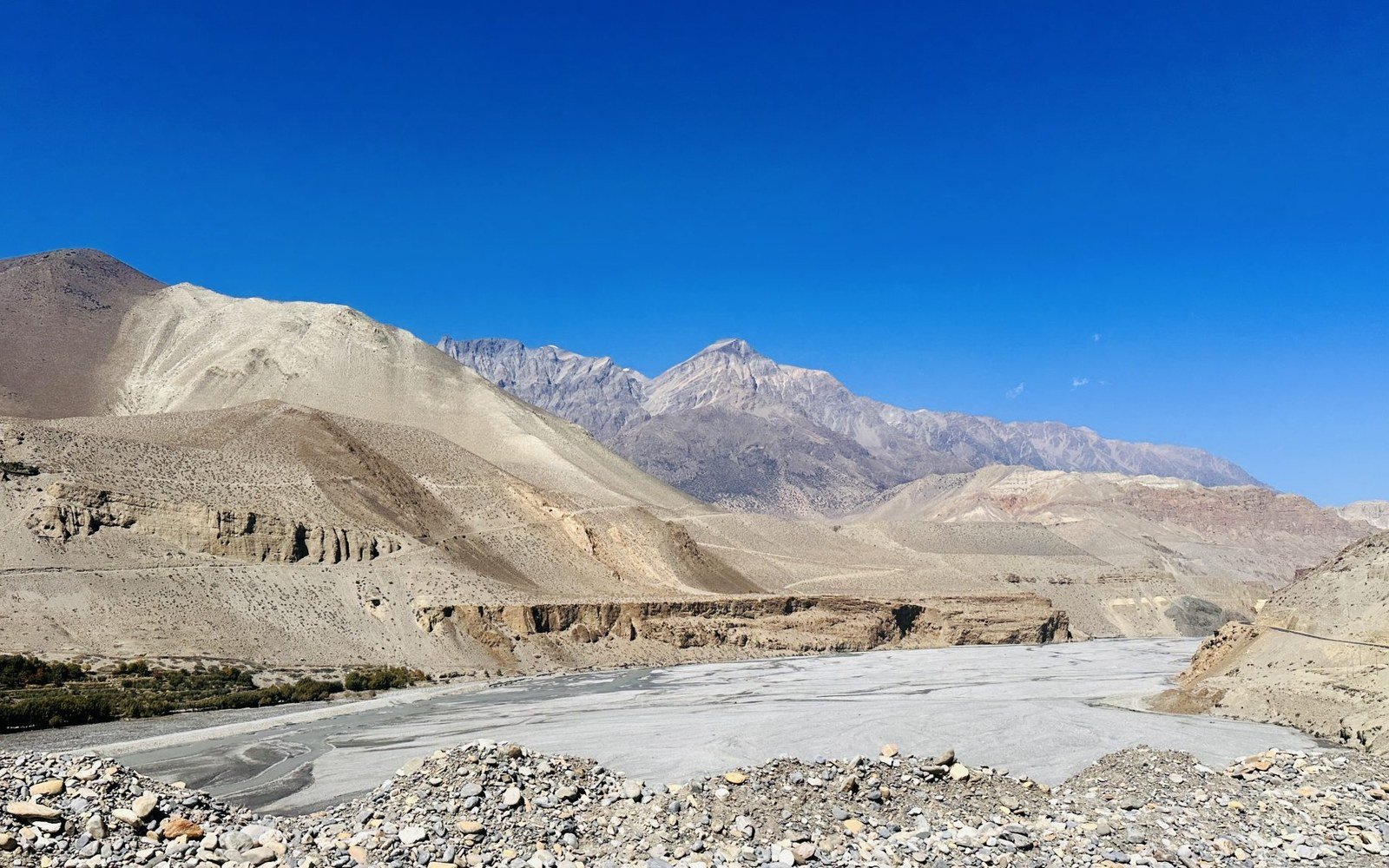
Officials put 933 workers inside eleven hydropower projects. Debris is blocking the headings, tunnel rescue teams have been requested from two neighbours, and the counts of the dead and missing have moved again.
The rescue in Nepal has narrowed to a single problem. Officials in Kathmandu said on Monday that the first task was reaching 933 workers believed to be trapped across eleven hydropower projects, many of them working in tunnels in the badly hit districts of Rasuwa and Nuwakot. One account puts about 500 of them inside tunnels specifically. Earth-moving plant is working through mud and rock in the dark at the portals.
A large amount of debris has been deposited, and that is posing us a big challenge to open the tunnels
Raja Ram Basnet, spokesman for the Nepalese army
Basnet said the main focus was on opening the tunnels. Nepal has said it does not need foreign help with general search and rescue, but has asked India and China for their tunnel rescue expertise, which is a narrow and specific request and a fair measure of how the problem is understood on the ground.
The counts moved during the day
The tolls carried on Monday do not agree and are given here as the separate counts they are. Nepali authorities put the dead at 903. A later account the same day gave 919 and described that figure as covering Nepal and China together, which may not be counting the same thing. The missing were put at nearly 5,000 on one account, nearly 4,800 on another and above 4,700 on a third. Nepal's foreign ministry is reported as saying at least 590 of the missing are foreign nationals from 39 countries. On the Chinese side of the border, authorities are reported to have recorded 16 deaths in Gyirong County with 546 still missing.
unprecedented and devastating natural disaster
Balendra Shah, Prime Minister of Nepal
Shah, who used those words of the flood, has also said that compiling a complete assessment of the damage remains a challenge, which after five days is itself a statement about the scale of it.
Why the tunnels are where the people are
Nepal has built hydropower quickly, and in that terrain the schemes are largely run-of-river: water is taken from high up a valley and carried through a headrace tunnel driven under the mountain to a powerhouse further down, where the accumulated head is used. The tunnel is the works. It is also where the workforce is concentrated, underground, in a confined space with one or two ways out, which is why a flood on the surface of a valley becomes an entrapment problem rather than an evacuation problem.
The obstruction being described is deposited material at the portals and in the headings, not a structural collapse of the linings, at least on what has been said publicly so far. That distinction decides the method. Clearing deposited debris is a matter of plant, access and time, and time is the variable nobody controls: rescue work has been suspended repeatedly since Friday for weather, and because a lake formed across the border by the disaster has begun overflowing into Nepal's rivers and could flood again.
No party quoted has said how many people have been brought out of any tunnel alive. Until that figure exists, the count of workers inside is the only number that describes the operation, and it has not moved.