
UK Construction and Law
Building a highway feature creates a duty of care, but a foreseeable risk is not by itself a breach
By Staff Writer | 1 September 2026
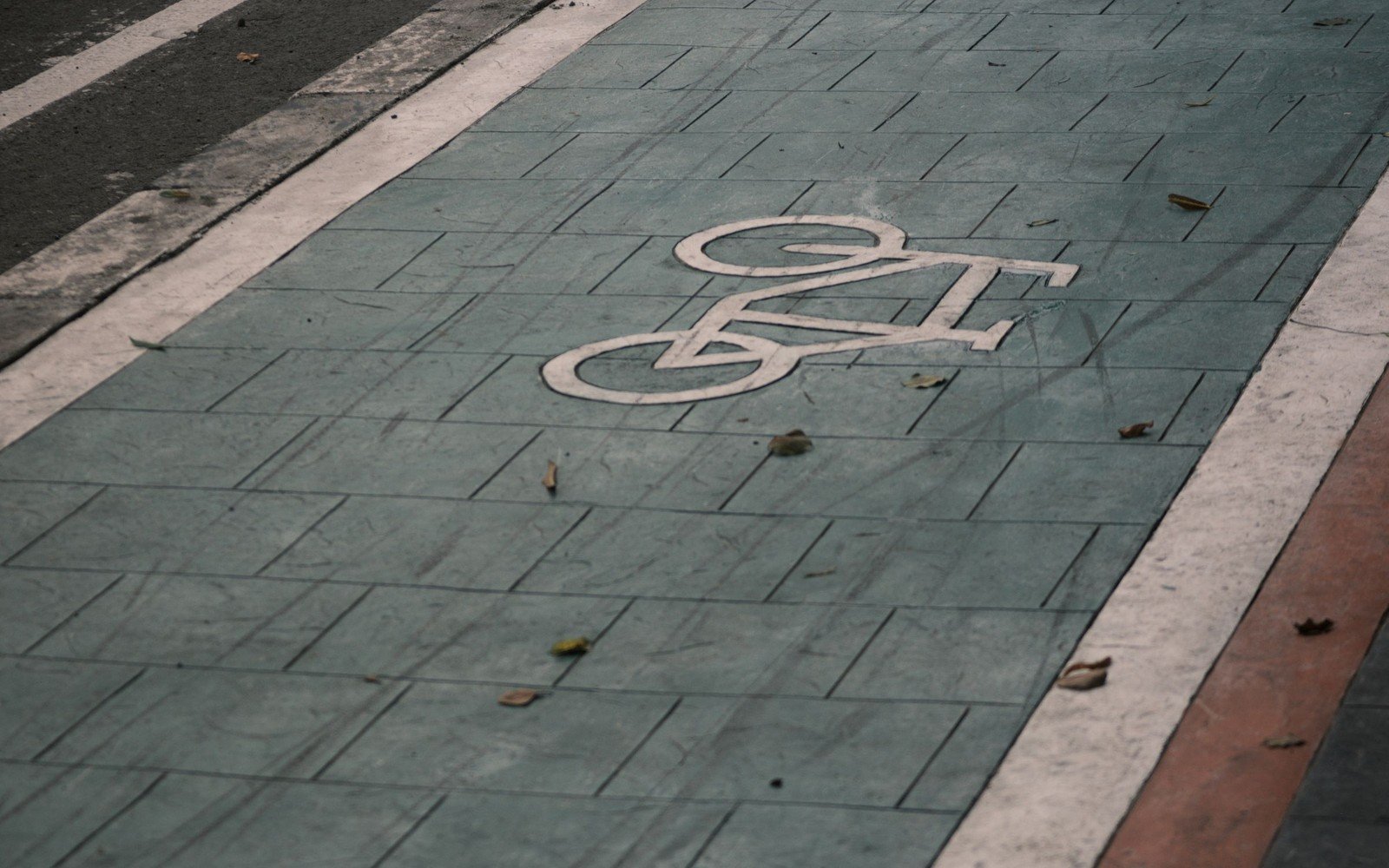
Two cyclists were injured when they mistook a 5 to 6 centimetre kerb on a stepped cycle track for a painted line. The county court held the authority liable for not installing a row of wands along the kerb. The Court of Appeal has set that aside, holding the judge moved from foreseeability straight to breach without carrying out the evaluative assessment the law requires.
Anyone who designs or builds something in the public realm inherits a question that will not go away: how far must a designer go to protect users from their own mistakes? A judgment handed down on 18 August answers it in a way that will be read well beyond cycling infrastructure.
The feature was a stepped cycle track on Farringdon Road, part of Cycle Superhighway 6. It sat below the pavement and above the carriageway, so a kerb ran on either side. The kerb dividing it from the traffic lane was pale stone with a vertical upstand of about 5 to 6 centimetres. Track and carriageway were both surfaced in black tarmac and looked much alike. Two experienced cyclists, months apart, took the kerb for a white line, rode into it and came off.
What the trial judge decided
The claims were tried together. The judge found the authority liable in each case, on the footing that it had created a reasonably foreseeable risk of injury and could have taken measures to remove it. The measure he settled on was a row of wands along the kerb, forming a barrier no cyclist could mistake. He reduced the awards for contributory negligence by 65 per cent in one case and 70 per cent in the other, which tells its own story about where he thought the fault mainly lay.
The appeal was moved up to the Court of Appeal on the footing that it raised issues of wider importance and a possible tension in the authorities, and because the outcome might affect whether stepped cycle tracks remain viable at all. Neither concern survived argument. The court found the applicable principles straightforward and largely agreed between the parties, and the decision below one made on the facts of one location.
Duty, foreseeability and breach are three questions
On duty the trial judge was upheld. Having created the feature, the authority owed a duty of reasonable care to all road users, and that duty was not confined to careful ones. Where the reasoning came apart was in what followed.
the appellant owed a duty of reasonable care because it had created the relevant highway feature, but that duty did not require it to take action to protect cyclists against every foreseeable risk arising from error or confusion. The judge was required to decide, by reference to all the relevant circumstances, whether the risk was such that reasonable care required further mitigation. He did not conduct that evaluative exercise adequately.
Lady Justice Yip
The judge had returned repeatedly to foreseeability while addressing breach, and had described the standard of care as requiring steps to reduce the risk so that it was no longer reasonably foreseeable. That, the court held, was the wrong test. Identifying a foreseeable risk and one available precaution is not the same as deciding that reasonable care demanded that precaution.
The factors that had to be weighed were listed: the scale of the risk against the volume of use, the design purpose of the track, the guidance that applied, what the earlier safety audit had considered, the accident history, and the practicality, effectiveness and consequences of the wands themselves. A barrier has its own safety implications, and none of that was worked through.
Where this lands for designers
The judgment does not say that concerns raised in a safety audit are immaterial. It says the opposite: such concerns may be powerful evidence that a risk was foreseeable and that the design called for scrutiny. What it refuses to do is convert an audit note plus an available precaution into liability without the intervening assessment.
Both appeals were allowed, the findings of liability set aside and both claims remitted for a fresh hearing before a different judge, with contributory negligence back in play and no preserved findings of fact. The court declined to remake the decision itself, because the assessment depends on the whole of the evidence, and it encouraged the parties to settle, adding that these are ordinary personal injury claims about one particular location rather than a precedent for others.