
World News
A commission has 120 days to choose a site for a United States Space Academy
By Staff Writer | 31 August 2026
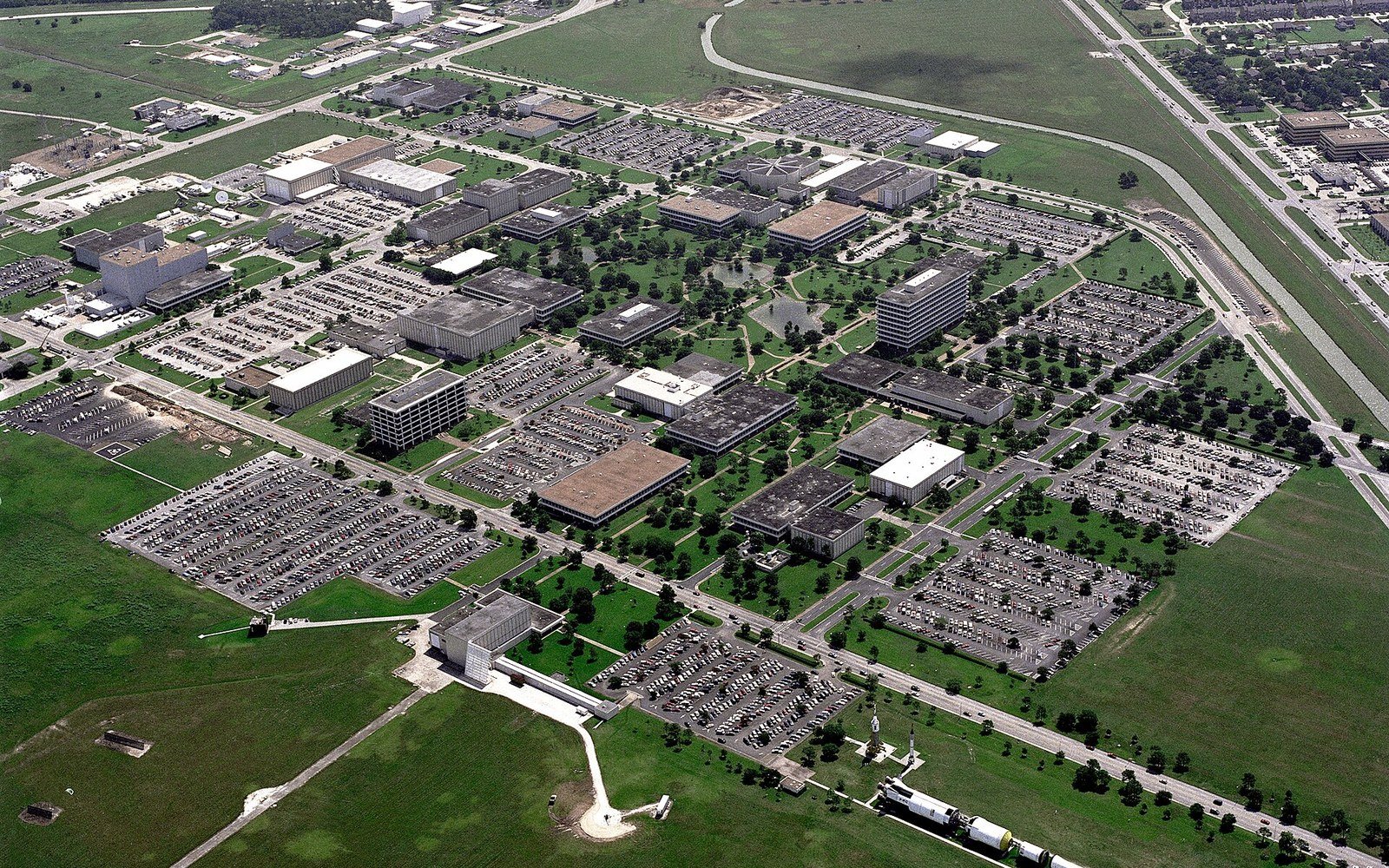
The executive order signed on 28 August creates a presidential commission and gives it four months to report on governance, curriculum, service obligations and the permanent physical location of a new federal academy.
An executive order signed at Johnson Space Center in Houston on Friday 28 August sets up a Presidential Commission on the United States Space Academy and gives it 120 days to tell the President how such an institution should be built. The academy itself does not yet exist. What exists is a commission, a deadline and a list of nine questions it has to answer.
The order describes the proposed academy as a federal academy led by NASA, combining technical education with leadership development, discipline and a commitment to public service. The Administrator of NASA chairs the commission and the Deputy Administrator is its executive director. The Assistant to the President for Science and Technology and the Assistant to the President for Economic Policy are vice chairs, and the membership also takes in, in the order's own words, the Secretary of War, the Assistant to the President and Chief of Staff, the Director of the Office of Management and Budget, the Assistant to the President for National Security Affairs and the Secretary of the Air Force, or their designees.
Given the rapid growth of the U.S. Space Force and commercial space industry, and the expansion of our ambitions to the Moon and far beyond the Moon, it's clear we will need to educate and train an entire generation of skilled service members, engineers, and civil operators
Donald Trump, President of the United States
What the report has to settle
The nine heads set out in the order are a governance framework, including whether the academy sits inside NASA; an academic and leadership curriculum with degree programmes and experiential training; service obligations for graduates, in the armed forces and in civilian federal service; prerequisites for applicants, including citizenship, security clearances and employment or military status; the process for selecting the permanent physical location; administrative steps available under existing authorities, including pilot programmes and partnerships; the legislation that would be needed; coordination with federal education programmes already running; and an implementation strategy with timelines and sequencing.
The fifth of those is the one with a site behind it. The order does not name a location and does not choose between candidates; it makes the selection process itself something the commission has to design and report on, and it ties that process to whichever governance framework is chosen. No campus, no budget and no opening date appear anywhere in the text.
I have no doubt that so much of the future talent that will graduate and contribute to these exciting endeavors will be educated at the United States Space Academy
Jared Isaacman, Administrator of NASA
What is not in the order
There is no money in it. The order states that it is to be implemented consistent with applicable law and subject to the availability of appropriations, and that the cost of publishing the order itself falls to NASA. It also states in terms that it creates no right or benefit enforceable against the United States or its agencies. Implementation by the Administrator of NASA follows only after the President approves the recommendations and after any necessary legislative action.
That last sequence is the part worth holding on to. A federal service academy of the kind described, with degree awarding accreditation and service obligations attached to graduation, has historically needed an Act of Congress behind it, and the order says as much by asking the commission which legislative actions are necessary. The commission reports around the end of December. Anyone reading this as a construction programme should note that the order does not yet commission a building; it commissions the decision about where one might go.