
World News
Washington takes majority control of 65 billion barrels of Venezuelan oil
By Staff Writer | 30 August 2026
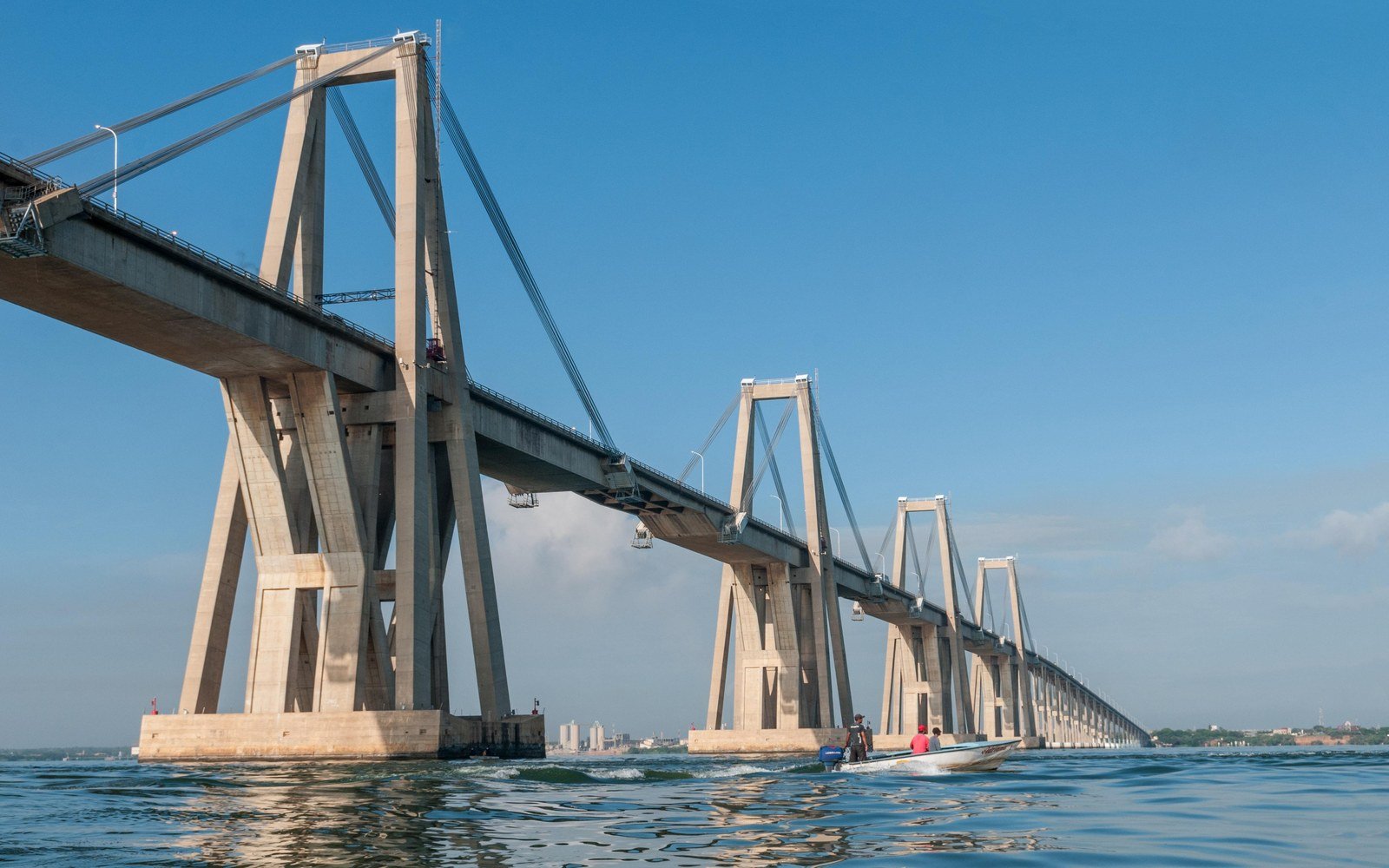
The arrangement covers 17 fields and hands the United States 55 per cent of the output of a new private company, together with the right to buy crude at cost. Production will take years to lift.
The United States announced on Friday evening that it had secured majority control of the output of more than 65 billion barrels of proven Venezuelan oil reserves. The President of the United States, Donald Trump, set the terms out in a social media post, writing that the arrangement had been negotiated by the Secretary of State, Marco Rubio, and by Pete Hegseth, working with Venezuela's acting President, Delcy Rodriguez. He described it as the biggest oil deal in world history.
The mechanism is a new private company, formed in partnership with an operator in Venezuela that neither government has named. An official in Washington, speaking on condition that he was not identified, said the company had been granted development rights over the fields for 100 years, and that the United States holds 55 per cent of its effective output through a combination of an equity stake and the right to buy crude at cost. The Venezuelan government statement put the fields at 17, the investment it expects at about 100 billion dollars and the tax yield to Caracas at more than 209 billion dollars.
Our goal is to move toward consolidating our position as an energy-producing power, putting our immense reserves at the service of national development, job creation, increased income for our workers, and the well-being of our people
Delcy Rodriguez, acting President of Venezuela
What the barrels are for
The crude bought at cost is intended for two destinations. The first is the United States strategic petroleum reserve, which fell below 300 million barrels in early August, down by more than 100 million barrels since the start of the year and at its smallest since the early 1980s. The second is military supply. The average price of a gallon of petrol in the United States stood at 4.09 dollars on Friday, against 3.21 dollars at the same point last year, and a conflict that has interrupted about a fifth of world oil supply for six months has kept it there.
For the Venezuelan people, this deal will bring nearly $100 billion in private investment, support thousands of high-paying jobs, and drive the reconstruction of Venezuela's economy
Marco Rubio, United States Secretary of State
Reserves in the ground are not barrels at a refinery. Venezuela holds an estimated 303 billion barrels, about 17 per cent of world supply, and produces about 1 per cent of world oil. The gap between those two numbers is pipework, pumps, power and people, and it is measured in years and in billions of dollars of capital spending.
The distance between the announcement and the pump
Nothing in the arrangement moves a barrel this month. Venezuelan production capacity has been run down over two decades and the infrastructure needed to lift it has to be repaired and extended before the reserves behind it matter. Nine months ago the United States military removed the then President of Venezuela, Nicolas Maduro, and brought him to face federal charges in New York, to which he has pleaded not guilty. Shortly afterwards oil executives invited to the White House were open about the opportunity and cautious about the country, and the head of the largest American oil company said at the time that he regarded it as un-investable.
Since taking office, Rodriguez has signed a law opening the oil sector to private ownership, reversing a position her predecessors had held for more than twenty years, and lawmakers approved the change in January. That is the legal foundation the new company rests on. What has not been published is the identity of the operator, the capital structure, the price at which oil will be bought at cost, or the schedule against which the fields are to be developed.
For contractors and suppliers, the interest of the announcement lies in what it implies rather than what it states. A 100 year concession over 17 fields, backed by an expectation of 100 billion dollars of investment, is a construction and engineering programme before it is an energy one, and it is being set up in a country whose contracting environment has been closed to most Western firms since the wave of nationalisations under Hugo Chavez. The terms on which that work is let, and the protections available to those who take it on, have not been described by either government.