
World News
Hungary loses 280 tonnes of fish as Europe's ponds dry out
By Staff Writer | 30 August 2026
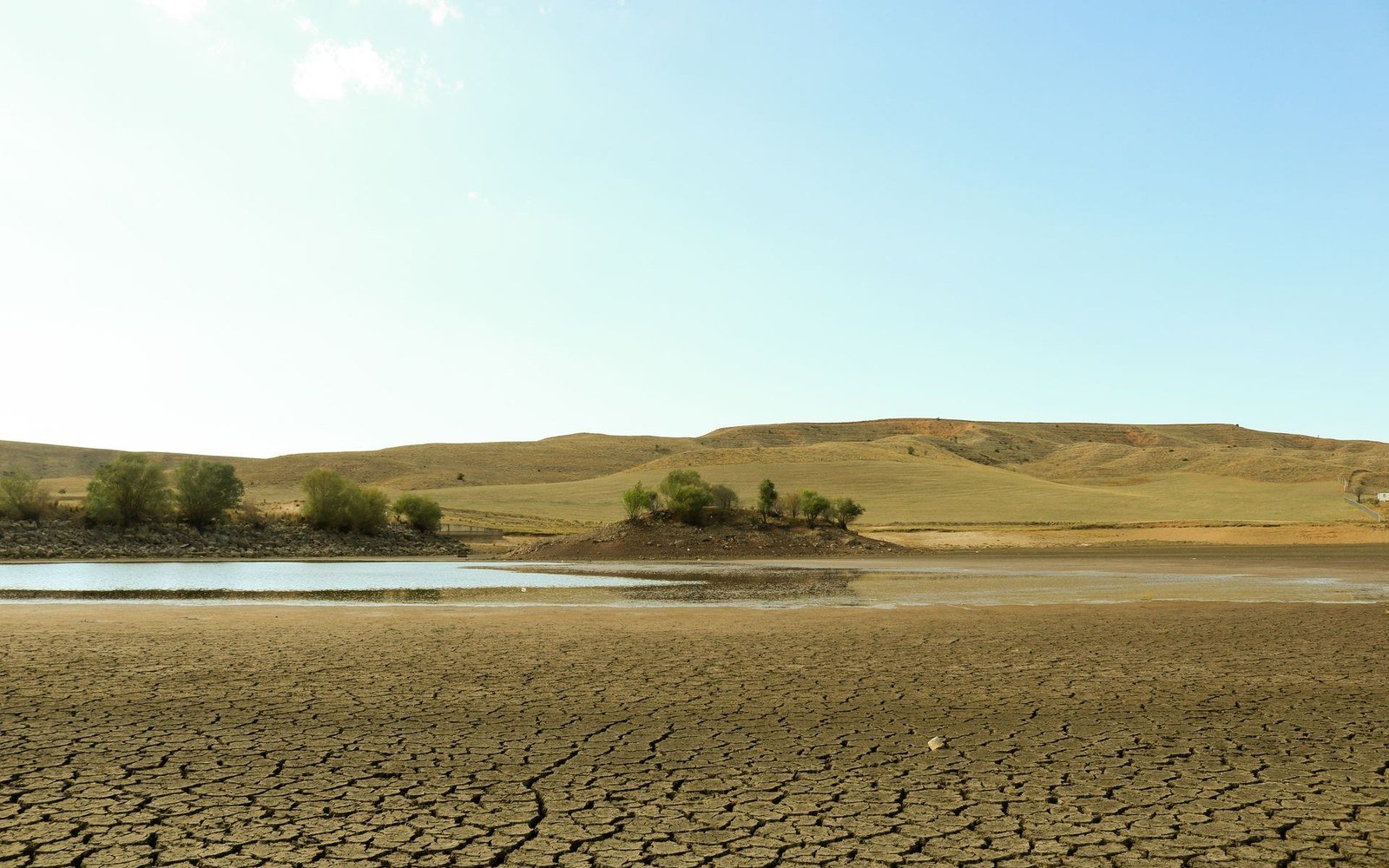
About 99 per cent of Hungary sits under severe or extreme drought, 1,588 hectares of fish ponds have dried out and producers say restocking will take years. Serbia, Bosnia, Romania, Czechia and Slovenia report the same summer.
Hungary's Agriculture and Food Economy Ministry said last week that persistent heat and water shortages had dried out 1,588 hectares of fish ponds, roughly 3,924 acres, and killed nearly 280 tonnes of fish at 20 farms. It put the revenue lost at 1.3 billion forints, about 4.2 million dollars. The country holds some 27,000 hectares of ponds in total, and about 99 per cent of its land is now under severe or extreme drought according to the national meteorological service. Operators have in places drained one pond to move its water into another.
The same summer is being described across the region. In a side channel of the Danube at Novi Sad in northern Serbia, small boats sit on cracked ground and the water has withdrawn into two shallow ponds where juvenile fish are circling.
This is all we have, these two little ponds that are full of juvenile fish
Dusan Jovanovic, fisherman on the Danube side channel at Novi Sad
The water there is above 30 degrees Celsius. The fisherman's view is that if the fish begin to die they will all die together, and that the only remedy left is to move them somewhere else. In eastern Slovenia, emergency teams have pumped 8 million litres of water into Lake Pristava to hold off a mass suffocation, and they are not confident it is enough.
Losses that compound over several seasons
Carp takes three or four years to bring on, so a bad summer is not written off at the end of the summer. Romanian producers are still carrying the consequences of the droughts of 2023 and 2024 into this year's heat.
So what we lost in 2023 has (had an) impact every year since
Catalin Platon, president of the ROMFISH National Association of Fish Producers
Water allocation is the quiet part of this. Where abstraction was directed to irrigation during the earlier droughts, the fish farms were left with what remained, and the stock they lost then still has not been replaced.
In Czechia, operators have cut or stopped feeding to reduce oxygen demand, aerated ponds and drained them where they had to. Association officials there say sustained rain would relieve the immediate position but that holding more water in the landscape is the longer question. Trout farms in mountainous Bosnia face a different version of the same problem, since trout need cold water carrying plenty of oxygen, so summer production and feeding are cut back and liquid oxygen is added to keep the business going until the rain comes.
What the continental record shows
The European Union's own monitoring puts the wider picture behind the individual farms. Its drought observatory recorded conditions across most of the continent in mid August as stable and critical, with small improvements only in the west, and the sharpest rainfall shortfalls in southern Germany, the Alps, central France and western Ukraine. Soil moisture was below normal across much of central and eastern Europe, and severe to extreme low flow conditions were reported in catchments in central and eastern Europe, Norway, Finland, the Alps, northern Italy and on major rivers in Germany and France. Vegetation indicators were deteriorating in parts of France, central Europe, Hungary and western Romania.
France gives the clearest measure of how quickly this has moved. More than 85 per cent of the country was under drought warning or alert in mid July this year, against about 65 per cent at the same point in 2025 and under 2 per cent in 2024. For the fish industry the damage is already counted in millions of euros, on top of losses in crops, in energy and water supply and in river traffic, and the countries and businesses caught out by it are now working out what to hold back for the next one.