
UK Construction and Law
Two streets in Clackmannanshire are to be bought and demolished after ground movement linked to historic coal mining
By Staff Writer | 29 August 2026
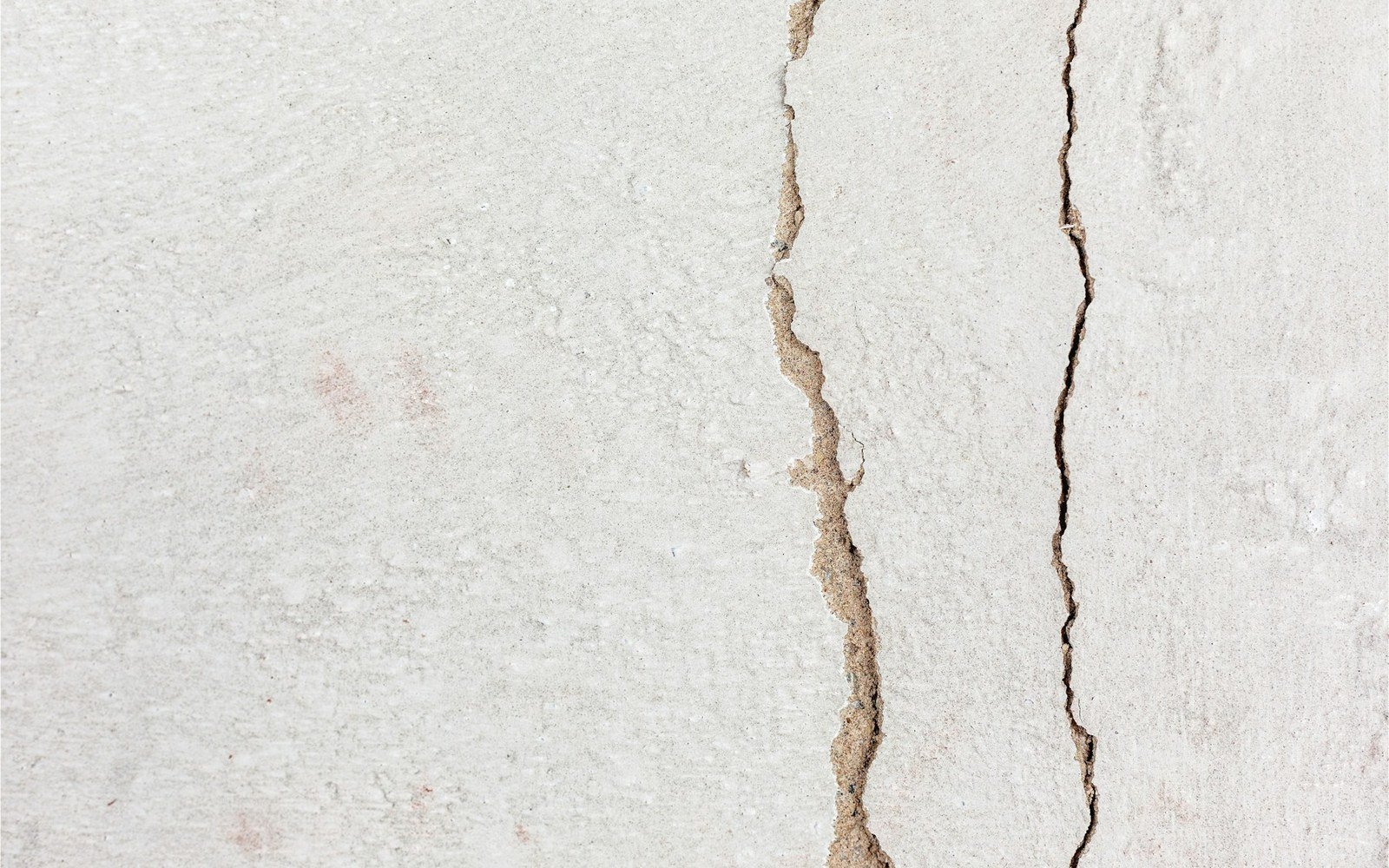
Nearly 100 homes in Coalsnaughton were evacuated in May. Structural assessments, ground investigations and an options appraisal are now complete, and the proposed answer for Benbuck View and Dunmoss View is acquisition and demolition. Other streets are to be stabilised and repaired.
The Mining Remediation Authority held meetings with residents of Coalsnaughton on 27 August and published its position the following morning. It is the first full account of what the investigations have found since the evacuation in May, and it draws a line between the streets that can be repaired and the two that cannot.
The assessment programme covered structural engineering assessments of the affected properties, ground investigations and an appraisal of the options for making the area safe. The result, on the authority's own account, is a clearer picture of the scale of the damage and of the likely next steps for each affected area and property. Ground movement is not uniform across the village. Each street is moving in a different way and to a different degree, which is why the answer differs street by street.
The two streets that will not be repaired
Benbuck View and Dunmoss View carry the most serious impacts. The homes there have been assessed as damaged, and at a level of risk, beyond the point of rehabilitation.
Subject to the necessary approvals, our proposed approach is to acquire and demolish the properties on those streets.
Carl Banton, Chief Operations Director, Mining Remediation Authority
The authority described the decision as one it had not reached lightly, and said it reflects the level of damage, the work that would be needed to make the ground safe, and the value of giving residents a clear and practical route forward. Two things follow for anyone reading this as a professional rather than as a resident. The first is that the comparison being drawn is between the cost and feasibility of stabilising the ground beneath those properties and the cost of buying and clearing them, and the second option has won. The second is that acquisition is described as subject to the necessary approvals, so the mechanism and the timing are not settled on this record.
Elsewhere, stabilise then repair
At Langour, where the movement has been more limited, repairs are expected once ground stabilisation has taken place. That sequence matters: the buildings are not being repaired while the ground is still moving. Further stabilisation is planned near Nechtan Drive, with road repairs on The Glen. The authority says dedicated support remains in place for affected households through named contacts, account managers and a local community liaison officer.
Why this one is worth watching
Coalsnaughton sits on a coalfield worked long before anyone kept the records a modern developer would expect, and the damage is being managed by the public body that inherited that liability. Cases of this size are rare, and the sequence being followed here is the one the industry recognises: evacuate, assess the structures, investigate the ground, appraise the options, then decide property by property. What is unusual is the outcome for two of the streets. Demolition of occupied housing on subsidence grounds is a long way past repair and monitoring, and the authority has now put that on the record before the approvals are in place.