
Tender
Royal Household tenders fire detection at Windsor and Kensington
By Staff Writer | 28 August 2026
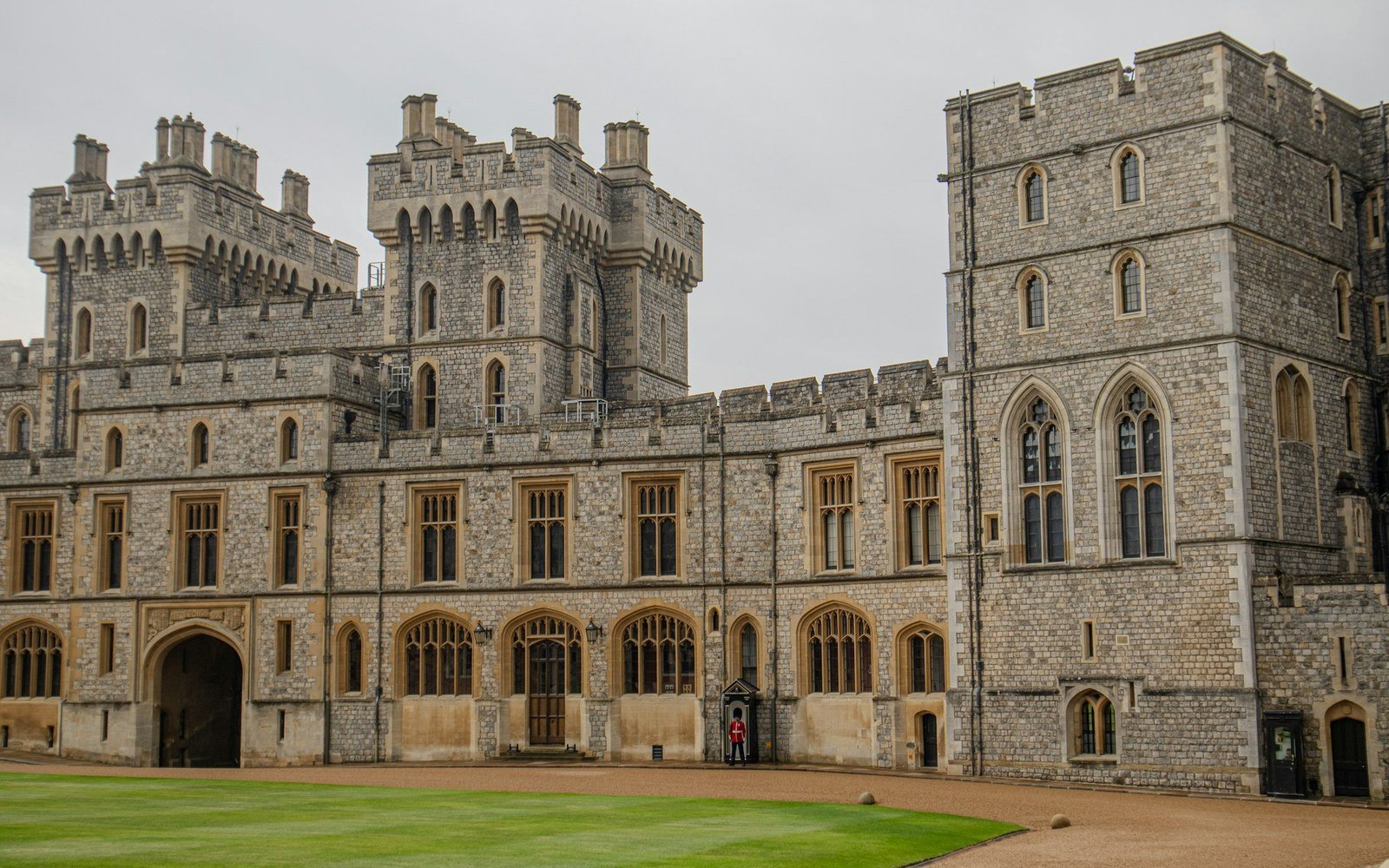
The Royal Household has tendered the installation, maintenance and reactive repair of automatic fire detection at its Windsor and London estates, at a value of 1,115,000 pounds gross. The tender notice, identifier 081957-2026, was published on 27 August 2026 at 5pm and closes at 11am on 2 October 2026.
The buyer states that the contract relates both to fire alarm replacement works and to a planned preventative maintenance and service contract. The installation work is listed by location on the notice: Windsor Castle Upper Ward; Windsor Castle Middle and Lower Ward; Windsor Castle Control Room; Windsor Castle Mews; Windsor Castle Home Park; and Kensington Palace, meaning the main palace, ancillary accommodation and the Old Barracks.
The buyer sets one hard date against the works: the installation, including commissioning, must be completed before the end of the fixed contract period, which it states is three years. The maintenance obligation runs alongside the installation rather than after it.
What the estate does to the job
The Royal Household describes the estate in its own terms, and the description is the constraint. It consists of a number of listed and historic buildings, scheduled ancient monuments and buildings of historic interest. Many have some form of public access. All of them, the buyer states, are considered secure installations.
Each of those three carries its own programme consequence. Listed fabric and scheduled monument status govern how cable can be routed, where detectors can be fixed and what consents are needed before a fixing is made. Public access governs when the work can happen and how the areas are handed back at the end of a shift. Security clearance governs who can be on site at all, and it is the constraint least amenable to being recovered by adding labour.
The buyer also states that although this is a single contract, individual installation projects are envisaged as being managed as separate projects to the service and maintenance contracts.
How the bids will be scored
The award criteria are given as exact percentages: commercial evaluation at 55 per cent, technical evaluation at 30 per cent, an interview at 10 per cent and environmental and sustainability at 5 per cent. Price therefore carries more than half the score, with the interview and the environmental element together carrying 15 per cent.
The contract period on the lot runs from 1 March 2027 to 1 March 2030, with a maximum extent date of 1 March 2032 and a stated arrangement of a three year contract with the option to extend by up to two years. The lot is marked as suitable for small and medium sized enterprises and for voluntary, community and social enterprises.
The classifications, and what is missing
Six classifications are carried by the item: 31625100, fire detection systems; 31625200, fire alarm systems; 45312100, fire alarm system installation work; 45343000, fire prevention installation works; 50413200, repair and maintenance services of firefighting equipment; and 75251110, fire prevention services. Together they describe a contract that supplies the equipment, installs it, and then maintains it.
The notice does not state the number of detection points, the number of panels, the existing system type or its age. It does not say which of the six named locations carries the largest share of the installation, and it gives no phasing between them. It does not state the security clearance level required. The procedure is recorded as open, run as a competitive flexible procedure, with the Procurement Act 2023 as the legal basis, and bids are due by 11am on 2 October 2026.