
Tech and AI
A west Texas data centre campus is to be run off what would be the largest power station ever built in the United States
By Staff Writer | 24 August 2026
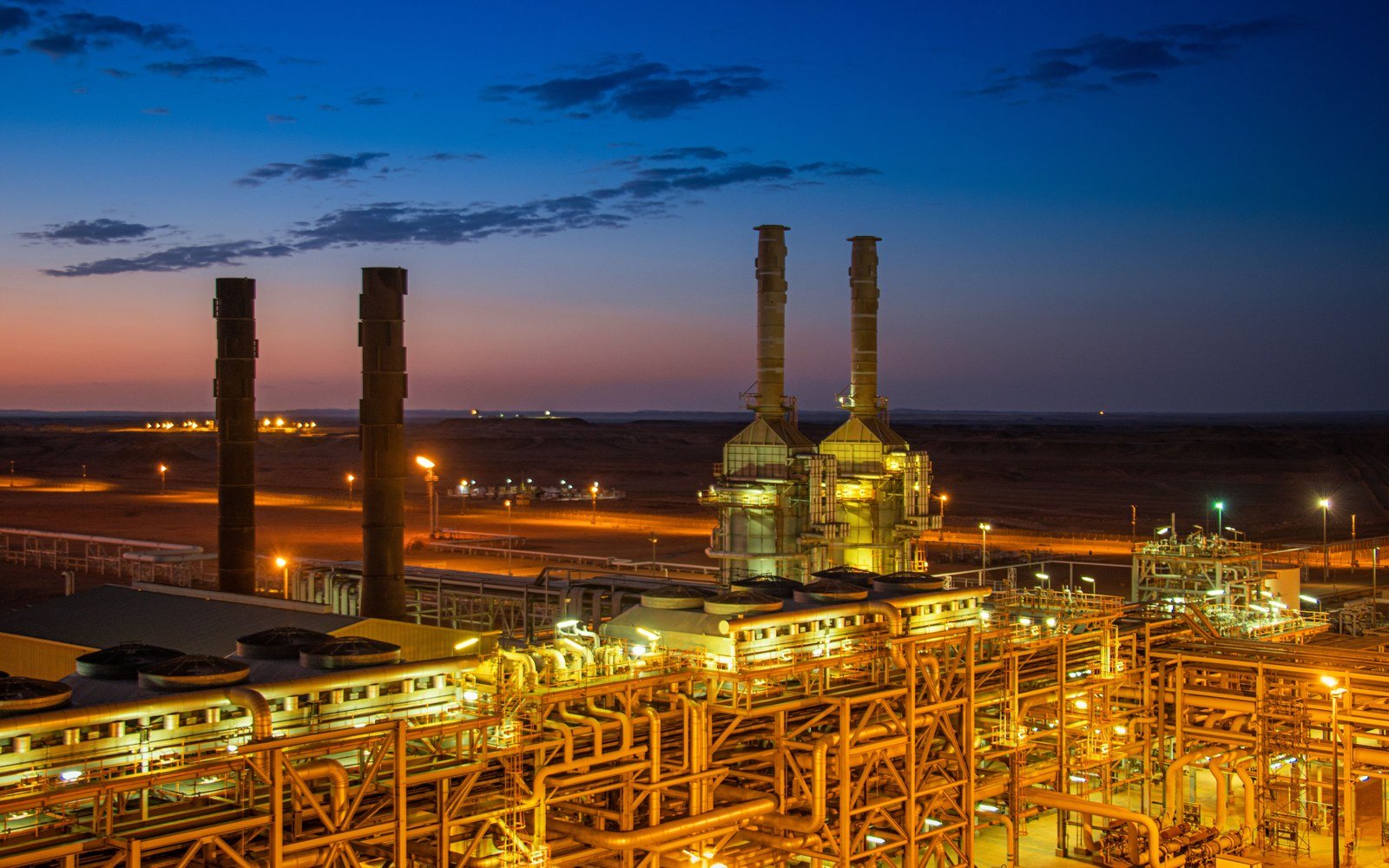
Ground has been cleared at an 8,000 acre site in Pecos County for a privately owned plant of 35 gas turbines rated at up to 7.65GW. The state air permit allows up to 33 million tonnes of carbon dioxide a year, and the state grid operator is meanwhile barred from advancing any data centre connection until an audit is finished.
A data centre campus in Pecos County, west Texas, is to take its electricity from a private power station built beside it rather than from the state grid. The site, known as GW Ranch, runs to about 8,000 acres and was bought from the developer holding the air permit for the plant. Three building permits have been filed with the state and ground clearance has begun.
The permit allows 35 gas turbines rated at up to 7.65GW combined. Built to that rating the plant would be larger than any generating station in United States history. The present holder of that title is the Grand Coulee Dam in Washington state at roughly 6.8GW, close to a full gigawatt less.
One private customer is procuring more generating capacity for a single campus than the largest public works project of the last century produces for a region.
Why the grid is being bypassed
Building generation on the same site removes the wait for a connection. Interconnection queues in the United States run to years, while a campus of this kind needs firm power around the clock from the day it opens. Roughly sixty generation projects sited behind the meter in this way have been reported since the start of 2025, carrying about 90GW between them.
The owner has said it believes in paying the full cost of powering its operations, that the new generation will not raise household bills in the state, and that the campus is designed to move to a grid connection when interconnection timing allows. It has also said it will use water unfit for drinking or irrigation. The plant's developer has set out up to 750MW of solar and 1.8GW of battery storage on the same site.
The permitted ceiling, and what it would mean
Permit documents put authorised emissions at up to 33 million tonnes of carbon dioxide a year. That is a ceiling rather than a forecast, and the distinction matters. Run at the ceiling, the station would be the largest single source of carbon dioxide in the country, ahead of the roughly 16 million tonnes a year attributed to the largest coal plant in Alabama.
One of the dangers of these bring-your-own-power requests to data centres is instead of using much cleaner electricity off of the ERCOT grid, which has increasing amounts of wind, solar and batteries, data centres will just build gas plants and increase climate and local air pollution.
Luke Metzger, Executive Director, Environment Texas
The state has already stopped the queue
On 3 August the Governor of Texas directed the state utility regulator and the grid operator to verify and audit every data centre moving through the interconnection process, and ruled that no project may advance until that work is complete. Any project failing the requirements is to be refused a grid connection. For each project the operator must collect what public financial assistance it has had or expects, how much of its own power it is providing, its water use and cooling, what it is doing about effects on the community, and who owns it.
Our top priority is to protect Texans' safety and quality of life. Any project that fails to comply with the requirements set forth by the PUCT and ERCOT, and by state law, must be denied connection to the Texas grid. Simply put, Texans must come first.
Greg Abbott, Governor of Texas
The scale behind that instruction is in the same release. Connection requests before the operator amount to more than 474 gigawatts, upwards of five times the record peak demand ever met on the Texas system, and about nine tenths of the new requests come from data centres.
Two things follow for anyone pricing this class of work. The power station is now part of the works rather than part of the utility arrangements: the turbine hall, its fuel supply, its emissions permit and its commissioning sit on the same critical path as the data halls, and a delay in either stops the other. And the regulatory position moved after the money was committed, so a permitted project with land cleared can still find the connection route closed while a state decides what it wants.
A neighbouring scheme in the same county has an equivalent arrangement, about 2GW of campus served by a plant of about 2.67GW. Pecos County is becoming a demonstration of the model rather than an exception to it.