
World News
Washington turns its Iran campaign on the countries and companies that still trade with Tehran
By Staff Writer | 26 August 2026
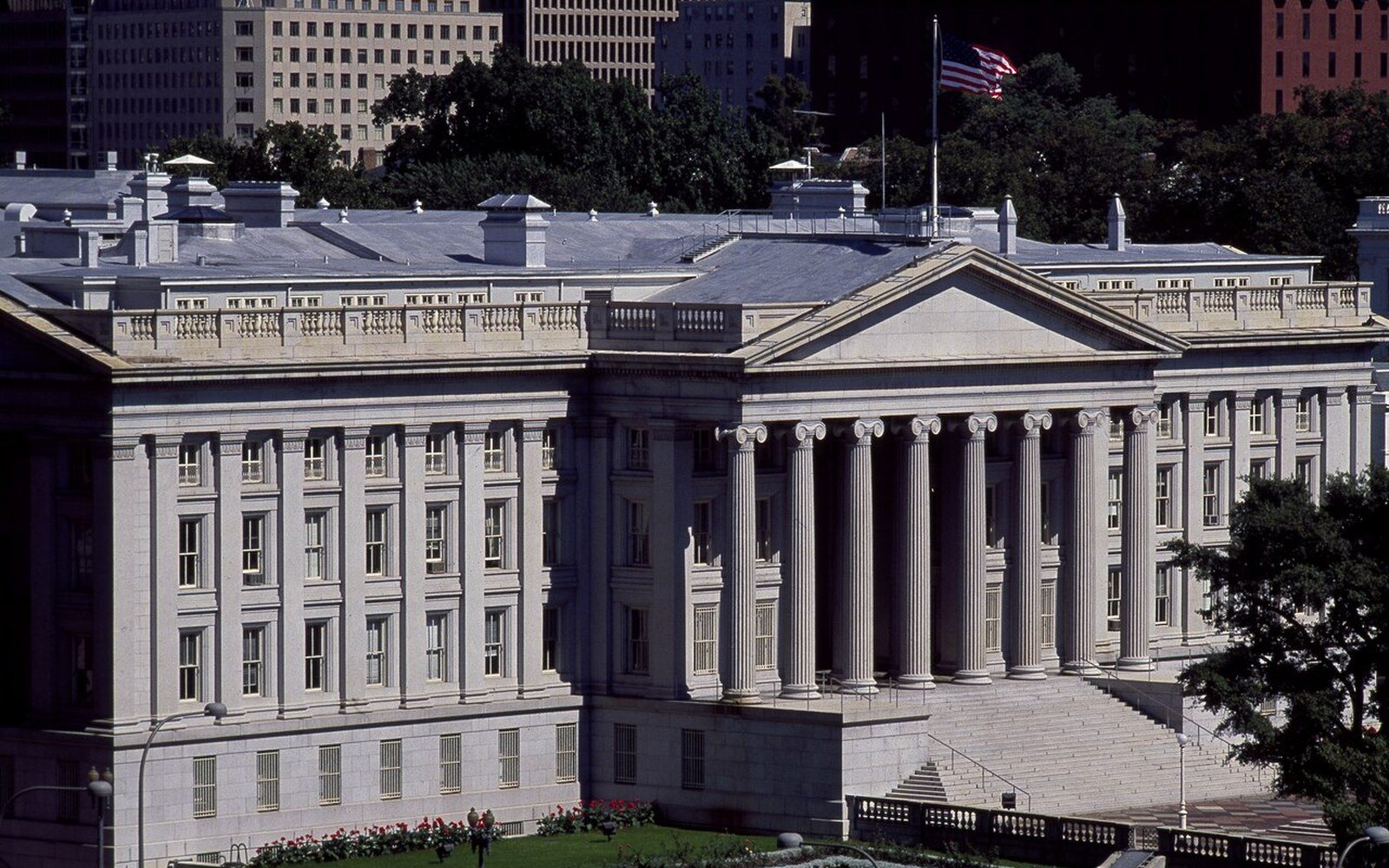
Five sectors are named, a deadline is promised and no country is named. The measure that matters to contractors is the threat to cut counterparties out of the dollar system.
The United States has opened a campaign of secondary sanctions aimed not at Iran but at the countries and companies that still trade with it. The Treasury Secretary set it out on Monday, six months into the war, calling it Operation Economic Outcast, and said every country would be given a period in which to close down its Iran related business before a final notice was served.
Five sectors were named as the ones Tehran relies on: digital assets, technology, gold, aviation and shipping. Alongside them the department designated a list of companies, people and ships accused of supporting nuclear and missile procurement, cyber operations and oil revenue networks. The two records read for this report give the size of that list differently, one as 60 and the other as nearly 60, and neither is adjusted here to match the other. Licences that had permitted remittance payments into Iran were suspended.
No one is above the reach of U.S. sanctions
Scott Bessent, United States Treasury Secretary
What was announced, and what was not
No country was named. No immediate action against any country was set out. What was described was a warning with a clock attached, and a period the Treasury Secretary called a cure period, during which a counterparty may end its Iran business without penalty. Asked why partners were being warned rather than penalised, he gave the answer that explains the design of the whole exercise.
Why would I want to blow up the global financial system?
Scott Bessent, United States Treasury Secretary
Markets moved very little on the announcement, which is consistent with a measure that threatens rather than acts. Iran's principal trading partners include Russia, China, India and Turkey, and none of them was told anything specific about how the widened rules will apply to existing business.
Why this reaches a construction business that has never gone near Iran
A secondary sanctions programme does its work through banks, not through governments. Long before any designation lands, correspondent banks widen their own screening, payments to and from the region slow, and letters of credit that used to clear in days sit in review. On a live contract that shows up as late payment, then as a suspension, and then as a claim for prolongation. The exposure is not to Iran. It is to a counterparty two or three tiers away whose bank has decided not to take the risk.
Anyone with work in the region should read three clauses this week rather than next: the sanctions clause and what it defines as a sanctioned party, the change in law clause and whether a foreign sanctions determination falls inside it, and the force majeure clause and whether an inability to receive payment through a correspondent bank engages it. The answer in most standard forms is that a payment blockage is a risk that sits with the party who has to pay, and that party will look at its change in law relief first.
The position on the ground
The economic backdrop is severe on the numbers carried by the record. The rial reached a record low of two million to the dollar and inflation is running above 80 per cent, with oil shipments close to stopped. The Strait of Hormuz remains disrupted, and the same day's reporting from the Gulf carried a tanker struck by a projectile and disabled off the northern coast of Oman.
Iran has rejected the measures publicly. Beijing's foreign ministry called for a return to dialogue and said that sanctions and pressure resolve no dispute and risk the stability of the wider economy.
Six months of military operations have not produced the settlement Washington set out to obtain, and the announcement is an attempt to obtain it another way. Whether it works will be visible first in shipping and banking data rather than in any statement, and not for some weeks.