
World News
United States resumes boat strikes in the eastern Pacific after a pause of two months
By Staff Writer | 26 August 2026
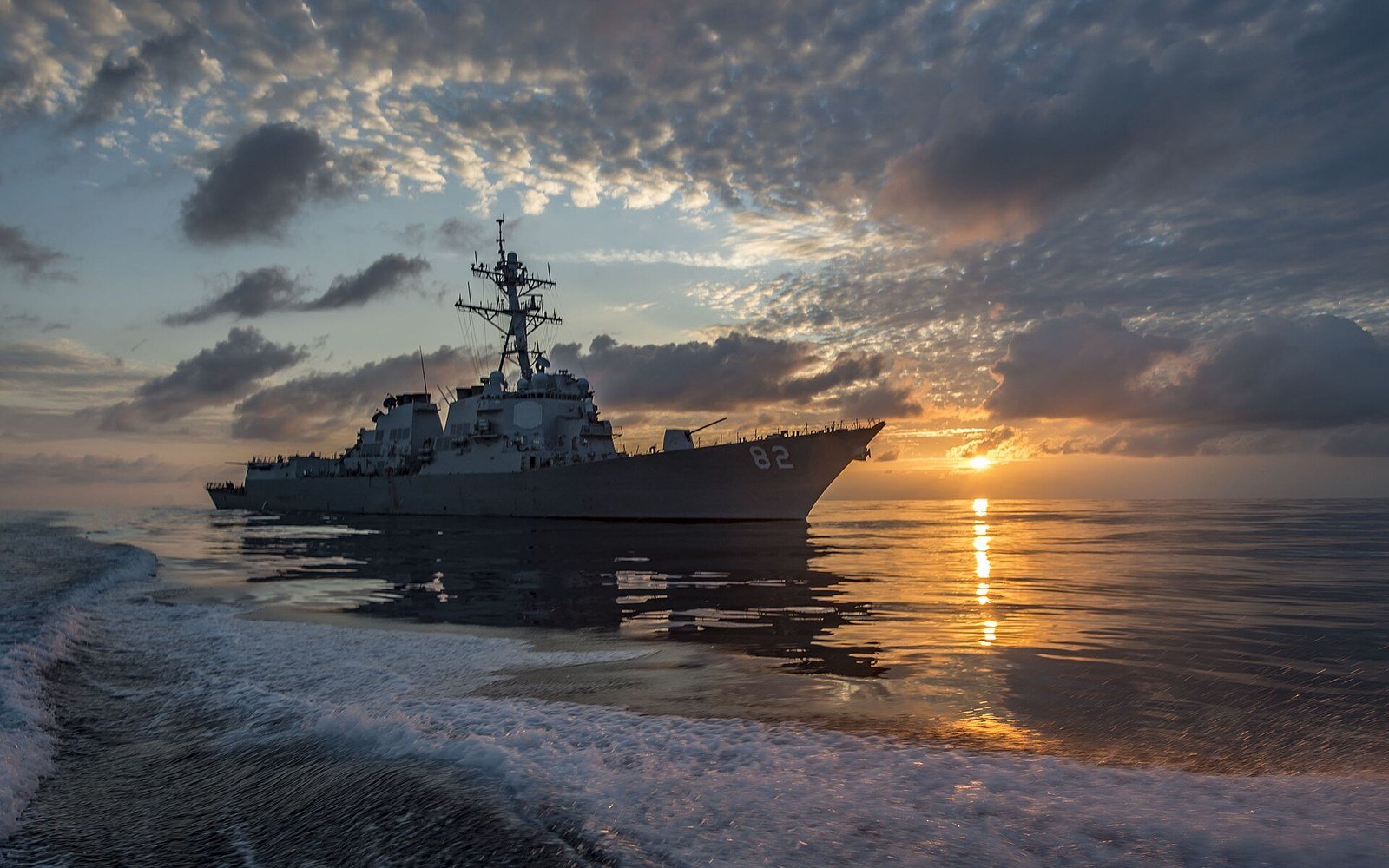
Two people were killed on Sunday. The campaign has now run for close to a year, and the command's own running total is 223 dead in 67 strikes.
The American military has resumed strikes on boats off Latin America after a pause of more than two months. United States Southern Command announced on Monday that forces had struck a vessel in the eastern Pacific the previous day, killing two people it accused of trafficking drugs.
executed a lethal kinetic strike on a low-profile vessel operating along established narcotrafficking routes in the Eastern Pacific
United States Southern Command, in its own statement
As with most statements in this campaign, no evidence was produced that the vessel was carrying drugs. The strike was the first since the earthquakes that struck Venezuela on 24 June.
The running totals, and the one that does not add up
The command's own count now stands at 223 people killed in 67 strikes since the campaign began in September 2025. It also reports the destruction of 64 speedboats, three low profile vessels and one semi submersible craft. Those three figures come to 68, one more than the number of strikes, and neither record read for this report explains the difference. Both numbers are set out here as they were published.
The commanding officer set out the object of the campaign in a statement issued with the announcement.
We are committed to imposing total systemic friction on narco-terrorists
General Francis Donovan, commander of United States Southern Command
Survivors, and what happens to them
The strikes have left survivors in the water. Data compiled from the command's own statements record 28 people surviving a strike, of whom three were ever recovered: one transferred to the Costa Rican coastguard in March, and two wounded people later returned to Ecuador and Colombia. The command said separately on Monday that there have been more than 20 search and rescue efforts, almost all of them unsuccessful.
The first strike of the campaign, in September 2025, left two survivors who were killed in a second strike on the same boat. When that became public it drew objections from legislators and from specialists in the law of armed conflict, some of whom argued that a follow up strike on survivors could not be lawful in any circumstances. The administration said at the time that it was done in self defence, to ensure the vessel was destroyed, and in accordance with the laws of armed conflict.
One international organisation that monitors such operations has described the strikes as extrajudicial killings amounting to crimes under international law.
The campaign is moving onto land
The naval element is now the smaller part of the picture. The Defence Secretary said during a visit to Panama this month that Colombia, Guatemala and Honduras had agreed to allow joint operations against criminal groups on their territory, an account Guatemala denied. Ecuador began similar operations with the United States in March.
The stated justification is the flow of drugs into the United States and the deaths that follow. Critics point out that the fentanyl behind most of those deaths is trafficked overland from Mexico, where it is made with chemicals imported from Asia, rather than carried by boat up the Pacific coast.
The Pentagon's own watchdog said in May that it intends to examine whether the military followed its established targeting process in carrying out the strikes. That review is directed at the six phase joint targeting cycle and not, on the inspector general's own account, at whether the strikes are lawful.