
World News
United States buys 22.9 billion dollars of Tomahawk missiles to refill emptied magazines
By Staff Writer | 18 August 2026
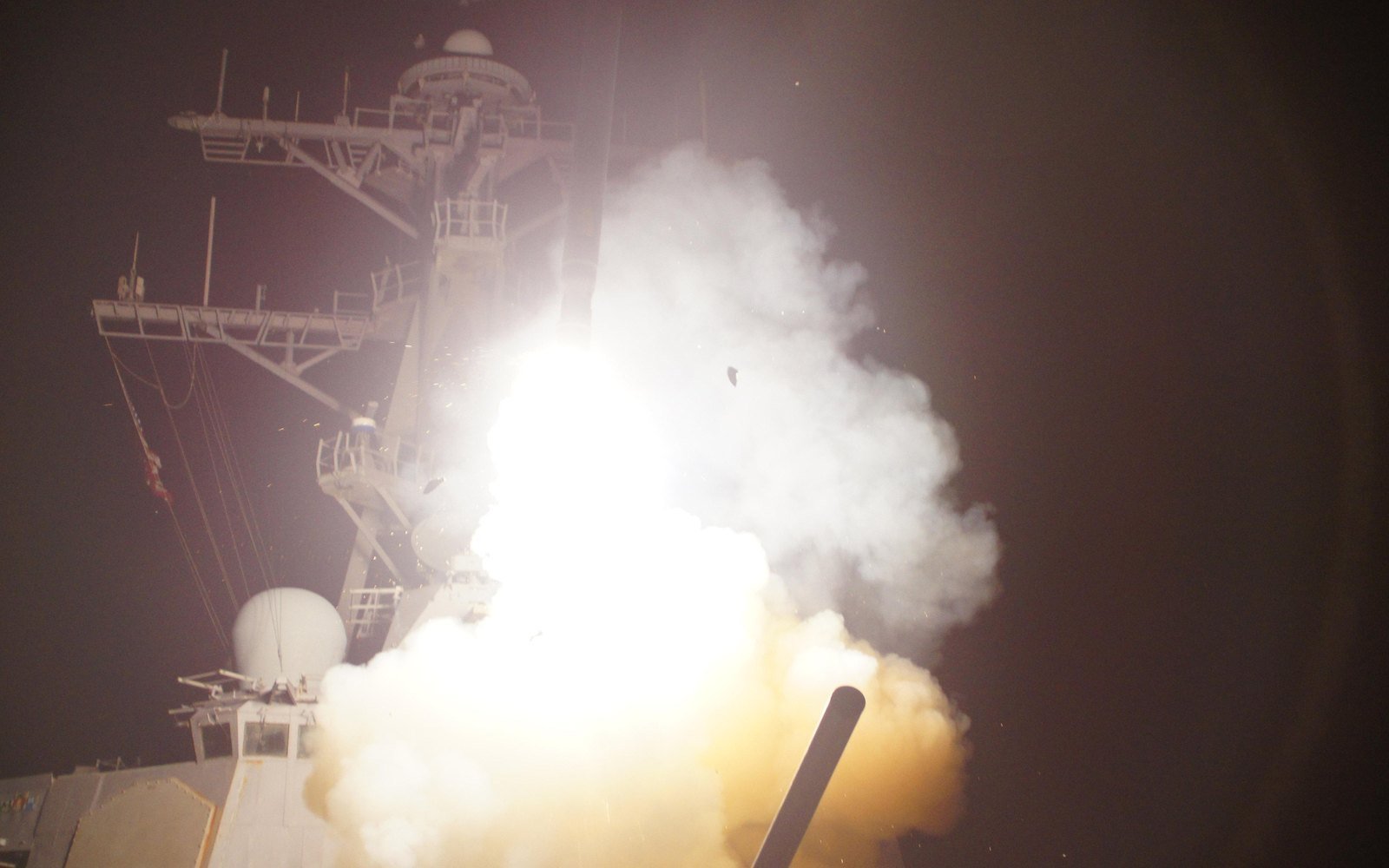
A seven year award to Raytheon is meant to lift annual output from 60 missiles to more than a thousand. The Navy says it is buying speed rather than a new weapon, six months into a war that has drawn down American precision stocks.
The Department of the Navy has awarded Raytheon, an RTX business, a contract valued at 22.9 billion dollars to accelerate production of the Tomahawk cruise missile. The award was announced on Monday by the Acting Secretary of the Navy, Hung Cao, and is the largest single commitment the department has made to a munitions line since the war with Iran began at the end of February.
This landmark $22.9 billion investment accelerates the delivery of Tomahawk missiles to our warfighters at unprecedented speed
Hung Cao, Acting Secretary of the Navy
The contract runs for seven years. On the company's own account of the terms, it is intended to lift annual Tomahawk output above 1,000 missiles; production currently stands at about 60 a year. The formal award firms up a framework agreement signed in February between the American government and the manufacturer.
What is being bought is time
The department's stated purpose is procurement lead time rather than capability. Nothing in the announcement describes a new variant or a change in the weapon. What it describes is a longer horizon: a multi year commitment that gives the manufacturer the predictability to expand its workforce, raise throughput and hold its supply chain together. The department said the approach reinforces a wider effort to rebuild the industrial base that produces American weapons.
The sea launched Tomahawk is fired from surface ships and submarines and reaches beyond 1,600 kilometres, which is why the drawdown of the stockpile has consequences well beyond one theatre.
Michael P. Duffey, Under Secretary of War for Acquisition and Sustainment, said the department "has challenged industry to answer the call to expand munitions production and capacity, and RTX has answered", and that the award would let armed forces "get Warfighters what they need". The munitions portfolio is directed by an acquisition office led by Van Hendrey, which the department credits with the change in how the weapon is bought.
Six months of expenditure
The purchase follows a period in which the United States has both supplied allies heavily and expended precision weapons of its own. Concern about air defence and precision guided inventories has been public for weeks, and earlier this month the American government signed further agreements to raise production of Patriot and THAAD interceptor components. Estimates of how far the interceptor stockpiles have fallen are in circulation but have not been confirmed on any official record, and are therefore left out here.
President Donald Trump and the Secretary of War have both denied that American missile stocks are running low. The contract announced on Monday is the clearest available measure of how the department itself reads the position: a seven year commitment, at a scale that only makes sense if the demand is expected to persist.
Neither the department nor the manufacturer has said when the higher production rate is expected to be reached, and the release gives no delivery schedule. On the numbers published, moving from 60 missiles a year to more than 1,000 is a change of more than sixteen times, and no facility currently builds them at that rate.