
World News
Putin visit to Kuril islands draws Japan protest
By Staff Writer | 13 August 2026
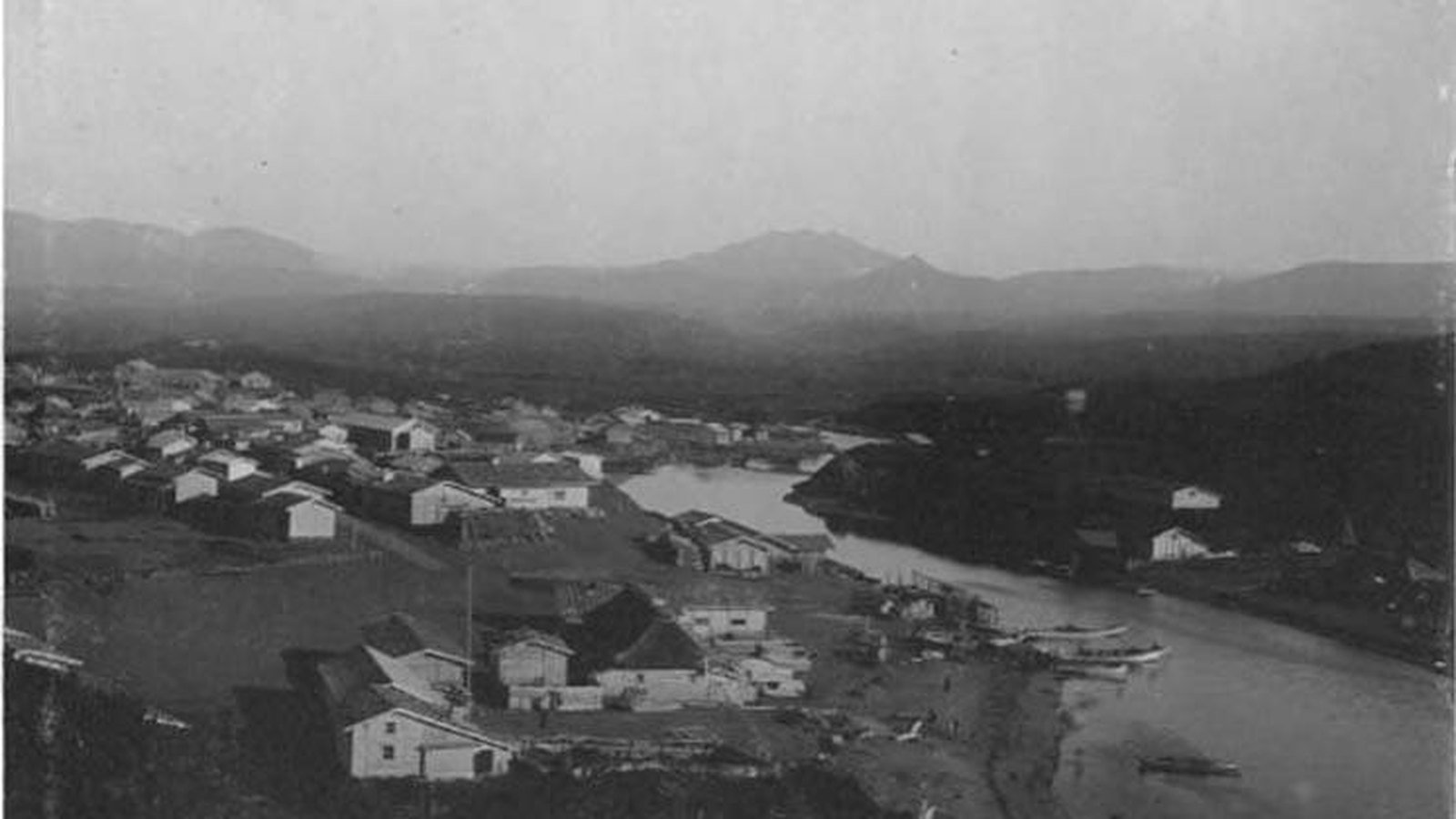
Vladimir Putin has made his first visit to the Russian-held Kuril islands, prompting Tokyo to renew a territorial protest that has blocked a formal peace treaty since the Second World War.
The Russian president travelled to Iturup on Thursday, where he toured the Yasny fish-processing plant, looked over tuna and halibut laid out on a table, listened to officials talk about fishing and the migratory behaviour of fish, and stopped to try the local fish roe. On its face the itinerary looked domestic and routine. In diplomatic terms it was the opposite, because Iturup is one of the southern islands that Japan still claims as its own territory.
The dispute has lasted for generations. The Soviet Union seized the islands in the closing days of the war, and the two countries have never resolved the argument over sovereignty. That is why Russia and Japan still lack a formal peace treaty even after decades of talks, summits and periodic attempts at a settlement.
Putin was not simply touring a remote region. He was reinforcing Moscow's message that the islands are Russian territory, while Tokyo was forced again to answer that claim publicly and immediately.
The protest came from a familiar fault line
Japan refers to the four southern islands as the Northern Territories and treats the question as unfinished business in both law and history. Moscow treats the matter as settled and has spent years strengthening its physical presence there through infrastructure, civil administration and a heavier military footprint.
That is why even a short presidential trip carries weight. A visit by the head of state says more than a map or a ministry note. It signals that Russia considers the islands fully integrated into the ordinary life of the federation and available for the same political theatre as any other far eastern province.
The northern territories, including Etorofu, are Japan's inherent territory both historically and based on international law.
Toshimitsu Motegi, Japan foreign minister
Tokyo's response was direct because silence would have looked like acceptance. Yet neither side appears close to compromise. Diplomatic efforts had already stalled long before this visit, and the broader collapse in Russia's relations with Western allies has made a flexible settlement with Japan still harder to imagine.
A symbolic trip with a military shadow
The timing sharpened the message. Before going to Iturup, Putin had been on Sakhalin and watching Pacific Fleet drills. That sequence linked the visit to a wider picture of Russian military posture in the Pacific at a moment of heightened regional tension involving North Korea, Japan and the United States.
For Japan, the risk is not only legal or historical. Each new Russian visit, project or exercise makes the status quo more concrete and harder to reverse. For Moscow, that may be the point. Facts on the ground tend to outlast diplomatic communiques.
The practical consequences from this one visit may be limited. No new negotiation has collapsed because none was moving. But the political consequence is plain enough. A dispute both sides know well has been put back into public view, and the old truth remains unchanged: the war ended in 1945, yet on this stretch of Pacific territory the peace still did not.