
UK Construction and Law
Nine days and 13m pounds of renewals on the West Highland Line this November
By Staff Writer | 5 September 2026
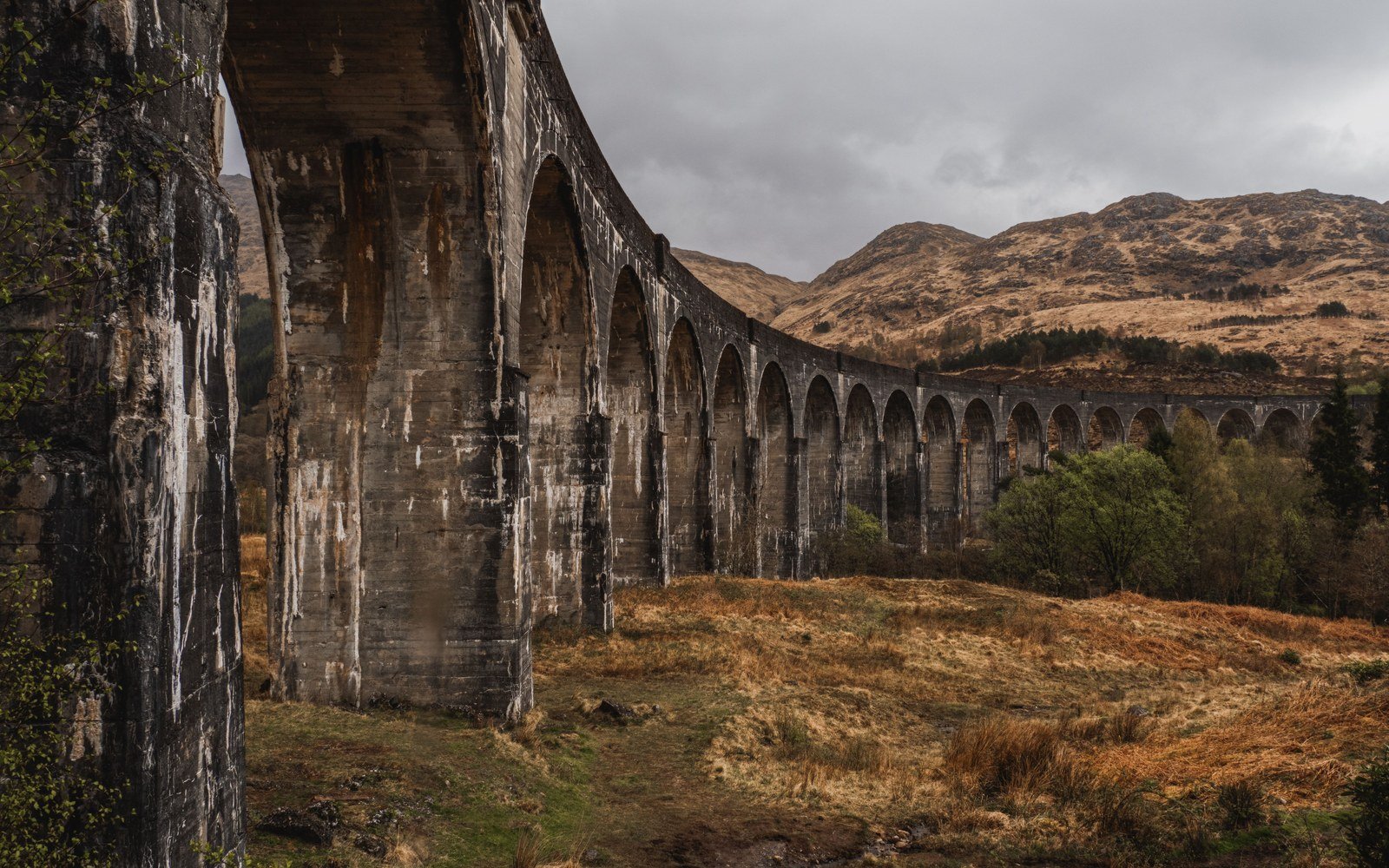
More than four kilometres of worn track, new culverts, two bridge jobs and vegetation clearance, all taken inside a single nine day line closure between Crianlarich and the west coast. The scope reads as a drainage and resilience programme with track renewal attached.
Network Rail announced on 4 September 2026 that the West Highland Line will close for nine days in November for 13m pounds of work. Buses replace trains between Crianlarich and Fort William and Mallaig from Monday 9 to Tuesday 17 November. Teams will be working at locations between Helensburgh, Fort William and Mallaig.
The stated aim is to tackle wear across the route, make the railway more resilient to severe weather, and reduce the likelihood of infrastructure related delays and restrictions. Read the scope in that order and the priority becomes clear.
The scope, item by item
More than 4km of worn track is being renewed, at locations including near Arisaig, at Corrour, in the Loch nan Uamh and Beasdale tunnels, at Arrochar and Tarbet station and on Gleann Mama Viaduct. Drainage is being improved and culverts renewed, including between Glen Douglas and Arrochar and Tarbet. Fassfern Bridge near Spean Bridge is being refurbished, and a redundant bridge near Loch Eil removed. Vegetation between Fort William and Arisaig is being cleared to reduce the risk of disruption.
We know closing the line isn't ideal at any time, but it gives us the opportunity to carry out a large amount of work in one go, rather than causing repeated disruption over a longer period.
Gerry McQuade, capital delivery director at Network Rail Scotland
Mark Ilderton, ScotRail Service Delivery Director, said the line is a lifeline for the communities it serves, apologised for the disruption the essential work will cause, and said the operator will work with Network Rail to keep people informed and provide alternative travel arrangements, encouraging anyone travelling during the works to check in advance and allow extra time.
Why nine days rather than nine weekends
A route of this length with single line sections, remote access and long walking distances from the nearest road loses most of a short possession to getting people and plant to the worksite and back off it again. Nine continuous days converts that lost time into working time, at the price of nine days of replacement bus.
The two bridge items are separate disciplines held in the same window. Refurbishing a bridge in service means access, inspection, preparation and coating with the structure staying up. Removing a redundant one means demolition, arisings and reinstatement. Putting both inside a closure that is also carrying track renewal and culvert work means the site management problem is sequencing, not engineering: several trades competing for the same single line of access, in November, in the west of Scotland.
Drainage is the item that will decide whether the money worked. Culvert renewal between Glen Douglas and Arrochar and Tarbet, and drainage improvement generally, are what stops washouts and earthworks failures that close a route for weeks rather than days. Track renewal on a formation that still holds water is a repeat visit.
Nine days in November, 13m pounds, and the whole of the Fort William and Mallaig end on buses. The measure of it will be how few unplanned closures the route takes next winter.