
World News
German police hunt a suspect after wires were fired across high voltage lines
By Staff Writer | 5 September 2026
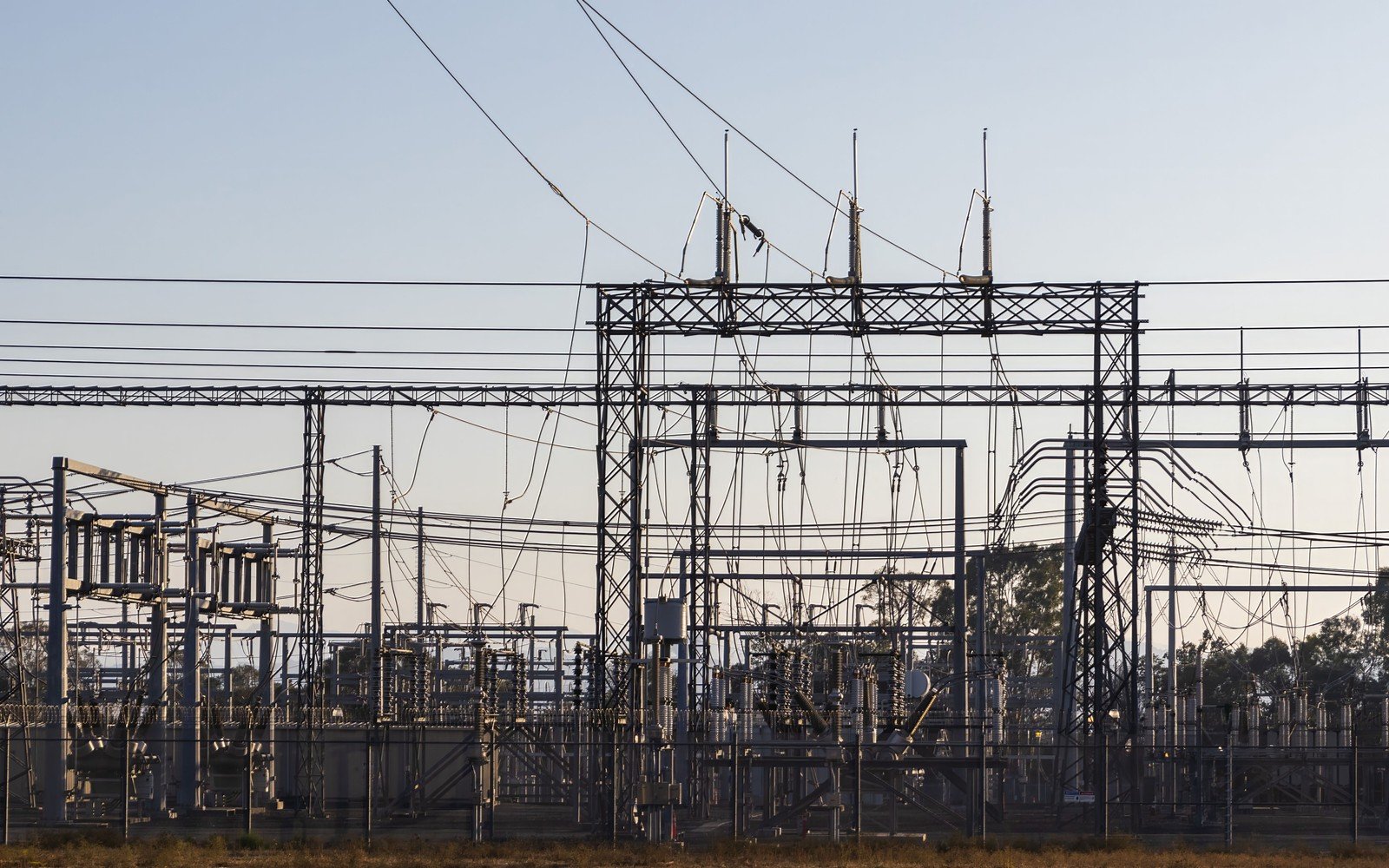
Substations in North Rhine-Westphalia and Brandenburg were hit or targeted in a single pattern of attack. No major outage followed, although generating units came off the grid for a time. Suspected explosive materials were found at a house in Gevelsberg.
German authorities said on Friday 4 September that they believe a militant climate activist carried out a run of sabotage attacks on the electricity grid, and that they are looking for a 48 year old man from Gevelsberg in the west of the country. Suspected explosive materials were found when his home was searched. A search was opened across Europe.
We must assume that this is a case of climate extremism.
Alexander Dobrindt, German Interior Minister
The attacks followed one method. Firework-like devices were used to launch wires across overhead high voltage lines at substations, in an attempt to cause short circuits and cut power from coal fired power stations nearby. Sites in North Rhine-Westphalia in the west and in Brandenburg in the east were hit or targeted over the week. No major power cuts resulted, although some generating units at the plants were taken off the grid for a time.
Letters confessing to some of the acts were sent to security officials and to news organisations. Herbert Reul, Interior Minister of North Rhine-Westphalia, said the letters contained precise details of the attack plans and were presumed to be authentic, adding that "the author cites as his motive the fight against fossil fuels".
Why a thrown conductor is the method
The following is engineering comment and not an account of anything the German authorities have said about intent. Laying a conductor across the phases of an overhead line is the cheapest available way to interrupt a transmission circuit. Protection equipment senses the fault current and opens the circuit within cycles, and it is that operation, working exactly as designed, which takes generation off the system. The device itself does very little damage. The outage is produced by the network protecting itself.
That is also why the reported result is consistent with the reported method. Units were disconnected, service was not lost, and the plant was returned. An attack of this kind is aimed at availability rather than at plant.
What it means for the people who build and hold these assets
A substation sits behind a fence on a remote site and an overhead line runs for hundreds of kilometres across open country. Neither can be watched along its length, so the exposure is not really a security question. It is a question of who carries the cost of an outage while a circuit is out, and that is settled in the contract long before anybody climbs a fence.
For contractors and operators the practical points are narrow and familiar. Physical repair after a flashover is usually small and quick. The loss sits in availability payments, in replacement power, and in the interaction between a force majeure clause and a deliberate third party act, which many forms treat differently from weather or plant failure. Where an owner has taken an availability obligation from a contractor without carving out third party interference, an event of this shape lands on the contractor.
The German case is also a reminder that a national grid has thousands of unguarded points and that the cost of attacking one of them is a few euros of hardware. The reason this week produced no blackout is that the protection did its job.