
UK Construction and Law
First 170 metres of a 700 metre viaduct pushed out over two live freight lines in Birmingham
By Staff Writer | 22 August 2026
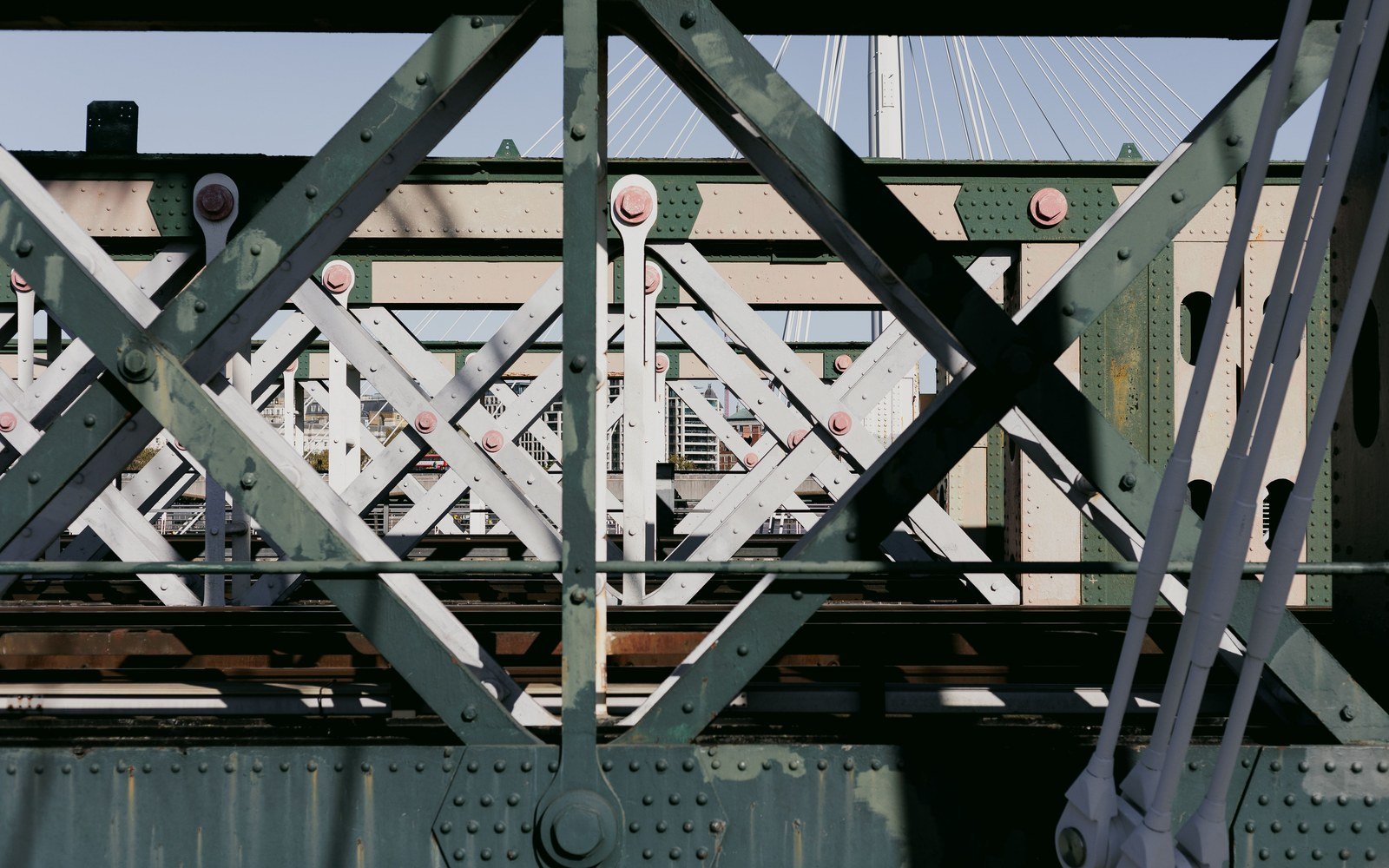
The Duddeston Junction Viaduct, the longest of the five structures carrying the high speed line into Curzon Street, has crossed the first two of six railway lines. Seven of its fourteen spans have to be assembled and slid before the passenger lines can be crossed, which is scheduled to begin in December and to finish next summer.
The launch was announced on 19 August. The first 170 metres of the 700 metre structure has been pushed out over two freight lines that carry goods into Birmingham. Duddeston Junction is the first and the longest of five interconnecting viaducts known as the Curzon Approaches, and it is longer than the next one by more than 400 metres: Curzon 1 measures around 300 metres.
The geometry is what makes it difficult rather than the length. The deck follows a varying horizontal curve and climbs on a three per cent gradient, rising from ground level to sit twelve metres above the existing tracks. The weathering steel structure is formed of fourteen spans of around 55 metres each, weighing up to 6,835 tonnes in total, and is carried on one abutment, two steel piers, four portals and eight concrete piers.
Building it in a corridor between live lines
The method is incremental launching. Each completed span is added at the rear of the structure and the whole assembly is then pulled forward on a slide. Seven spans have to be assembled and launched to clear all six lines. Once the railway is cleared, the remaining seven spans will be lifted and lowered into place by crane from the far side.
The working space was made rather than found. Preparation began in 2023 with major utility diversions and heavy ground contamination to deal with, then two of the three freight lines were moved onto a new bridge and embankment. The contractor built the Duddeston Mill Road Underbridge, and the two lines were realigned with Network Rail to leave a twenty metre wide corridor between the existing tracks. Up to 90 operatives and engineers are working in that corridor, between six live railway lines on one side and an industrial estate on the other.
This final mile stretch of the HS2 route into the city centre is extremely challenging and we've worked exceptionally hard, in conjunction with Network Rail, to plan the whole operation with minimum disruption to both passenger and rail freight services
Tony Zakaria, Senior Project Manager for the Curzon Approaches at HS2
Ross Rendell, a section manager at the contractor Balfour Beatty VINCI, described the structure as hugely complex and a section of the route that will take trains in and out of Curzon Street Station. John Emery, a senior sponsor at Network Rail, said the completed structure will span all six lines of the existing railway, which he put at more than 200 passenger and freight services a day.
What is left, and when
The passenger lines are next. Planning for that phase is under way with Network Rail and it is scheduled to begin in December, with the whole crossing expected to conclude next summer.
Work continues over the August bank holiday, when the first section of the new Saltley viaduct will be installed near Duddeston between Saturday 29 and Monday 31 August. Passengers are being told to check before travelling.
The wider alignment through inner Birmingham is now legible on the ground. Trains will emerge from the Bromford Tunnel, run in cutting through Washwood Heath, climb through Saltley on a retaining wall that connects into Duddeston Junction Viaduct, and cross the existing railway twelve metres up before reaching the station throat.
For anyone programming works over an operational railway, the numbers to take away are not the tonnages. They are the three years of enabling work before the first span moved, and the run from this month's first crossing to a completion the project expects next summer.