
Middle East Business
Dubai's drainage authority is the first government body certified to the stormwater climate standard
By Staff Writer | 28 August 2026
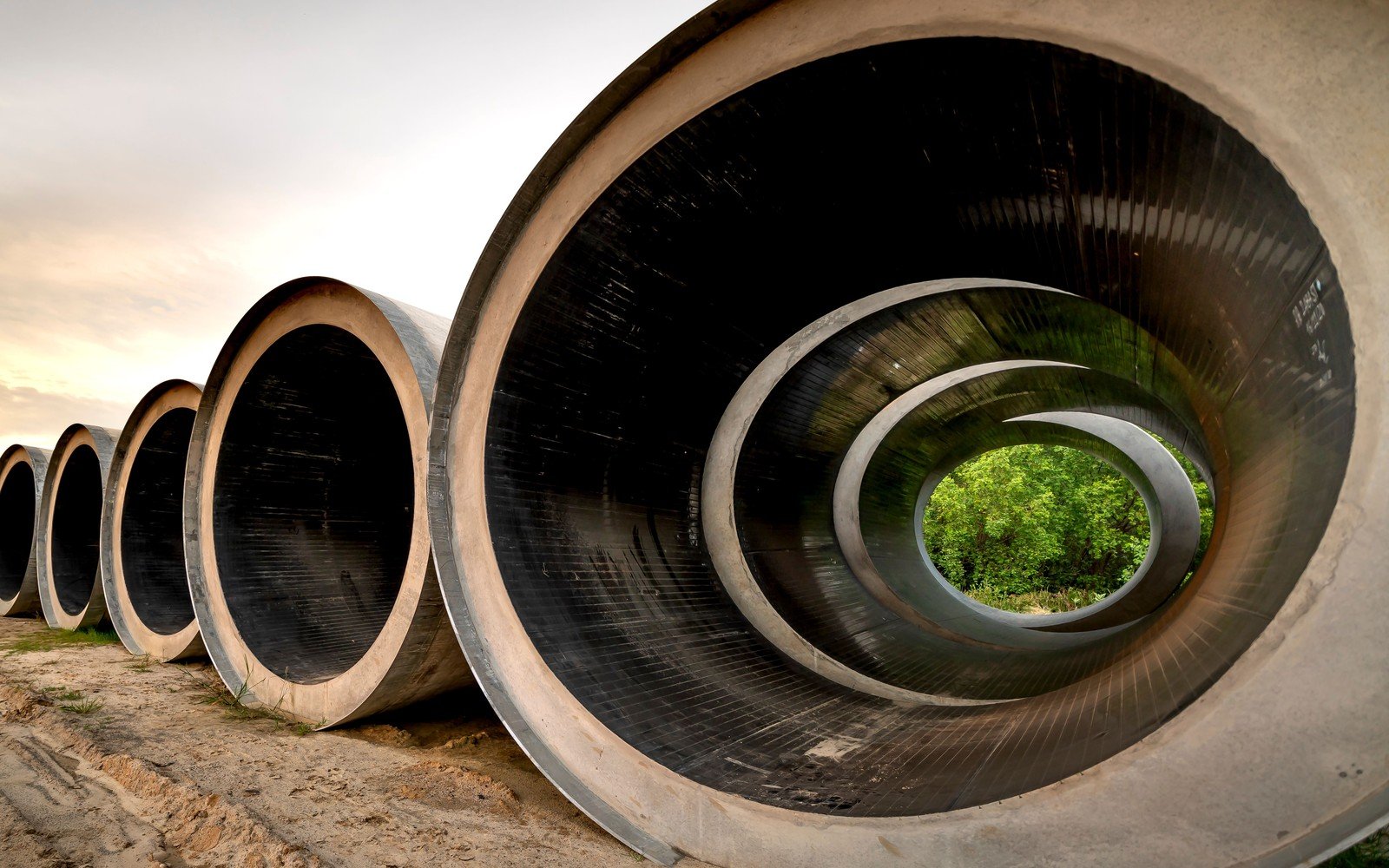
Certification to ISO 24566 covers climate risk assessment and the planning, design, operation and maintenance of the emirate's stormwater drainage systems.
Dubai Municipality has received international certification for compliance with ISO 24566, the standard on the management of stormwater services for adaptation to the impacts of climate change, and says it is the first government entity worldwide to hold it. The certification was announced on 25 August.
The certificate recognises an integrated and proactive approach to climate risk assessment and to the planning, design, operation and maintenance of stormwater drainage systems. It follows the development and implementation of a framework for assessing climate related change and the risks that come with it, intended to let drainage systems answer current conditions and adapt to future ones through proactive planning and evidence based decision making.
The adoption and implementation of ISO 24566 strengthen our operational and field capabilities by establishing systematic methodologies for addressing the impacts of climate change. Our approach is based on proactive planning and the effective use of accurate data to enhance operational efficiency and ensure the continuity and sustainability of services for residents.
Eng. Adel Mohammed Al Marzouqi, Chief Executive of the Waste and Sewerage Agency at Dubai Municipality
A management standard is not a design code
Certification of this kind says nothing directly about pipe sizes, gradients or the return period a network has been sized for. It is a statement about process: that risks are identified, that their effects are assessed, and that the assessment feeds the decisions taken about design, operation and maintenance. Nothing in the announcement changes a single published design criterion.
What it does change is what a client can be expected to ask for and to keep. Where an operator has committed to identifying risk from changing rainfall patterns and assessing its impact, that assessment becomes a document with a life of its own. It sits behind the design brief, it is disclosable, and on a scheme that later floods it is the first thing anyone will ask to see.
Why drainage is where a wet week turns into a claim
Anyone who has run a site through an unseasonal storm in the Gulf knows the sequence. Surface water stands where the temporary drainage was never designed to take it, access roads soften, excavations fill, and the concrete pour that had to happen this week happens next week instead. The entitlement argument that follows turns on what was foreseeable, what the contract allocated and what the permanent drainage was supposed to be doing by that date.
A certified assessment of changing rainfall risk, held by the authority responsible for the network, moves the ground under the first of those questions. It is evidence about what was known, by whom, and when.
What was published and what was not
The standard is described as providing a framework for identifying risks linked to changing rainfall patterns, assessing their potential impacts and developing engineering and operational measures to strengthen the long term performance of stormwater networks. That is the whole of the technical content in the announcement.
No network length was given, no design return period, no capital figure and no programme. The certificate is a statement about how the emirate manages its drainage, not a measure of how much of it there is.