
Middle East
Dubai opens a 700 metre bridge that takes an intersection from 7,800 to 19,400 vehicles an hour
By Staff Writer | 13 August 2026
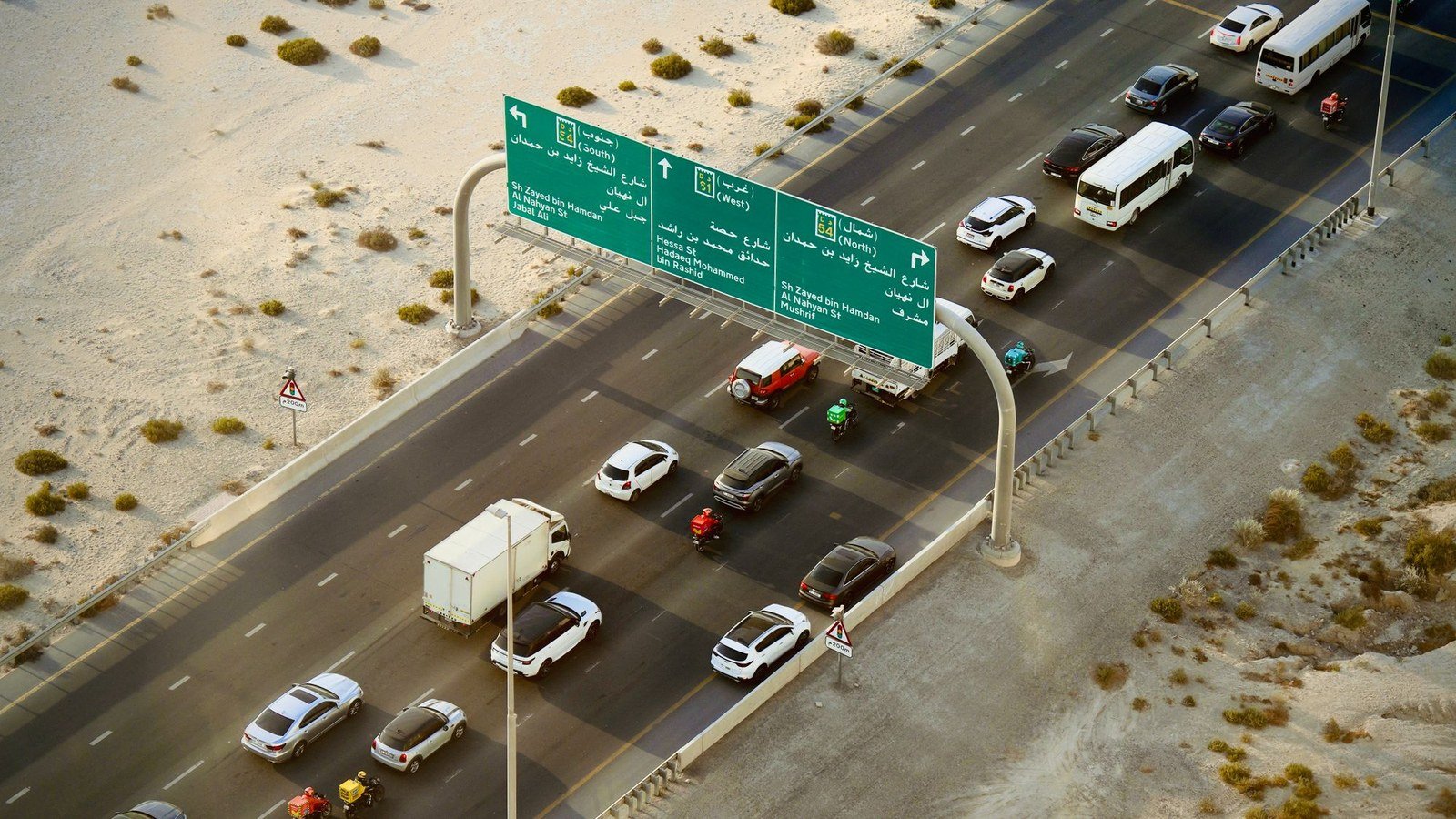
The fourth and final main bridge at the Al Qudra Road junction is now carrying traffic, cutting the wait at the intersection from about seven minutes to one.
The Roads and Transport Authority opened the structure on 9 August 2026, on the southern side of the intersection of Al Qudra Road and Sheikh Zayed bin Hamdan Al Nahyan Street. It runs 700 metres, carries four lanes and is designed for up to 6,000 vehicles an hour.
With it in service the intersection moves from 7,800 vehicles an hour to 19,400. The authority puts the reduction in waiting time at 85 per cent, from close to seven minutes to one.
A junction that has had its capacity multiplied by roughly two and a half is a different asset, not an improved one.
Opened in pieces, and deliberately
This bridge completes the main structures at the junction, but not the scheme. Two further ramp bridges are due in the fourth quarter of 2026: one of 500 metres carrying traffic from Al Qudra Road towards Jebel Ali, and one of 900 metres serving traffic heading for Downtown Dubai and Dubai International Airport.
Opening a junction in stages is a programme decision with contractual consequences. Each opening is a point at which part of the works passes into use while the remainder is still being built, and on a road scheme that means live traffic running alongside continuing construction, with the interfaces, access constraints and possession windows that follow from it.
The Al Qudra Road Development Project is being implemented to advance the infrastructure of the road network, keeping pace with Dubai's rapid urban and population growth.
Mattar Al Tayer, Director General and Chairman of the Board of Executive Directors of the Roads and Transport Authority
The stated driver is growth rather than congestion alone. Al Qudra Road serves a corridor of residential communities that have been built out steadily, and the intersection was carrying demand generated by development that arrived after the original layout was designed.
The number worth keeping
Capacity figures of this kind are worth reading precisely. 7,800 to 19,400 vehicles an hour is the intersection as a whole once the works are complete, while 6,000 an hour is the design capacity of the single bridge opened this week. The two are not the same measure, and quoting the larger one against the newest structure would overstate what has just been delivered.
The waiting time claim is the one a driver will test first. Seven minutes to one, at a junction feeding communities that are still being handed over, will hold only for as long as the demand behind it grows more slowly than the capacity in front of it. The two ramp bridges due before the end of the year are the next instalment in that argument.