
Middle East Business
Qatar's first property trust completes a QR 1.8 billion opening portfolio of 51 buildings and sets its sights on a listing
By Staff Writer | 27 August 2026
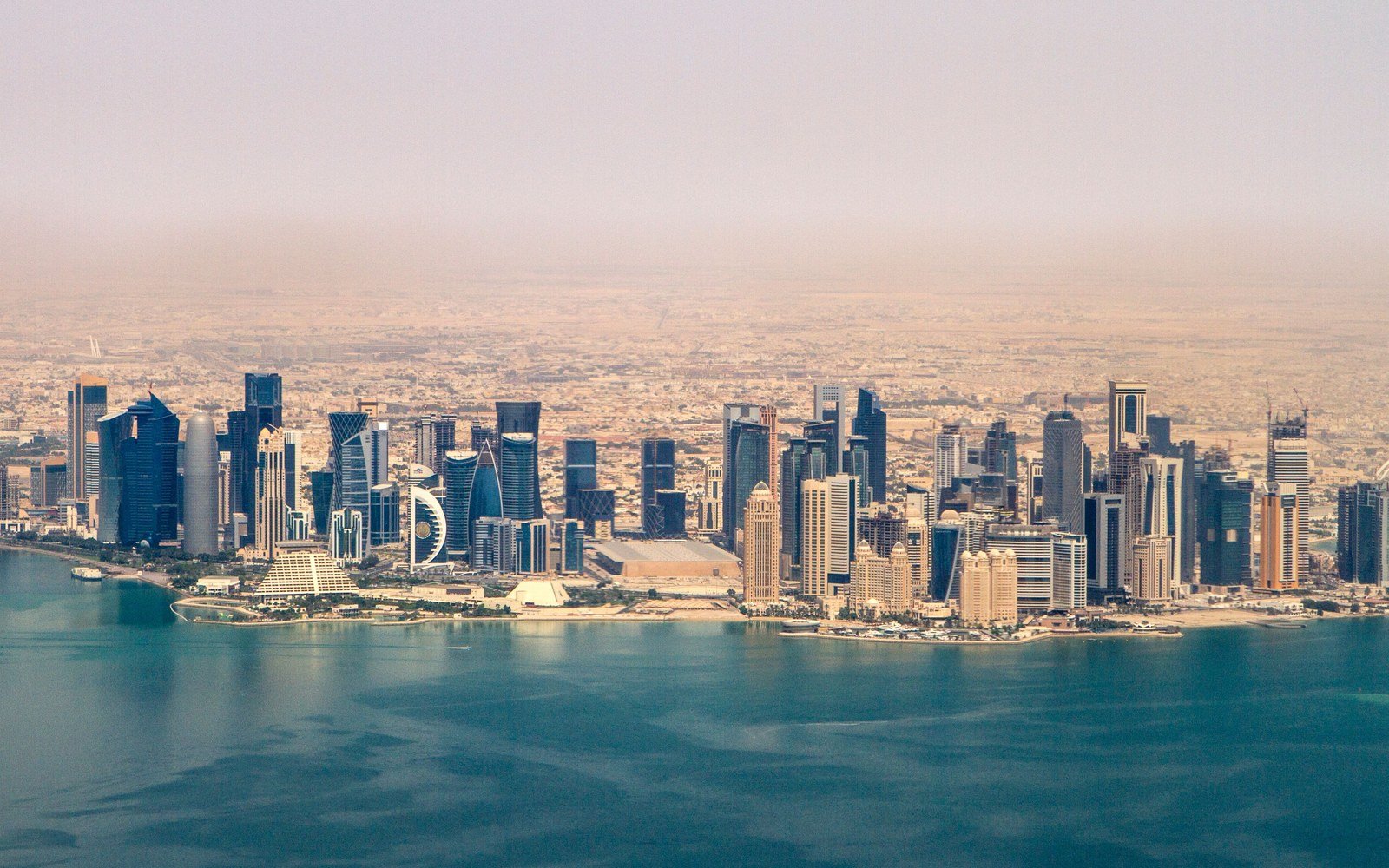
The assets sit in Mseimeer, Al Rayyan and Al Dafna, run to about 1,500 homes, more than 100 retail units and around 25,000 square metres of offices, and are described as fully leased.
The manager of Qatar's first real estate investment trust has finished buying the fund's opening portfolio. HMK Capital, licensed under the Qatar Financial Centre and regulated by the Qatar Financial Centre Regulatory Authority, has completed acquisitions of real estate assets valued at around QR 1.8 billion since July 2026, forming the initial portfolio of Salwa REIT from 51 properties.
The buildings are spread across three parts of the country: Mseimeer, Al Rayyan and Al Dafna, the last of which is the West Bay business district. The portfolio is described as fully leased and operating at near-full occupancy, and it mixes residential, retail and commercial office stock rather than concentrating on one class. The stated composition is approximately 1,500 residential units, more than 100 retail units and around 25,000 square metres of commercial office space.
The successful completion of Salwa REIT's initial portfolio marks an important milestone for HMK Capital and reflects our confidence in the strong potential of Qatar's real estate market. We are committed to working with investors and capital markets participants to develop innovative investment products that provide access to diversified, income-generating assets.
Sheikh Hamad Mohammed Khalid Al Thani, Chairman and Founder of HMK Capital
The financing and the intended exit
During July and August 2026 the manager also completed the financing arrangements behind the portfolio. The stated purpose is to support the fund's capital structure and its longer term investment strategy.
The manager says it continues to evaluate further income generating real estate in Qatar, and that it intends to advance the market process for a proposed listing of Salwa REIT on the Qatar Stock Exchange, subject to the necessary approvals. If that happens it would be the first stock exchange listed trust of its kind in the country.
A portfolio bought fully leased carries the previous owner's contractual history with it. Existing leases, service charge arrangements, outstanding defect liabilities and any live dispute over building condition transfer with the asset unless they were carved out at sale, and the transfer of ownership does not restart any limitation period already running.
Why a trust structure changes the maintenance question
For anyone advising on buildings in Doha, the arrival of an income fund of this size is a change in who is on the other side of the table. A trust holding 51 buildings for their rental income has a different attitude to planned maintenance, to service charge recovery and to the condition of plant from that of a developer holding stock while it sells.
Occupancy is the number a fund of this type is judged on, so the pressure runs towards keeping buildings in service rather than emptying them for works. That tends to produce phased refurbishment carried out around occupiers, which is one of the harder categories of work to programme and one of the more common sources of disruption claims.
What has not been stated
No yield has been published for the portfolio, no timetable has been given for the listing beyond the statement that the market process will be advanced, and the identity of the sellers of the 51 properties has not been disclosed in the announcement. The fund is described as supporting the development of Qatar's asset management and capital markets sectors, in line with the Qatar National Vision 2030 and the third national development strategy, which is framing rather than commitment.
What is fixed is the size of the book and where it sits. Just over a billion and a half riyals of Qatari property, in three districts, has moved into a single regulated vehicle inside two months.