
Middle East Construction
Fund agreed for a 5 billion riyal logistics and industrial park on 1.9 million square metres in South Jeddah
By Staff Writer | 13 August 2026
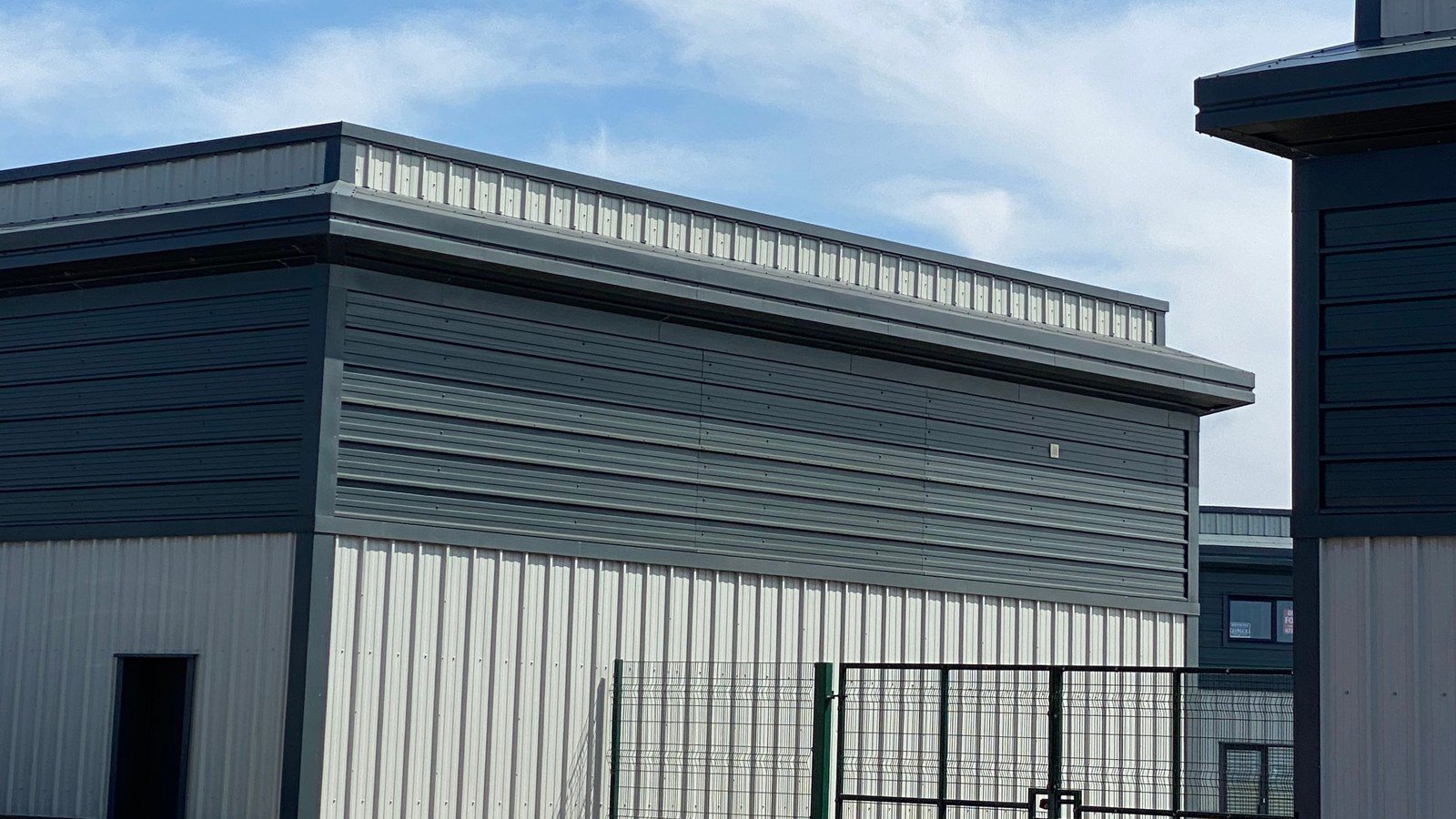
A memorandum of understanding sets up a dedicated investment fund for the scheme, with preliminary approvals already obtained, final agreements due before the year end and work on site expected to start in the first half of 2027.
Al Rajhi Capital and LogiPoint have signed a memorandum of understanding establishing an investment fund for the South Jeddah Logistics and Industrial Park, a mixed use development carrying a total investment value of around 5 billion Saudi riyals, roughly 1.3 billion dollars. The site runs to about 1.9 million square metres and will offer around 1.5 million square metres of leasable space. It sits next to MODON's Industrial City One in South Jeddah, and the developer is working in line with MODON's longer term plan for the area.
Al Rajhi Capital takes the role of fund manager. LogiPoint takes the role of asset and development manager, drawing on its record in building and running large logistics estates across the kingdom. All preliminary approvals have been obtained, final agreements are expected to be signed before the year end, and work on site is expected to start during the first half of 2027.
Saudi Arabia's logistics sector is entering a new phase of growth, where customers increasingly require integrated developments that combine modern infrastructure, operational flexibility, and long-term scalability.
Farooq Shaikh, Chief Executive Officer of LogiPoint
What is being built, and in what order
The asset mix is broader than a warehouse estate. Alongside dry warehousing there is to be cold storage and temperature controlled space, light industrial units, staff accommodation, and purpose built facilities for anchor tenants under build to demand and build to suit arrangements. Delivery is phased, and the first phase is the anchor tenant buildings rather than speculative shells.
That sequencing decision matters more than the headline value. Building to a named occupier first means the design is fixed by an operator's requirements before the ground is broken, which reduces the abortive design and rework that speculative estates absorb, and it gives the fund an income stream from the first handover. It also shifts the commercial risk: an anchor tenant that changes its operating model mid design is a variation account waiting to open, and the strength of the pre let documentation is what decides who pays for it.
Where the contractual pressure will sit
A memorandum of understanding is not a binding development agreement, and the final documents are still four months away.
Cold storage is the technically demanding element of the scheme and the one that most often produces defects claims. Temperature controlled envelopes fail at the junctions: vapour barriers, door seals, floor slab insulation and the interface between the refrigeration installer's scope and the shell contractor's scope. Where an estate is delivered in phases across several years, those interfaces are usually let under separate packages years apart, and the party carrying the pull through obligation between them is rarely stated as clearly as it should be at the outset.
The same is true of the build to suit units. A scheme of this size will run through more than one construction cycle, more than one round of material pricing and, on current form, more than one revision of the tenant mix. Whether that produces a well documented development or an argument in 2029 turns on drafting that is being done now, in the months between this announcement and the signature of the final agreements.