
Middle East Construction
Kuwait's Souq Sharq takes an 8.77MW solar array, with fifteen years of operation attached to the build
By Staff Writer | 13 August 2026
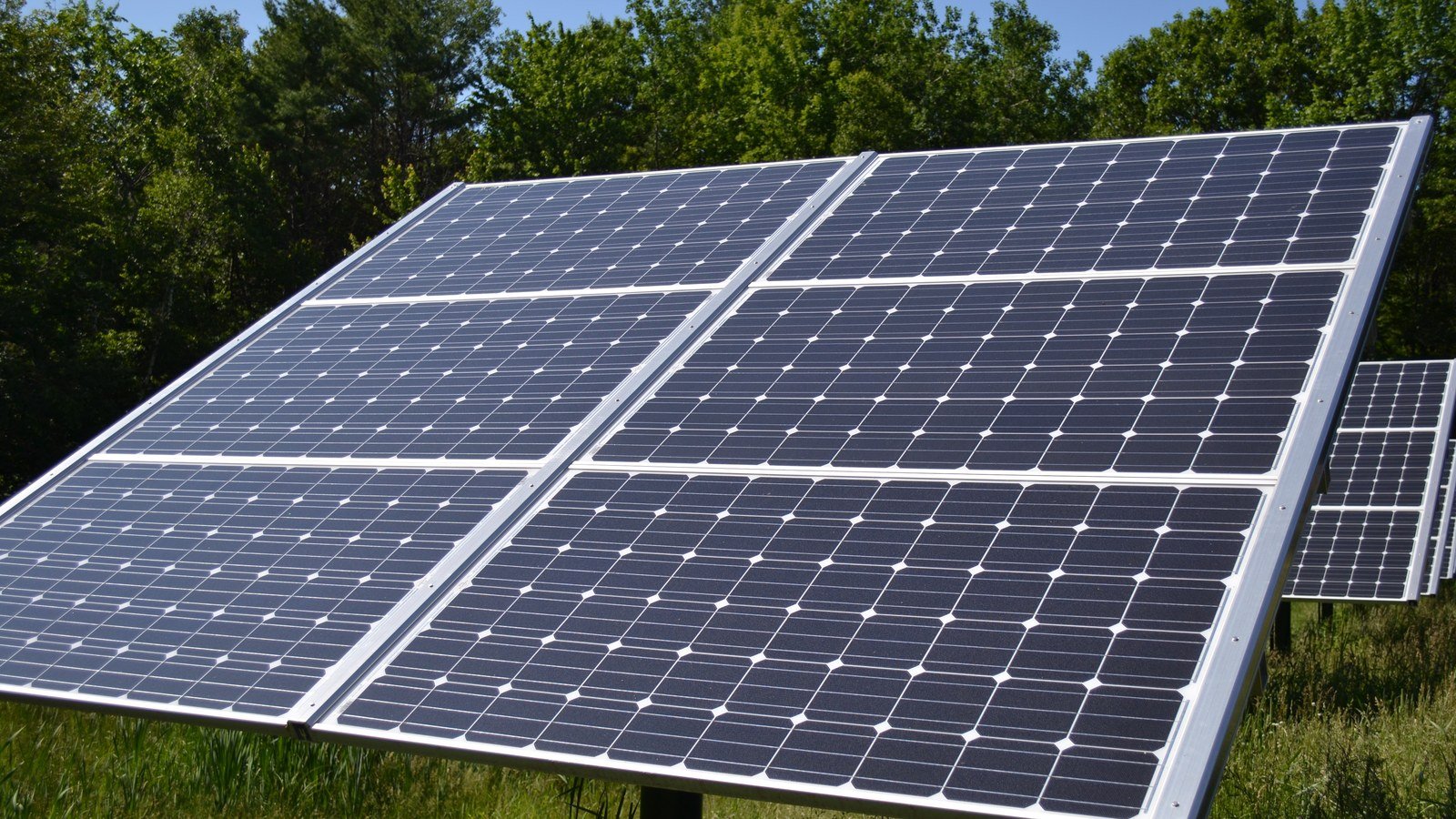
The waterfront complex will carry photovoltaic panels across its rooftops and car park canopies, under an agreement that puts the construction work and fifteen years of operation and maintenance in the same hands.
Alternative Energy Projects Company has signed an agreement with United Real Estate Company, through its subsidiary Marasi United, to build and run an 8.77 megawatt photovoltaic system at the Souq Sharq complex on the Kuwait City waterfront. The contractor will carry out the engineering, procurement and construction work and then operate and maintain the installation for fifteen years. The system is expected to avoid about 189,000 metric tonnes of carbon dioxide over its working life and to produce electricity equal to the yearly consumption of roughly 110 homes.
The shape of the deal deserves as much attention as the megawatts. A contractor that builds an asset and then carries it for fifteen years is exposed to its own workmanship in a way that a build and hand over contract never is. Output warranties, panel degradation rates and availability guarantees stop being appendices at the back of the contract and become the commercial substance of it.
The solar installation represents a significant step toward expanding renewable energy adoption in Kuwait's commercial real estate sector.
Mishari Suleiman Al Muhailan, Group Chief Executive Officer of United Real Estate Company
Rooftops and carports rather than open ground
The panels go on roof space and car park canopies at a trading retail and marina destination, so the array uses land that has already been built on. That choice carries its own constraints. Working above live parking decks and open shopfronts means phased possession, restricted working hours, temporary edge protection and a programme written around the complex's opening times rather than the installer's preferred sequence. Those are precisely the conditions in which access and disruption disputes arise, and they turn on how carefully the possession regime was drafted at the outset.
The array also sits inside a wider redevelopment of Souq Sharq that United Real Estate Company is delivering under a fifteen year build, operate and transfer arrangement awarded in February 2026, with completion set for the end of 2027. Installing a generating asset into a site that is being rebuilt around it puts interface risk on the critical path, and the party best placed to control that sequence is the one holding the redevelopment programme.
What Kuwait has built before
Kuwait has been testing photovoltaic power for four decades. The first installation on record went in at a school in 1985 and ran to 24.2 kilowatts. The opening phase of the Shagaya Renewable Energy Park, commissioned in 2018, put 10 megawatts of photovoltaic capacity alongside 10 megawatts of wind and 50 megawatts of concentrated solar power. Smaller systems have followed at oil fields, court complexes, government buildings and cooperative societies. What has been thin is private sector work, and this project is described as the first of its kind among Kuwait's private owners.
The national target is 15 per cent of power demand from renewable sources by 2030, rising to 50 per cent by 2050.
Set against national consumption of roughly 15,590 kilowatt hours a head, among the highest figures recorded anywhere, and summer air conditioning peaks that shape the whole grid, 8.77 megawatts on one retail roof is a small number. Its value lies elsewhere. It is a template: a private owner, a private contractor, a fifteen year performance obligation and a site that never shuts. If the availability figures hold through the first three summers, the second scheme of this kind will be easier to finance than this one was.