
Tech and AI
Two gigawatts of nuclear capacity for AI campuses, under a framework that expressly binds nobody
By Staff Writer | 26 August 2026
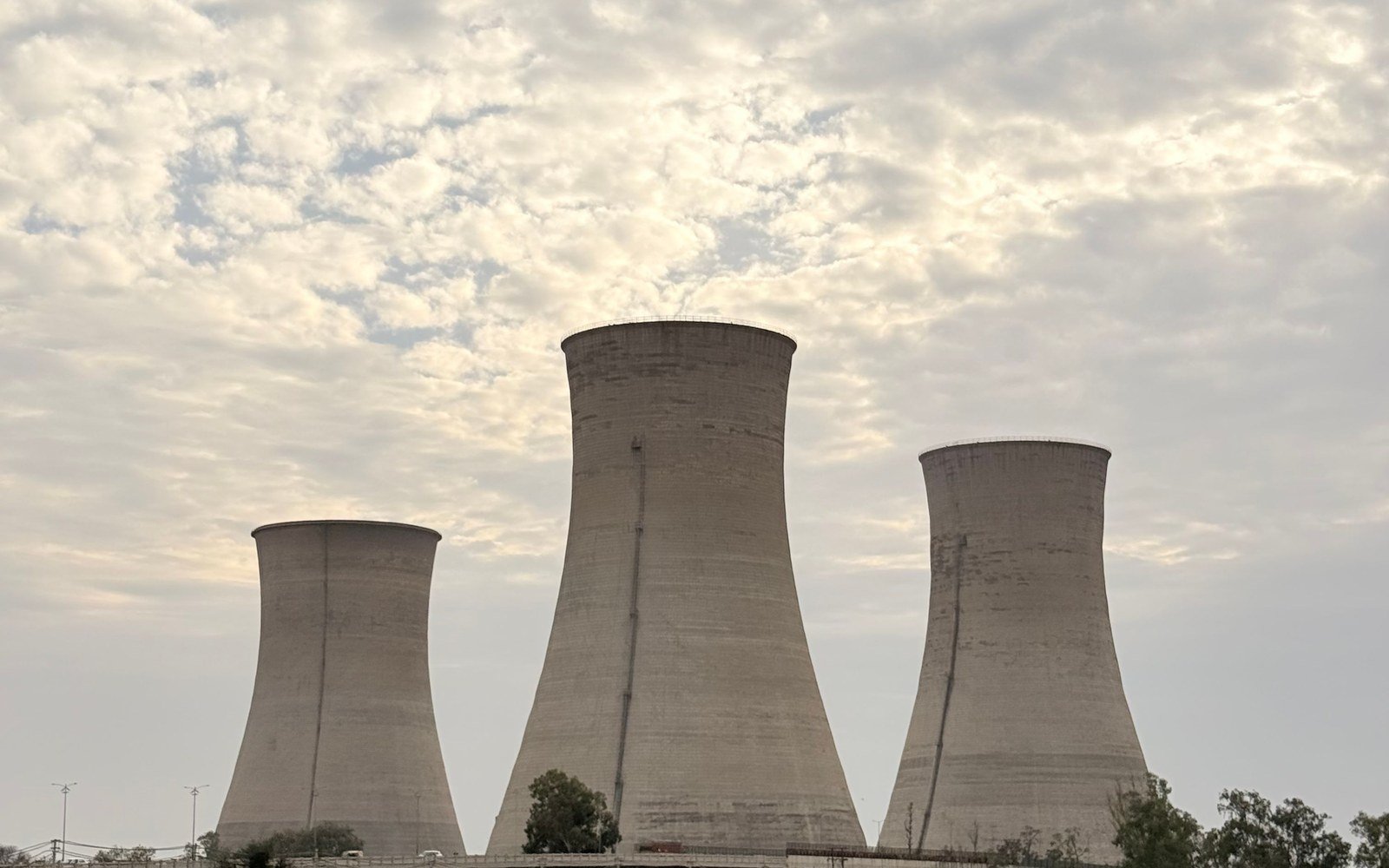
NANO Nuclear Energy and Tillman Digital Gateway announced a strategic commercial framework on 24 August targeting 2GW of advanced nuclear capacity by the mid 2030s and 6GW or more by 2040. The document is non-binding, and the warrants attached to it vest on commitments that do not yet exist.
The two parties said on 24 August that they had signed a strategic commercial framework covering the future deployment of small nuclear reactors across a pipeline of planned AI industrial zones in the United States. The framework identifies the reactor developer as the anticipated preferred nuclear technology provider and sets up a structure for evaluating sites, licensing, development planning and customer engagement.
The stated targets are 2 gigawatts or more of advanced nuclear capacity by the mid 2030s and 6 gigawatts or more by 2040. The reactor in question is a 15 megawatt electric high temperature gas cooled design intended for phased, modular deployment as generation becomes available.
Power availability is becoming one of the defining constraints on the continued expansion of AI infrastructure, and addressing this challenge will require both near-term execution and long-term planning.
James Walker, Chief Executive Officer, NANO Nuclear Energy Inc.
Read the qualifications, which are in the same paragraph as the targets
The release says the framework is non-binding. It says the capacity targets are subject to general and site specific definitive agreements, customer commitments, financing, regulatory approvals and other project requirements. It uses anticipated, proposed, intend, contemplates and potential throughout. Every operative word in it points forward.
Two gigawatts is a real number attached to no obligation. The parties have agreed how they would work together if they later agree to work together, which is a normal and useful commercial step and is not a contract to supply anything.
The consideration structure says the same thing in a different way. The framework contemplates milestone vesting warrants allowing the data centre party to purchase up to $100 million of the reactor developer's common stock, with a majority of those warrants vesting on future binding reactor purchase commitments and the remainder on project development milestones. Nothing vests on signature.
Why the structure is the interesting part
Anyone who has watched a memorandum of understanding turn into a press release will recognise the shape. What is unusual here is that the parties have priced the intention rather than leaving it free. The warrants convert an expression of preference into something with a value that moves, and they only pay out if the preference becomes an order.
That is a reasonable way to align two organisations across a decade, and it is a great deal more honest than a joint statement with nothing behind it. It is still not a commitment to build a reactor, and the difference is one a reader should hold on to when the same figures reappear in a year with the qualifications stripped off.
The underlying constraint is not disputed
Sachit Ahuja, Co-President of Tillman Global Holdings, framed the counterparty's position as planning not only for what its campuses need today but for the power architecture they will need for decades. The company develops large scale digital and energy infrastructure and says it and its affiliated companies have secured approximately $16 billion of capital since inception. Its stated approach is to select sites that can take several sources of generation and to reserve space for nuclear as a later addition.
Reserving space is the part a developer can actually do now. Everything else in this announcement depends on a licensing route that has not been walked, financing that has not been raised and customers who have not signed. The reservation costs land. The rest costs promises.