
UK Construction and Law
A housebuilder may sue over fire safety defects at seven Cardiff towers although its parent company lost the same claim on limitation in arbitration
By Staff Writer | 25 October 2026
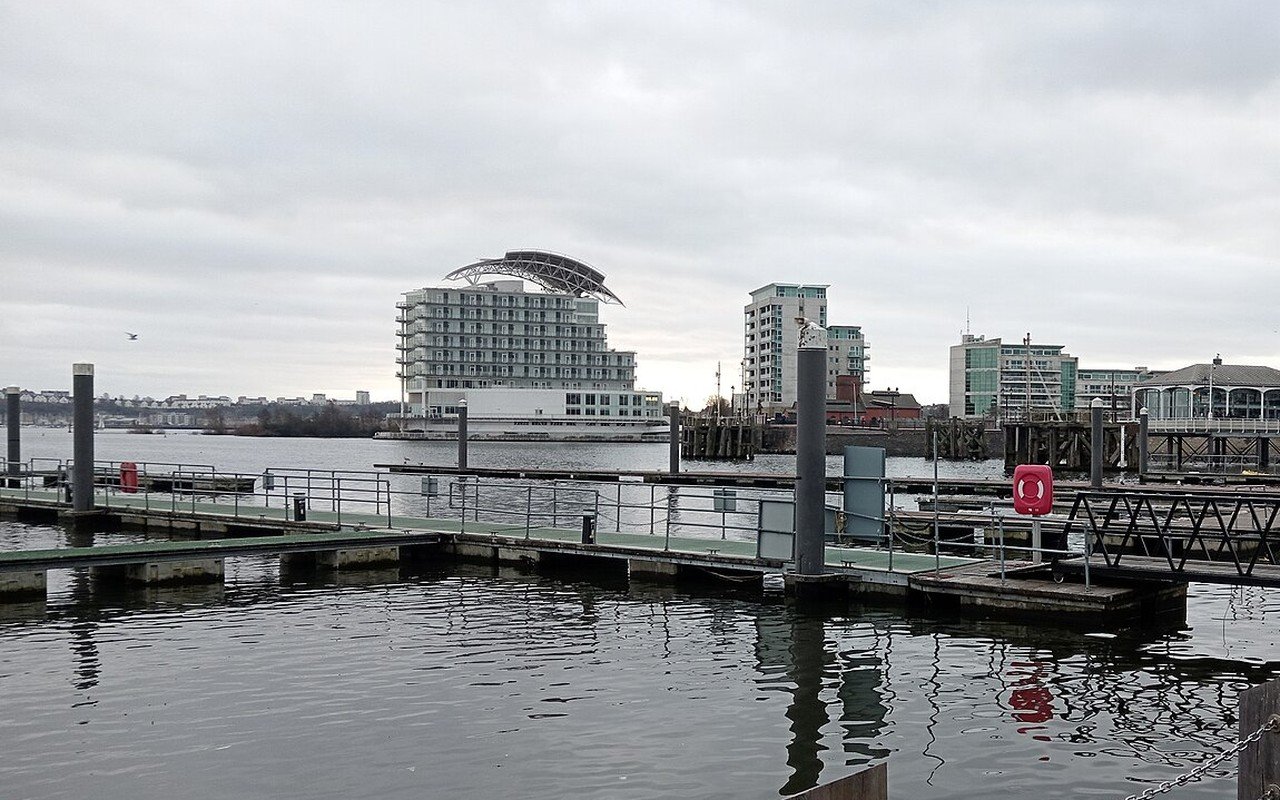
The Technology and Construction Court has refused to strike out Taylor Wimpey UK's Defective Premises Act claim over Victoria Wharf. Its parent's claim failed as statute barred weeks before the Building Safety Act extended the limitation period to 30 years, but the subsidiary holds its own cause of action.
Mr Justice Pepperall gave judgment on 7 October 2026 in Taylor Wimpey UK Ltd v Taylor Woodrow Construction and Vinci Construction Holding Ltd [2026] EWHC 2526 (TCC). He dismissed the contractor's application to strike out the claim as an abuse of process.
Taylor Woodrow Construction designed and built Victoria Wharf, a residential development of seven high-rise buildings in Cardiff, for Taylor Wimpey Developments Ltd under contracts executed as deeds. Practical completion of the blocks fell between 11 November 2005 and 3 July 2008. Fire safety defects were identified after the Grenfell Tower fire.
A claim lost on time, then the law changed
Taylor Wimpey Developments, the employer, began arbitration on 2 August 2021, claiming in contract, in negligence and under section 1(1) of the Defective Premises Act 1972. By an award of 12 May 2022 the arbitrator held the contract and statutory claims statute barred, as the law then stood. Section 135 of the Building Safety Act 2022, in force from 28 June 2022, extended the limitation period for existing section 1 claims retrospectively to 30 years. The arbitrator later decided that the employer could not take the benefit, because its claim had already been finally determined, which section 135(6) excludes. The remaining claim in tort was dismissed on 1 March 2024 because no concurrent duty of care was owed.
Taylor Wimpey UK, which has been the employer's subsidiary since December 2007 and holds an equitable interest in the development under a 2007 business transfer, issued its own claim on 28 October 2025. It sues as a person who acquired an interest in the dwellings under section 1(1)(b), and seeks a building liability order under section 130 of the 2022 Act against the contractor's parent, Vinci Construction Holding Ltd.
Separate causes of action
The contractor argued that the group was relitigating a claim already taken to a final award, and that the action was a collateral attack on the arbitrator's decisions. Mr Justice Pepperall rejected both arguments, holding that a builder in breach of section 1 is liable to the employer under section 1(1)(a) and also to those who later acquire an interest under section 1(1)(b). The subsidiary had its own cause of action, was not a party to the building contract or the arbitration, and could not have insisted on joining it. The judge found no privity of interest between the two companies on the claims each brings, close as they are.
He also gave weight to the fact that the employer's statutory claim was never decided on its merits. It failed on a limitation defence that is not available in the new proceedings, and the arbitration had focused on design rather than workmanship and materials.
Parliament determined that the time for bringing a claim in respect of an existing cause of action under the DPA should be extended retrospectively to 30 years. Prejudice caused by the delay expressly countenanced by Parliament cannot justify striking out a claim that has been brought well within that very long limitation period.
Mr Justice Pepperall, Technology and Construction Court
The judge added that striking out the claim would not stop individual leaseholders from bringing their own claims under the Act. He declined to deal with the separate argument about the building liability order against Vinci by way of summary judgment, because no application under Part 24 was before him.
Here the section 135(6) bar on the parent's finally determined claim did not reach the subsidiary's separate section 1(1)(b) claim.
For contractors and their parents facing remediation claims on older residential schemes, an award against one company in a developer group will not necessarily close the door on the rest of it.