
Technology and AI
A Chinese cloud region has opened in Brazil with two availability zones, and the operator will not say where the buildings are
By Staff Writer | 29 August 2026
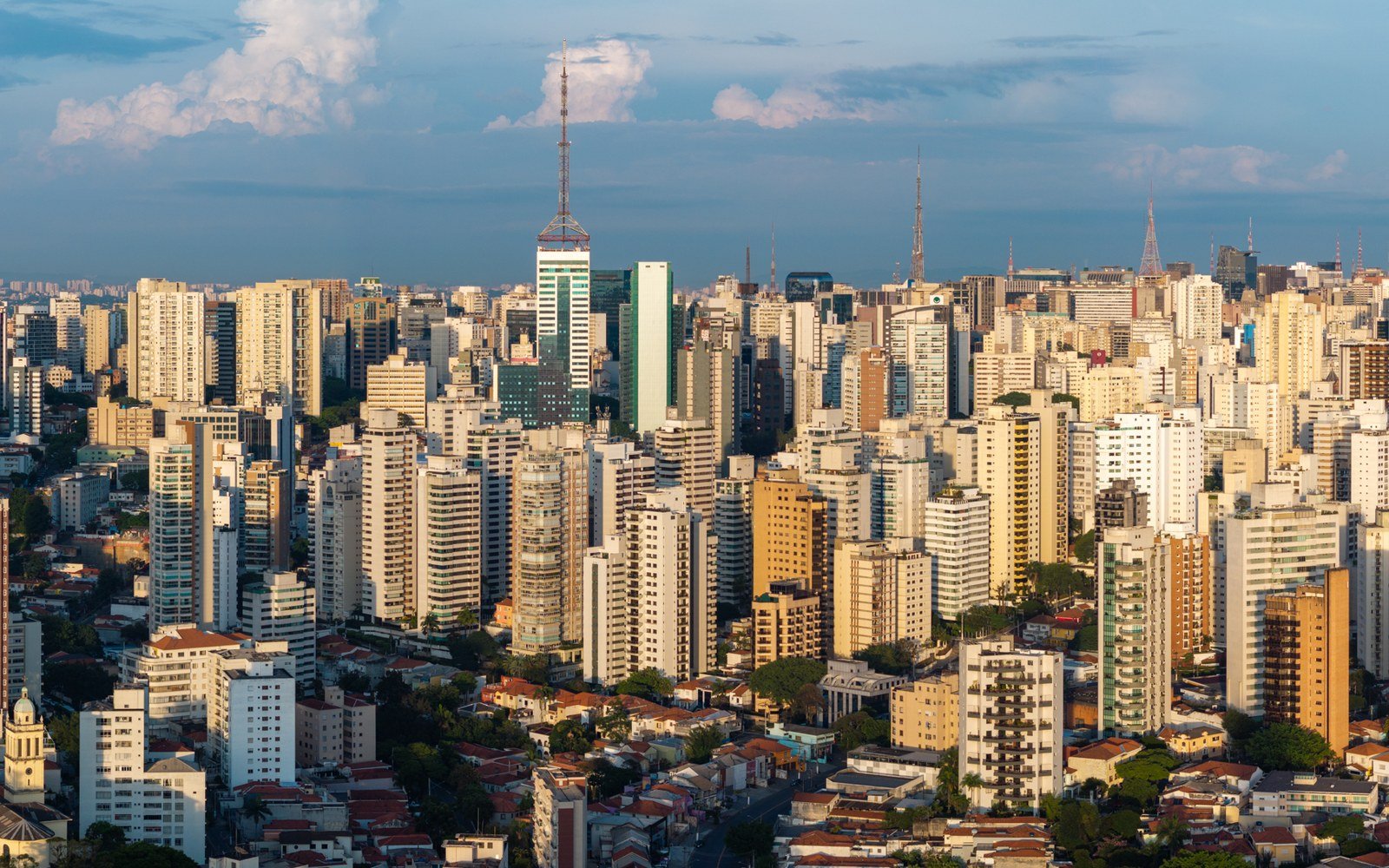
Alibaba Cloud has launched its first region in South America and its second in Latin America, taking it to 106 availability zones across 31 regions. Earlier reporting placed at least part of the capacity with a colocation operator in the interior of Sao Paulo state, and that operator has not confirmed it.
Treat the announcement as two separate things, because they are. The first is a cloud region going live in Brazil with two availability zones, offering the usual catalogue of compute, storage, container, networking, security, database and cloud native services to customers in South America, with agentic services promised rather than delivered. The second is a physical estate: two availability zones means at least two buildings, with power, water, a grid connection and a planning history, and nobody has said publicly where they are.
That second part is where a construction reader should be looking. Earlier reporting placed at least some of the capacity in facilities operated by Ascenty in the interior of Sao Paulo state. Ascenty has not confirmed it. The cloud operator has not identified the buildings either. This is the ordinary pattern for a colocation backed region, and it is why counting announced regions is a poor guide to how much concrete has been poured and by whom.
The numbers on the record
The operator now runs 106 availability zones across 31 regions worldwide, with recent additions in France, Japan and South Korea. Its Mexican region, opened in February 2025 with a single availability zone, is being expanded. Brazil arrives with two zones from the start, which is a statement about expected demand rather than about anything already built out.
Brazil is one of the world's most dynamic digital economies and a new market central to Alibaba Cloud's expansion in Latin America.
Allen Guo, General Manager for Latin America and Vice President of International Business, Alibaba Cloud Intelligence
Why the location silence matters
Because everywhere else in the world, data centre capacity is now consented against local resistance about the two inputs a region announcement never mentions. Australia settled national standards for exactly those inputs this week, covering energy, water, land use and community consultation, after two states refused to be tied to new renewable generation. Projects in the United States worth tens of billions have been blocked or held up this year over grid strain and water in dry places. Brazilian capacity will be consented under Brazilian rules, but the questions asked of it will be the same ones, and a region that is announced without an address is a region whose local hearing has not happened yet.
There is a second reason to note it. A Chinese hyperscale region in South America sits inside a wider contest over where sovereign and enterprise workloads are allowed to run, and where they physically sit is the fact that decides how any data localisation rule applies to them. An operator that will not name the site has not answered the only question a regulator will eventually ask.
The catalogue is live. The buildings are not on the record. Those are different achievements and they should not be reported as one.