
World News
A burst dam on the Tibet side halts the Nepal flood rescue as the toll passes 500
By Staff Writer | 29 August 2026
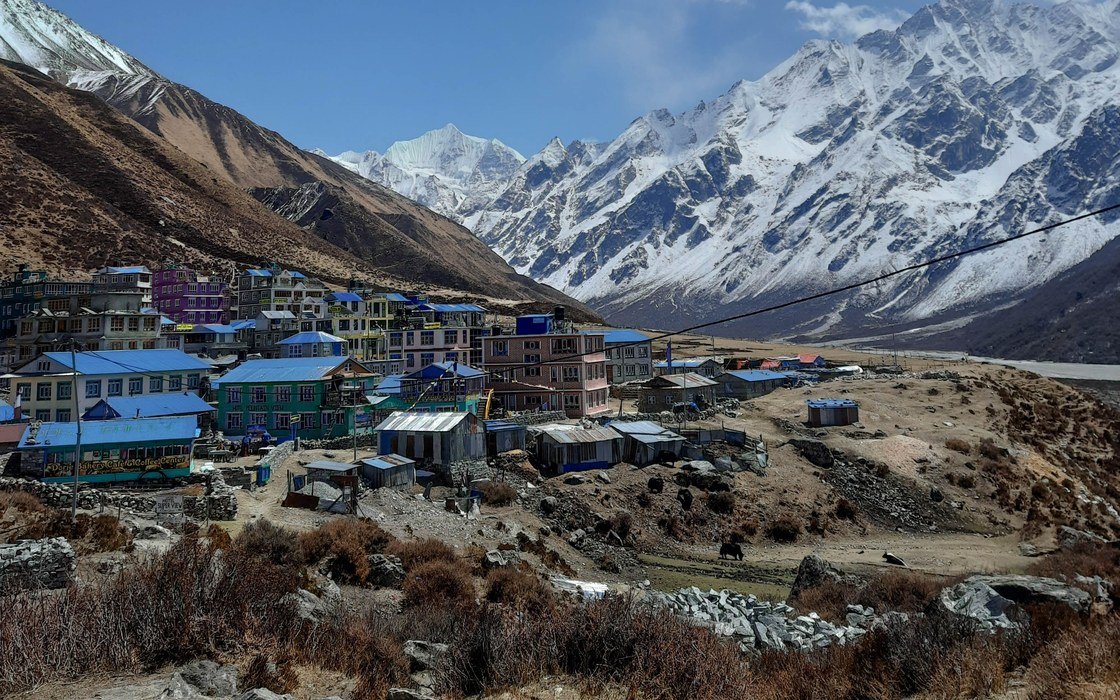
Nepal police issued a fresh alert on Friday after being told a dam upstream had given way. Rescuers were still working to reach men trapped inside a hydropower tunnel at Rasuwa.
Nepal police issued a fresh warning on Friday after receiving information that a dam on the Tibet side of the border had burst. Security personnel and relief workers were told to stay on high alert and to move to safety at once if it became necessary. Whether the reported burst is connected to the barrier lake that formed after Wednesday's collapse, higher up on the Chinese side of the range, was not established on Friday by either government.
The death toll passed five hundred the same day. Nepal's National Disaster Risk Reduction and Management Authority put it at 538. Nepal Police put it at 547. Neither body reconciled the difference. The authority said the number missing remained at 977, that 3,742 people had been rescued, of whom 3,253 were lifted out by helicopter, and that 14,829 security personnel had been mobilised. The Chinese state broadcaster said five people had died on the Tibet side and 558 remained missing there.
A lake nobody built
The barrier lake is the immediate danger and it is not an engineered structure. It was made on Wednesday by the debris of the collapse itself, and it was already overflowing before Friday. The Chinese state broadcaster put it at 2,950 metres, more than ten kilometres from the border crossing at Gyirong Port and roughly a thousand metres above it, and said the risk of flooding remained high. Rescue work at the epicentre on the Tibet side was stopped because of it.
A debris dam has a crest, a pool behind it and a head. It has no spillway, no outlet works, no instrumentation and no design flood, and nobody knows what it is made of. That is why the response on both sides of the border has moved from search to evacuation while the water is still rising.
Inside the tunnel
Army rescuers spent Friday trying to reach men trapped in a hydropower tunnel in Rasuwa, part of the Upper Trishuli-1 scheme. Video from the site showed a man caked in mud being half pulled and half pushed clear of the opening. Probably dozens were still inside.
It is complicated to find the entry and exit points of the tunnel because everything has been covered by mud
Brigadier General Raja Ram Basnet, spokesman for the Nepali Army
He said the effort remained on the living rather than on the recovery of bodies, and that reaching those still stranded came before everything else.
The cause is now settled and it was not an earthquake. Scientists who examined satellite imagery concluded that the bedrock beneath a glacier high in the range gave way, taking part of the glacier with it. The rockfall was violent enough to register as a magnitude 5.2 event on seismic instruments. Rock and meltwater then loaded the rivers in the valleys below and carried away buildings, bridges and ground on both sides of the border.
Nepal's tourism board said more than five hundred foreign nationals were among the missing. About ninety Americans were unaccounted for. Some of the missing are thought to have been on the pilgrimage route to Mount Kailash in Tibet. Seven bodies were recovered from rivers on the Indian side of the border on Thursday and Friday, four in Maharajganj district and three in Kushinagar, about seventy kilometres downstream of the frontier. They are not counted in the Nepali toll.
The rescue is running under a warning it cannot answer. There is water above the search, held back by material that arrived on Wednesday, and no one can say for how long.