
Tech and AI
Excavators are digging with the cab empty on live American infrastructure sites
By Staff Writer | 23 August 2026
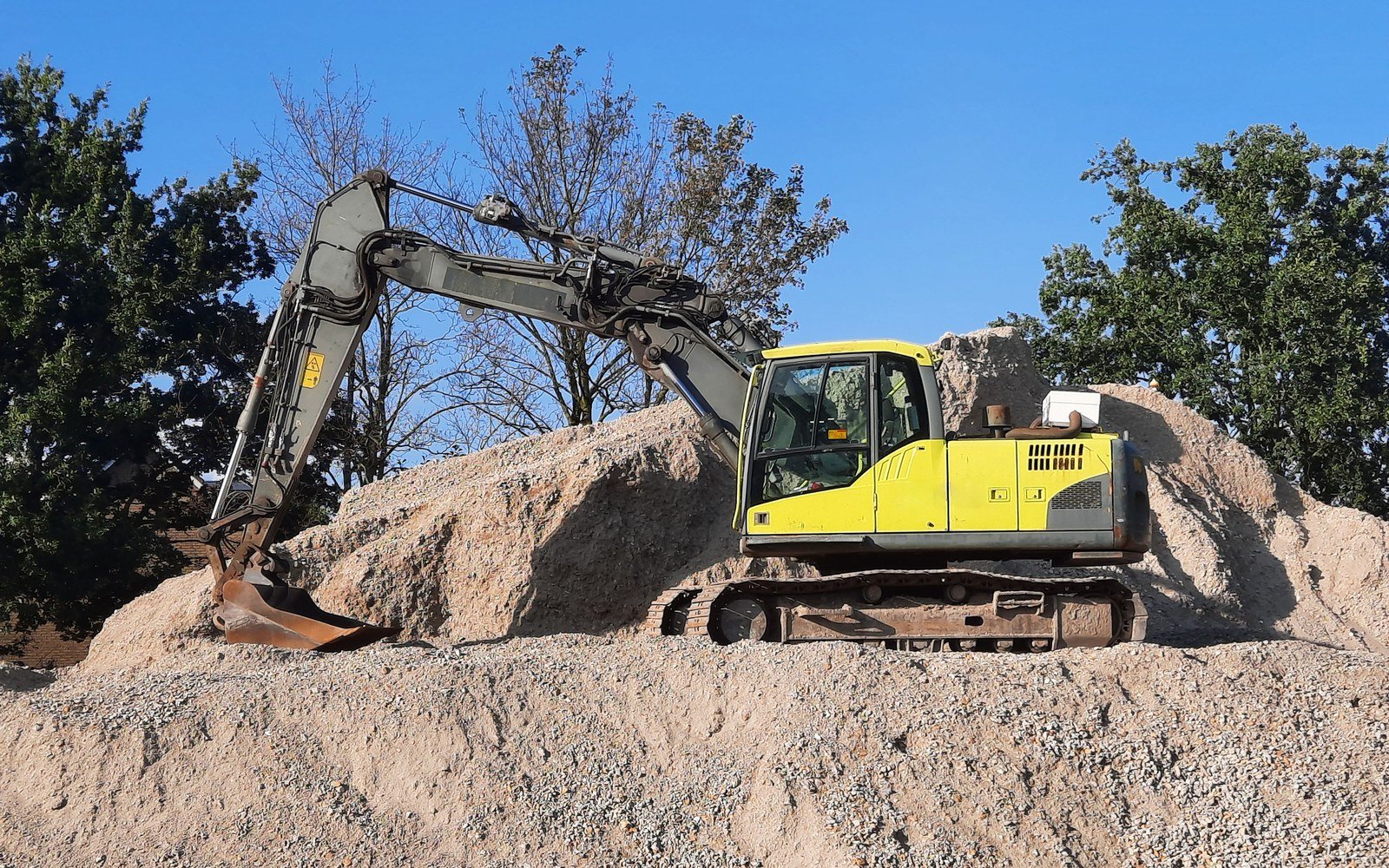
A year of supervised testing has ended and the operator has come out. Earthwork is the phase every other trade waits on, and it is the one contractors can least reliably staff.
Excavators fitted with a retrofit autonomy system are now working on their own on live commercial sites in the United States. The developer, Bedrock Robotics, announced the change on 17 August and named three of the projects: a water treatment facility in Nevada with Sundt Construction, a civil sitework project of 1.2 million cubic yards with Zachry Construction Corporation, and a multi-million cubic yard earthwork site in Texas with Champion Site Prep. It says a full year of testing on active job sites under human supervision came first.
The physical economy is the next great frontier for machine learning
Boris Sofman, Chief Executive and co-founder of Bedrock Robotics
The system is a retrofit rather than a new machine. A sensor and computing package is fitted to an existing excavator in a same-day installation that the company says requires no permanent alteration to the machine. A site manager sets the plan, and the machine then perceives, plans its motion and carries out the task. The company was founded in 2024 in San Francisco and says it has raised 350 million dollars to date, with fifteen general contractor partners working across 23 states.
Why the excavator first
The choice of machine is the commercially interesting decision. An excavator is about 25 per cent of a contractor's fleet and takes five years or more to master, which makes it the hardest machine on a site to staff predictably with skilled operators. It is also the machine that sets the programme, because until the earthwork is finished, the concrete, the steel, the mechanical and the electrical cannot start.
Anything that makes the duration of the earthwork phase more predictable changes the risk profile of everything sequenced behind it, which is most of the job.
Our partnership with Bedrock Robotics is helping us tackle some of the challenges that matter most in construction: making schedules and costs more predictable, getting more consistent use out of our equipment, and allowing our skilled crews to focus on the work where their experience matters most
Cade Rowley, Chief Executive of Sundt Construction, Inc.
Operating without a barrier
The safety claim is the part a contractor should read closely. The machines are said to work in normal site conditions alongside other plant and to need no operational barriers, stopping automatically when a person or an unauthorised object comes too close and restarting once the area is clear. That is a different proposition from a fenced exclusion zone, and it is the proposition that decides whether autonomous plant can share a working face with a gang rather than occupy a sterile compound of its own.
None of that has been tested against a British site rulebook. The deployments are American, the claim is the developer's own, and no independent verification of the stopping behaviour was available to us. What can be said is that the company has moved from supervised trials to operator-out working, and has named the contractors on whose sites it has done so.
The questions it leaves for a contract
For anyone pricing or administering work of this kind, the interesting questions are contractual rather than technical. If the plant is retrofitted rather than owned outright as an autonomous unit, who holds the risk when it stops: the hire company, the contractor, or the party that wrote the site plan the machine is executing. If output improves, whose gain is it under a target cost arrangement, and if the machine sits idle because the plan was late, is that plant standing time or a design delay.
Programme is where this lands first. An employer told that earthwork is now a more predictable operation will want the float that comes with it, and a contractor who has bought the equipment will want to keep it. That argument is better had in the tender documents than in the extension of time claim, because the machine has removed exactly the excuse that used to settle it, which was that you cannot get the operators.