
Tech and AI
Nvidia takes a minority stake in the developer that assembles the land and the power for AI data centres
By Staff Writer | 23 August 2026
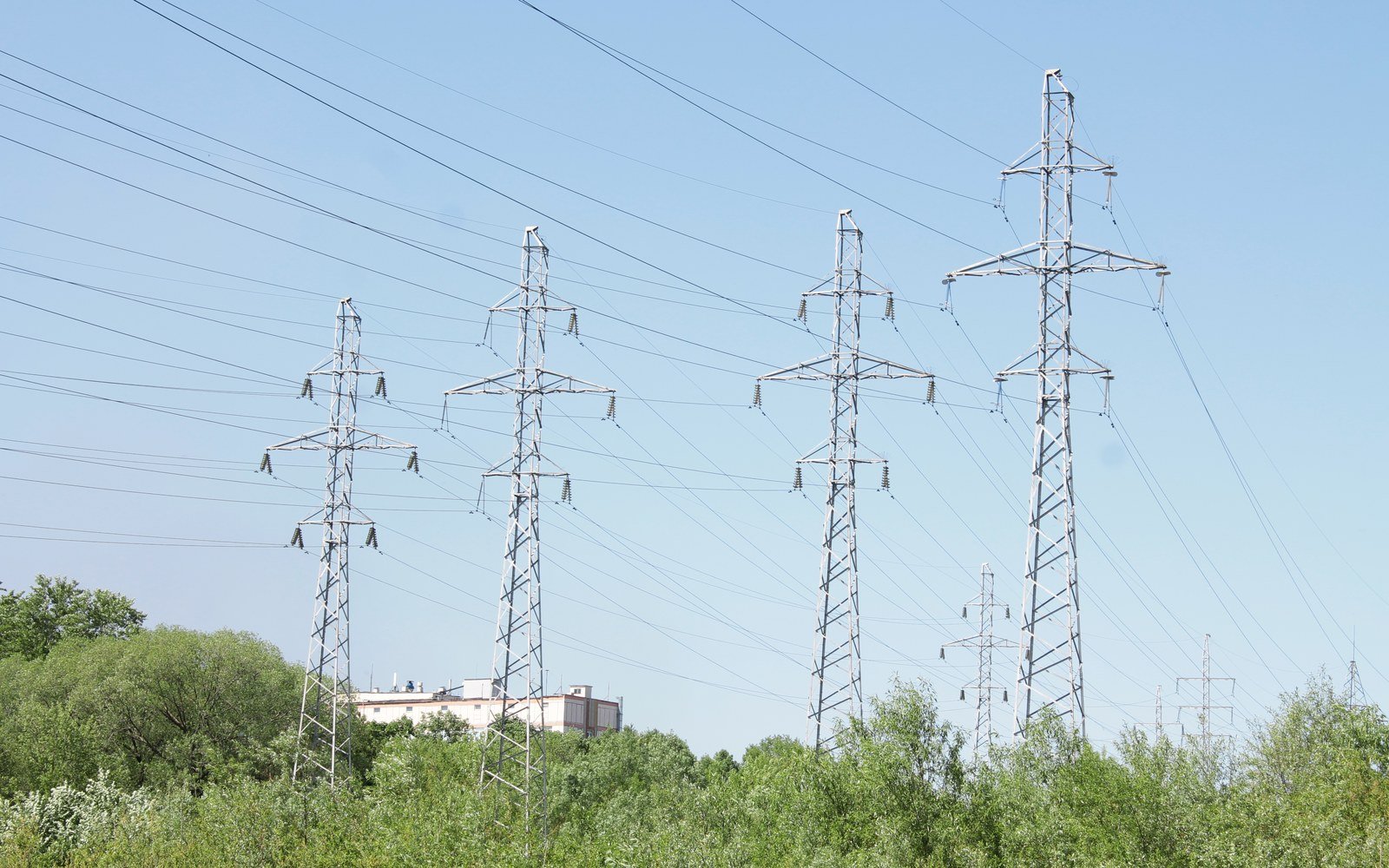
The chip maker has bought into a site developer rather than a cloud operator. What it is buying is powered ground, which is the part of the build that cannot be accelerated.
Nvidia has taken a minority stake in Cloverleaf Infrastructure, a developer formed in 2024 that does none of the computing and all of the groundwork. Cloverleaf assembles land, negotiates the grid connection with the utility, and delivers a serviced site to the companies that then put the machines in it. Terms were not disclosed by either side.
AI factories are the infrastructure of the intelligence age, and land, power and shell are their foundation
Nico Caprez, Vice President of Global AI Infrastructure Growth at Nvidia
That sentence is the whole reason for the deal. A chip maker can only sell as many processors as there are buildings ready to receive them, and the buildings can only go where there is power. The developer says it has delivered several gigawatt scale sites across North America since it was formed, with initial backing from two energy focused investment firms.
Designing the power in at the start
As part of the arrangement, Cloverleaf will build to the chip maker's own data centre specification, which sets out how much power, cooling infrastructure and floor area a given quantity of computing requires. The stated aim is to settle the site, power, cooling and facility decisions together at the design stage rather than discovering the conflict between them on site.
AI is accelerating demand for digital infrastructure at an unprecedented scale and driving strong economic development opportunities for American communities
David Berry, Co-Founder and Chief Executive of Cloverleaf Infrastructure
The specification also covers curtailment, so a site can wind its computing load down when the grid is under strain and pick it up again afterwards, or shift onto generation and storage held on the site itself.
What it says about the buildings
The generation of hardware now going in cannot be air cooled in the densities buyers want, so liquid cooling is no longer an option on a specification but the basis of the building. Liquid cooled racks are heavier, denser and hungrier than the halls most operators already own, which pushes the structural loading, the plant space, the pipework and the electrical distribution into a different class of building. An operator holding a portfolio of older air cooled halls does not have capacity for this equipment. It has capacity for a refurbishment.
For the construction side, the interesting part of this deal is not the money. It is that a hardware manufacturer has concluded that the shell and the connection are the binding constraint and has bought into the party that controls them. That is a statement about programme risk, and it points at the same place every data centre programme is currently stuck: the utility connection date, which no contractor controls and no amount of preliminaries will move.
Anyone pricing this class of work should read the design specification as a technical standard incorporated into the contract, because that is what it will become. It fixes power, cooling and space against a computing figure that the employer will keep changing as the hardware changes. A specification that moves with the client's product cycle is a variations argument waiting to happen, and the time to deal with it is in the change control provisions rather than in an adjudication two years later.