
Milestone
National Grid passes halfway on Thames cable tunnel drive
By Staff Writer | 21 August 2026
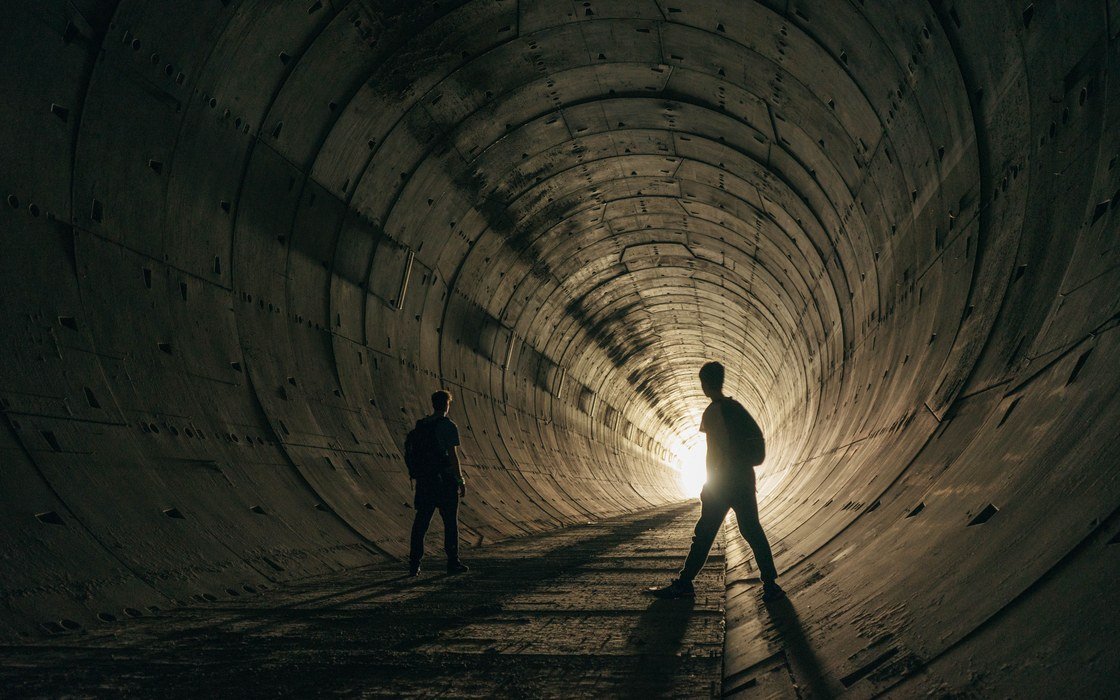
National Grid said on 21 August 2026 that the tunnel boring machine Caroline has passed 1.1km beneath the River Thames, taking the new 2.2km cable tunnel between Tilbury in Essex and Gravesend in Kent past its halfway point. The Grain to Tilbury project is being delivered by National Grid with Ferrovial BEMO JV and the tunnelling specialist Herrenknecht.
The tunnel replaces the existing Thames Cable Tunnel, which the company says has been in service since the late 1960s and is approaching the end of its operational life. The scheme sits within the programme of transmission work National Grid calls The Great Grid Upgrade. The company describes the purpose as strengthening the electricity network and supporting the connection of further generation to homes and businesses.
The announcement publishes the production record rather than a price. Since tunnelling began in May, more than 40,000 tonnes of material have been excavated and over 5,100 pre-cast concrete tunnel segments have been installed to form the lining. Just over 840 rings have been built, and the best daily performance recorded so far is 29 rings installed within a twenty four hour period. No contract value is published for the tunnelling works and none is estimated here.
The machine itself is described as weighing 464 tonnes with its trailing gear and as excavating with a Mixshield system, which is a closed face method used where ground and water pressure have to be balanced at the face. It is named after the electrical engineer Caroline Haslett. The company records that the milestone follows the use of Verena, described as Europe's largest diameter vertical shaft sinking machine, to build the tunnel access shafts at Tilbury and Gravesend.
Mark Farmer, Project Director at National Grid, said: "The progress made so far reflects the dedication of everyone involved and moves us a step closer to delivering infrastructure that will help strengthen the electricity network and support Britain's future energy needs."
Borja Trashorras, Project Director at Ferrovial BEMO JV, said: "We're proud of the progress made so far and remain focused on carrying that momentum forward as Caroline continues her journey towards a breakthrough later this year."
What the practitioner should take from this
The first point is that rings are the unit of account on a bored tunnel. Programme, cost recovery and any later delay analysis all run off the ring count, because the ring is the only output that is unambiguously complete or not complete. An announcement that publishes rings installed, tonnage excavated and a best daily rate is publishing the raw material of that analysis, and anyone advising on a tunnel drive should be collecting the same three figures daily whether or not the client ever prints them.
The second point is the difference between a best day and a sustained rate. The company publishes a best daily performance of 29 rings and does not publish an average. The two are not interchangeable, and a programme built on a peak rate rather than a sustained one is the most common source of tunnelling delay disputes. Nothing in the announcement allows an average to be worked out, because the start of tunnelling is given only as May, so no rate is calculated here.
The third point concerns ground conditions. The company says the machine was designed to operate in the conditions beneath the river. Where a closed face machine is specified for known conditions, the contractual question that follows is who carries the risk if the ground encountered differs from the ground described in the tender documents. That allocation, and the baseline against which difference is measured, is ordinarily settled before the drive rather than during it, and it is worth checking which document holds the baseline on any scheme of this kind.
The fourth point is that this is a replacement rather than a new connection. An asset described as nearing the end of its operational life continues to carry load while its successor is built, so the sequence has an interface with an operating network that a greenfield tunnel does not. Outage windows, energisation dates and the transfer of circuits are programme constraints in their own right and are frequently the critical path rather than the excavation.
The fifth point is the breakthrough date. A named project director has said on the record that the breakthrough is expected later this year. That is a published expectation from an identified person rather than a contractual date, and it should be treated as such. No contract sum, completion date or energisation date is published in the announcement, and none is inferred here.