
Middle East Business
Handover starts on 892 villas and town houses at Jebel Ali Village
By Staff Writer | 20 August 2026
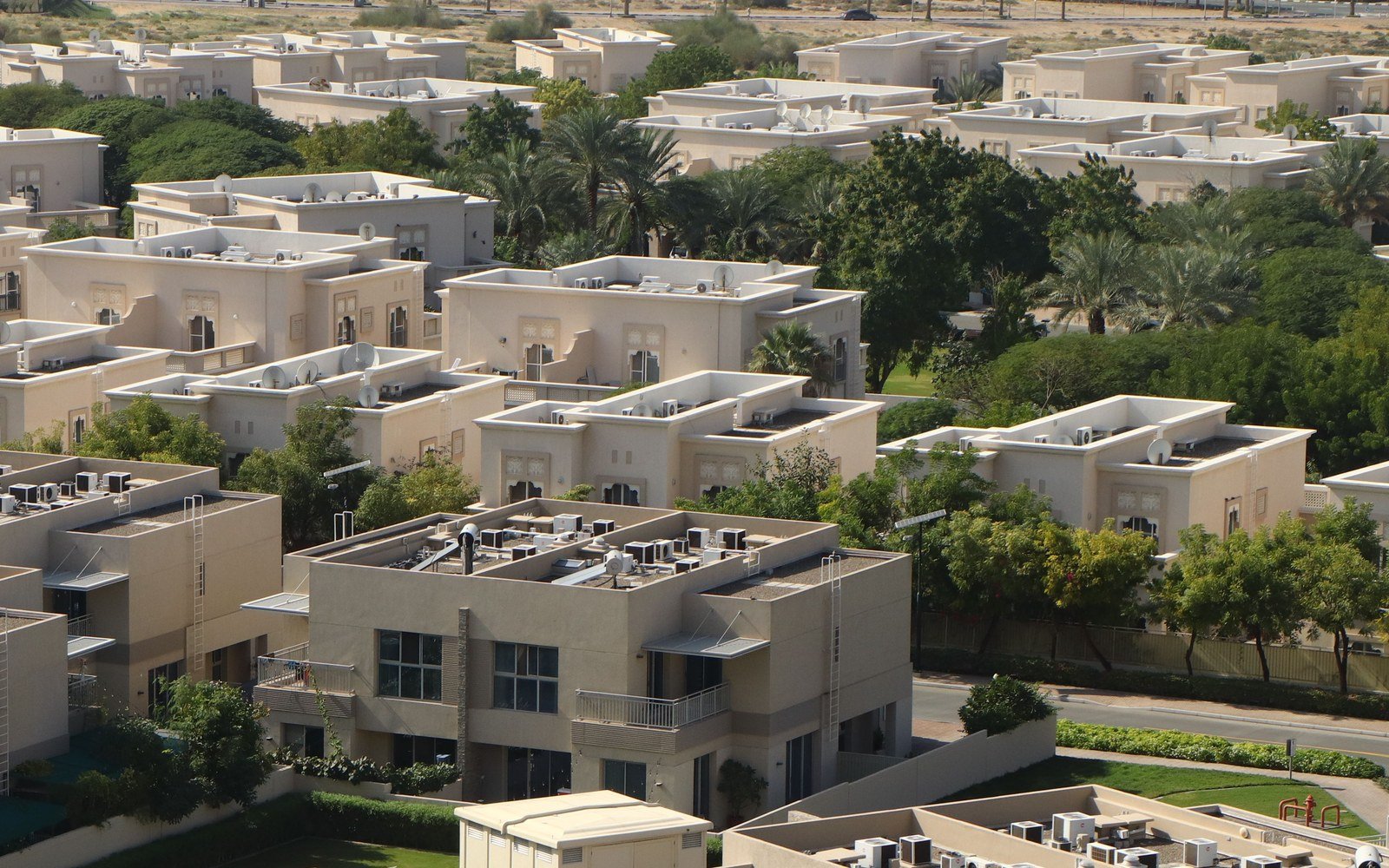
Residents have begun moving into the 80 hectare Dubai community after residential construction and core infrastructure were completed, four years after the 290 homes that stood on the site were demolished.
Nakheel, part of Dubai Holding Real Estate, has started handing over 892 villas and town houses at Jebel Ali Village, the developer announced on 17 August. The community sits beside Sheikh Zayed Road near Ibn Battuta Mall and Discovery Gardens Metro Station, and is expected to house about 5,500 people.
Handover follows completion of the residential construction and of the core infrastructure serving it. The development is laid out at low density around parks, walking and cycling routes, sports facilities, children's play areas, a community pond and swimming pools within each residential cluster.
This milestone marks an important step in welcoming families to a new chapter for one of Dubai's most established residential destinations.
Khalid Al Malik, Chief Executive Officer of Dubai Holding Real Estate
What is finished and what is not
The developer has said that further amenities will open as part of continuing works, including a community centre with retail space, a clubhouse, a gym, padel courts and event lawns. So the site passes into occupation with the houses and the networks that serve them complete, and with a second tranche of social and retail buildings still to be delivered around occupied streets.
The town houses measure 268 square metres to 315 square metres. The villa element consists of four and five bedroom homes, with an average plot area of 641 square metres for a four bedroom property and 706 square metres for a five bedroom home.
Jebel Ali Village is a redevelopment rather than a new settlement. The 290 houses previously on the site were demolished in 2022, after tenants were served with twelve months' notice to vacate.
Why a phased handover matters to the supply chain
A handover of this size is rarely a single event, and the sequence in which it happens shapes the risk carried by everyone still on site. Three points follow for anyone administering the remaining packages.
The first is access. Once families are in, the contractor building the clubhouse, the retail units and the event lawns is working within a live residential community rather than a closed site. Working hours, noise, dust, hoarding lines and haul routes are then governed by what the occupied streets will tolerate, not by what the programme assumed. Where a contract fixes a completion date for those later buildings without addressing possession of a partly occupied site, the party bearing the delay risk is usually the one that has to ask for the road.
The second is the defects position. Taking over 892 units in tranches sets 892 separate clocks running, and the defects liability period for a house handed over in the first tranche expires before that of a house handed over in the last. Records that identify the unit, the date of taking over and the state of the snagging list on that date are what make a later claim answerable. Where they are kept by street rather than by plot, they are not.
The third is the boundary between building work and estate management. Once occupation begins, faults reported by residents arrive through the community management route rather than through the contract administrator, and they arrive mixed together: genuine defects, damage caused after handover, and items that were never in the scope. Sorting them is cheap while the site records are current and expensive once they are archived.
Nothing has been published about the contractual arrangements for the amenity buildings still to come, and none of the three accounts of the handover names a main contractor for any part of the scheme.