
World
Yemen's armed forces promise a response after six missiles hit the port of Mokha
By Staff Writer | 16 August 2026
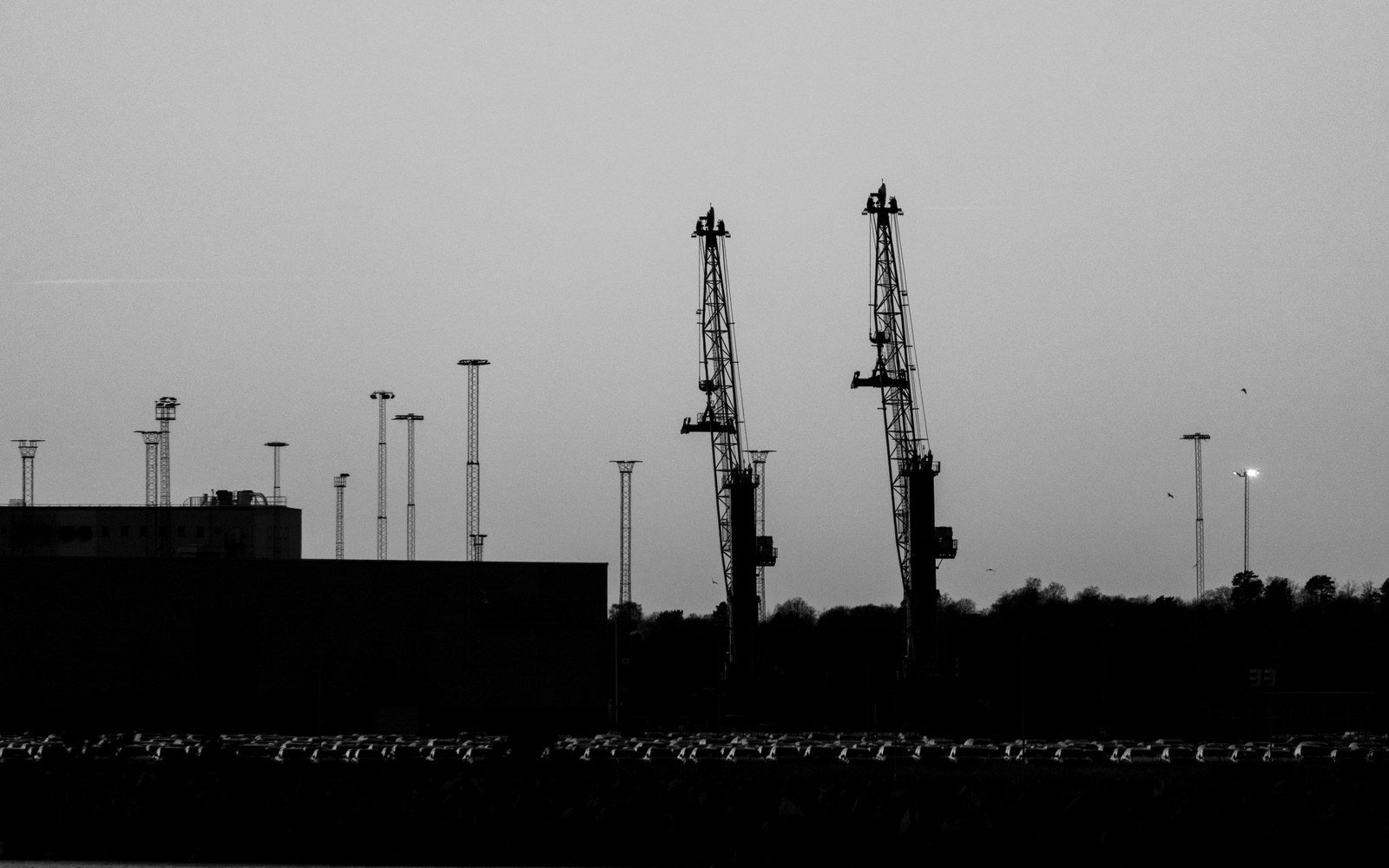
The government says the Friday evening salvo struck a civilian facility and maritime installations on the Red Sea coast. Its casualty count has moved from four to eight over two days.
Yemen's armed forces said on Saturday that they would answer a ballistic missile attack on the Red Sea port of Mokha, after six missiles were fired at the town on Friday evening in an attack the government attributes to the Houthi movement.
The targeting of Mokha Port with six ballistic missiles on Friday evening will not go unpunished and will be met with a deterrent and tough response commensurate with the scale of the threat and the crimes committed
Colonel Majed Al-Nazili, spokesman for the Yemeni armed forces
The spokesman said the armed forces would go on working to protect Yemenis, the country's resources, its territorial waters and its economic interests. He said the movement should not be permitted to turn civilian facilities or Yemeni interests into targets.
The figures, and who issued them
The casualty count has moved. On Friday the government put the toll at four civilians killed, with a port security guard among the dead, eight civilians wounded and two sailors unaccounted for. By Saturday the armed forces were stating eight killed. Both figures come from the internationally recognised government and are attributed to it here; no independent count has been published.
Government aligned forces said the salvo struck a civilian facility together with economic and maritime installations, and that several fishing boats caught fire. The Houthi movement has confirmed firing ballistic missiles and says it was aiming at a build up of weapons and warships. Those are two claims about the same event, made by the two parties to it.
Why a small port matters here
Mokha sits on the Yemeni side of the Red Sea approach to the Bab al-Mandeb strait, the southern gate of the route between the Suez Canal and the Indian Ocean. It is not a container hub. It handles fishing, coastal traffic, fuel and relief cargo for the western governorates, and it is one of the few working quays on that coast still under government control.
A port put out of action on that stretch does not divert cargo to the port next door, because there is no port next door. The alternative is a longer land haul on roads that are themselves contested.
Attacks on Mokha and on shipping around Bab al-Mandeb have been running for a fortnight. Underwriters have been repricing the passage through the strait for longer than that, and every incident inside the approach feeds directly into war risk premiums on hulls, cargo and crew for the whole Red Sea leg.
What it costs anyone pricing work
For a contractor with materials moving between Europe and the Gulf or East Africa, the effect arrives in the delivered price rather than in the headlines. A vessel that will not enter the strait routes around southern Africa instead, adding sea days to every sailing, and the war risk premium sits on top of that. Neither cost shows up in a quoted commodity price.
The armed forces have not said what form the response will take or when. What is confirmed is the date of the attack, the number of missiles the government says were fired, and that the government's own casualty count doubled inside two days as assessment continued.