
World
Eleven killed in strikes on two southern Lebanese villages as both sides talk up the talks
By Staff Writer | 16 August 2026
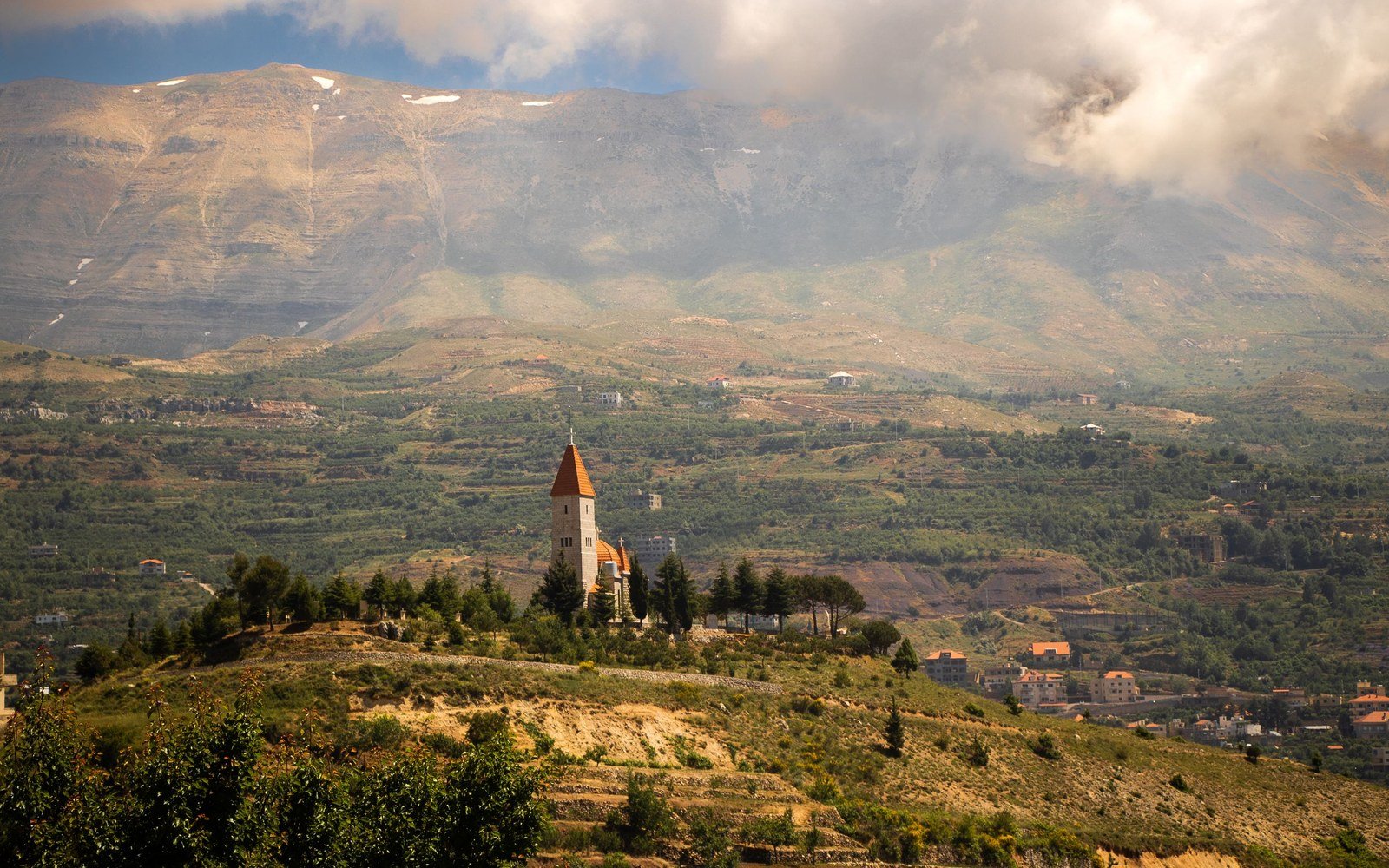
Lebanon's health ministry gave the toll for Ansar and Deir al-Zahrani. The Israeli prime minister's spokesman said the strikes should make the American brokered negotiations more serious rather than less.
Eleven people were killed in Israeli strikes on two villages in southern Lebanon on Saturday, the Lebanese health ministry said, in the heaviest single day of casualties since the truce between Israel and Hezbollah took effect on 20 June.
The ministry said a strike on a house on the edge of Ansar killed seven people, three of them children, and wounded two. A second strike, on Deir al-Zahrani, killed four and wounded seventeen. Those figures are the health ministry's own and are attributed to it.
The Israeli military said it had struck Hezbollah infrastructure overnight inside what it describes as a security zone in the south, in response to an attack on its soldiers. The prime minister's office said three Israeli soldiers were seriously injured in that attack. Israel said it then struck a headquarters of Hezbollah's Radwan force and killed a commander, Ali Samir Al-Hajj Hassan, and acknowledged that members of his family were present.
Both sides say the talks continue
The striking party's stated purpose was not to end the negotiations but to change their tempo.
should jumpstart the talks and make them much more serious, not do the opposite
Doron Spielman, spokesman for Prime Minister Benjamin Netanyahu
The spokesman said Israel continues to stand behind the American brokered agreement, under which the Lebanese Armed Forces take gradual control in the south, and said he hoped those forces would be able to step into the role. Hezbollah said the attacks would be met with what they deserve, and its leader had already rejected the current framework after seven rounds of discussion.
Seven rounds have produced a document that one party says needs to become more ambitious and the other has declined to accept. The strikes are being presented by the party that carried them out as pressure applied inside a negotiation, not as its collapse.
What the truce was meant to do
The 20 June arrangement set out a phased handover in which Lebanese state forces assume responsibility for the area south of the Litani and Hezbollah withdraws from it. The pace of that handover is the substance of every round held since. Saturday's strikes were the first to produce a double figure civilian toll since the arrangement began, which is why the health ministry's count carries weight beyond the two villages.
The future of the international force stationed in southern Lebanon is under discussion at the United Nations, where several member states have urged that it remain in place through the handover period.
Where this sits
Two things are established: eleven people are dead, on the health ministry's count, and the negotiations have not been called off by either party. Everything between those two facts is a claim by one side or the other about who struck what and why, and it is reported here as such.
The next round has no announced date. What each side has said in public about wanting it is now on the record alongside what happened on Saturday morning.