
Middle East Industry
Ten agreements commit RO 15 million to making electrical transformer parts in Oman
By Staff Writer | 16 August 2026
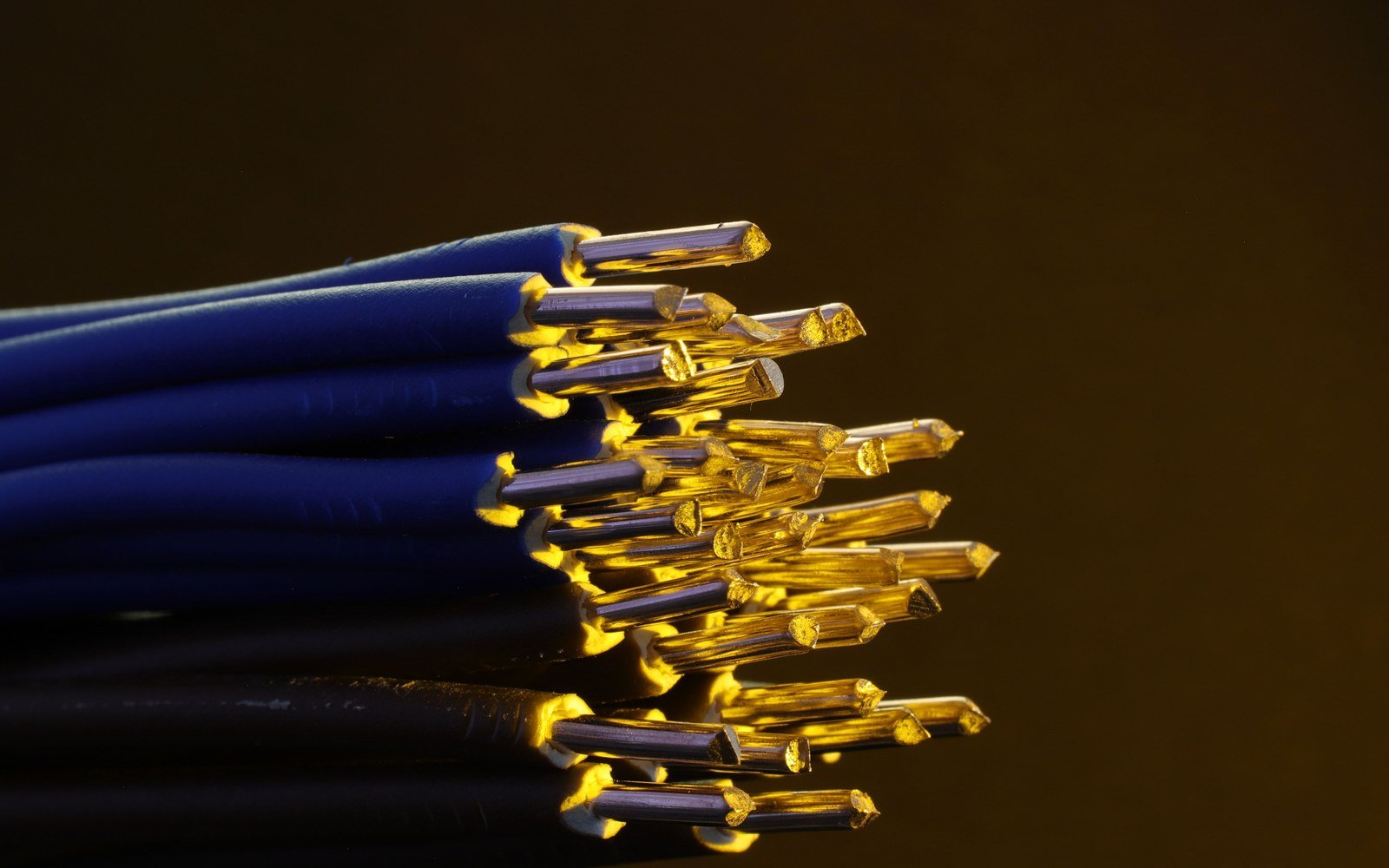
Seven new factories and two additional production lines will make ten components used in electrical transformers, on a combined 34,000 square metres, with commercial production due in 2027 and 2028.
Ten agreements were signed in Muscat on 12 August to localise the manufacture of components used in electrical transformers, with expected investment of about RO 15 million. Four were signed with Omani small and medium enterprises and six with local and international companies. The agreements were made under an initiative run by the Authority for Public Services Regulation in cooperation with Voltamp Energy.
Seven new factories will be built to make eight components, and new production lines will be added at two existing factories to make a further two. The authority puts the combined proposed area at about 34,000 square metres. Commercial production is expected to begin across 2027 and 2028.
an investment in people before it is an investment in industry
Dr Mansour bin Talib al Hinai, Chairman of the Authority for Public Services Regulation
What is being localised, and why now
The authority describes the agreements as a step towards turning demand from the electricity sector into industrial capacity inside the country. It states that growth in electricity and energy projects, in transmission and distribution networks, and in renewable generation and green hydrogen schemes is what makes a domestic supply base worth building, and that the aim is to meet part of the sector's requirement from Omani production rather than all of it.
Production starts in 2027 at the earliest. The specific components covered were not itemised in the announcement.
The authority also sets out what it expects beyond the plant itself: employment for Omanis, indirect work in supporting industries and service sectors, higher in-country value, participation by local small and medium enterprises, and transfer of technical capability. The eight components to be made in the new factories, and the two to be added at existing plants, were not individually named when the agreements were signed.
What it changes for a contractor pricing work in Oman
On any scheme where energisation is a completion milestone, the transformer order is one of the items that can decide the programme rather than the civil works, because it is a long lead purchase made early and delivered late. A domestic component base does not by itself remove that exposure, but it moves part of the chain inside the same jurisdiction as the contract, which changes both the delivery route and the law under which a supply dispute would be argued.
The timing matters more than the headline. On the authority's own dates, production begins in 2027 and 2028, so anything being tendered now and delivered before then draws on the same supply arrangements as it does today. A contractor pricing a scheme with an energisation date inside that window has no basis for assuming otherwise, and should say so in its qualifications rather than assume the employer has read the same announcement.
Three things are worth watching. Whether the seven factories reach commercial production on the stated dates. Whether the components made are qualified against the specifications the utilities actually write, because a locally made part that fails a type test is not a local supply. And whether local content requirements begin to appear in tender documents on the strength of it, since a requirement to buy locally from a supply base that is not yet producing is a risk that lands on the contractor rather than the employer.