
Middle East Contracting
Dubai contracting group carries AED 32.5 billion of secured work into the second half
By Staff Writer | 16 August 2026
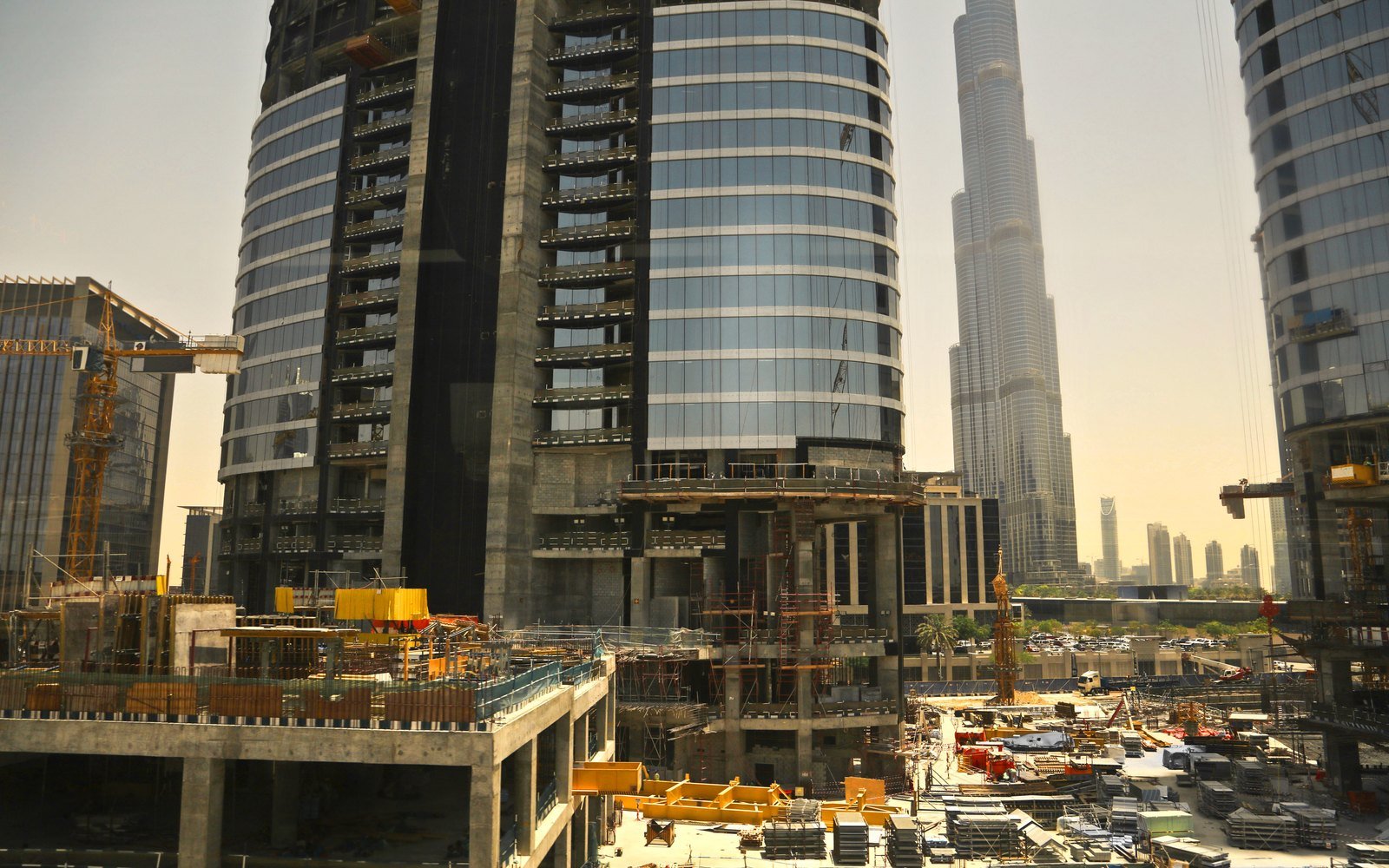
Revenue for the six months to 30 June reached AED 8.99 billion, up 67.6 per cent, with building and construction turnover more than doubling and net profit down to AED 213.8 million.
ALEC Holdings reported its results for the three months and six months to 30 June 2026 in a statement to the Dubai Financial Market on 13 August. Revenue rose 67.6 per cent year on year to nearly AED 9.0 billion for the half year, and 51.3 per cent to AED 4.4 billion for the second quarter. The closing backlog, which the company describes as the estimated revenue yet to be delivered from secured projects, stood at AED 32.5 billion at 30 June.
Earnings before interest, tax, depreciation and amortisation rose 2.7 per cent to AED 440.4 million. Net profit was AED 213.8 million. Cash and bank balances rose to AED 2.4 billion from AED 1.6 billion at 31 December 2025, giving a net cash position of AED 1.0 billion. An interim cash dividend of AED 100 million is payable in October.
Our AED 32.5 billion backlog provides strong visibility over future activity, and we continue to deploy our capacity selectively, prioritising complex, large-scale projects that align with our capabilities and where our integrated platform delivers the greatest value to clients.
Barry Lewis, Chief Executive Officer of ALEC Holdings
Where the turnover came from
Building and construction revenue more than doubled to AED 5.8 billion, a rise of 105.6 per cent, which the company attributes to accelerated execution on several large schemes then in progress. New work signed in the period included the appointment to deliver Sphere Abu Dhabi and three engineering, procurement and construction awards on Das Island for the group's energy services subsidiary, with a combined value the company puts above AED 1.8 billion.
Revenue up 67.6 per cent against earnings before interest, tax, depreciation and amortisation up 2.7 per cent. Volume grew; margin did not follow it.
The energy services business went the other way. Extended stoppages to offshore work curtailed activity in that division during the second quarter while the group continued to carry the cost of idled labour, and the company records that absorption of fixed cost as the reason second quarter profitability fell. Free cash flow to the firm still rose 49.8 per cent year on year to AED 544.8 million, and net cash from operating activities was AED 694.6 million. Capital expenditure stayed below 2 per cent of revenue.
What a backlog of that size signals to the supply chain
AED 32.5 billion of secured work against AED 8.99 billion of half year revenue is a little over eighteen months of turnover already contracted, if the second half runs at the rate of the first. For subcontractors and specialist suppliers in the Emirates and in Saudi Arabia, that is a procurement pipeline rather than a forecast, and the packages behind it will be let over the next several quarters.
The more useful figure for anyone pricing that work is the gap between revenue growth and earnings growth. A contractor whose turnover has risen by two thirds while its operating earnings have moved by under 3 per cent has absorbed cost somewhere, and on the company's own account part of it was standing time on suspended offshore packages. Standing time is the classic disputed head on any works contract: it is rarely recoverable without a contemporaneous record of the instruction to stand down, the resources actually retained and the mitigation attempted. Where a subcontractor has been held on a site that stopped, the record made at the time decides the claim, not the correspondence written afterwards.
The half year to watch
The company describes demand across the Emirates and Saudi Arabia as continuing, naming urban development, aviation, energy, hospitality and digital infrastructure as the sectors behind it. It also says it is deploying capacity selectively rather than taking on volume, which is the language of a contractor rationing tender resource rather than chasing it.
Two things will show whether that holds. The first is whether the second half converts backlog at the same rate without further erosion of margin. The second is whether the energy services division recovers the activity it lost, because the fixed cost sat there through the second quarter regardless of what the offshore programme did. Neither will be visible until the full year figures, but the packages priced between now and then are the ones that will carry the answer.