
UK Construction and Law
Turnover falls 14 per cent at R G Carter as projects fail to reach site on programme
By Staff Writer | 16 August 2026
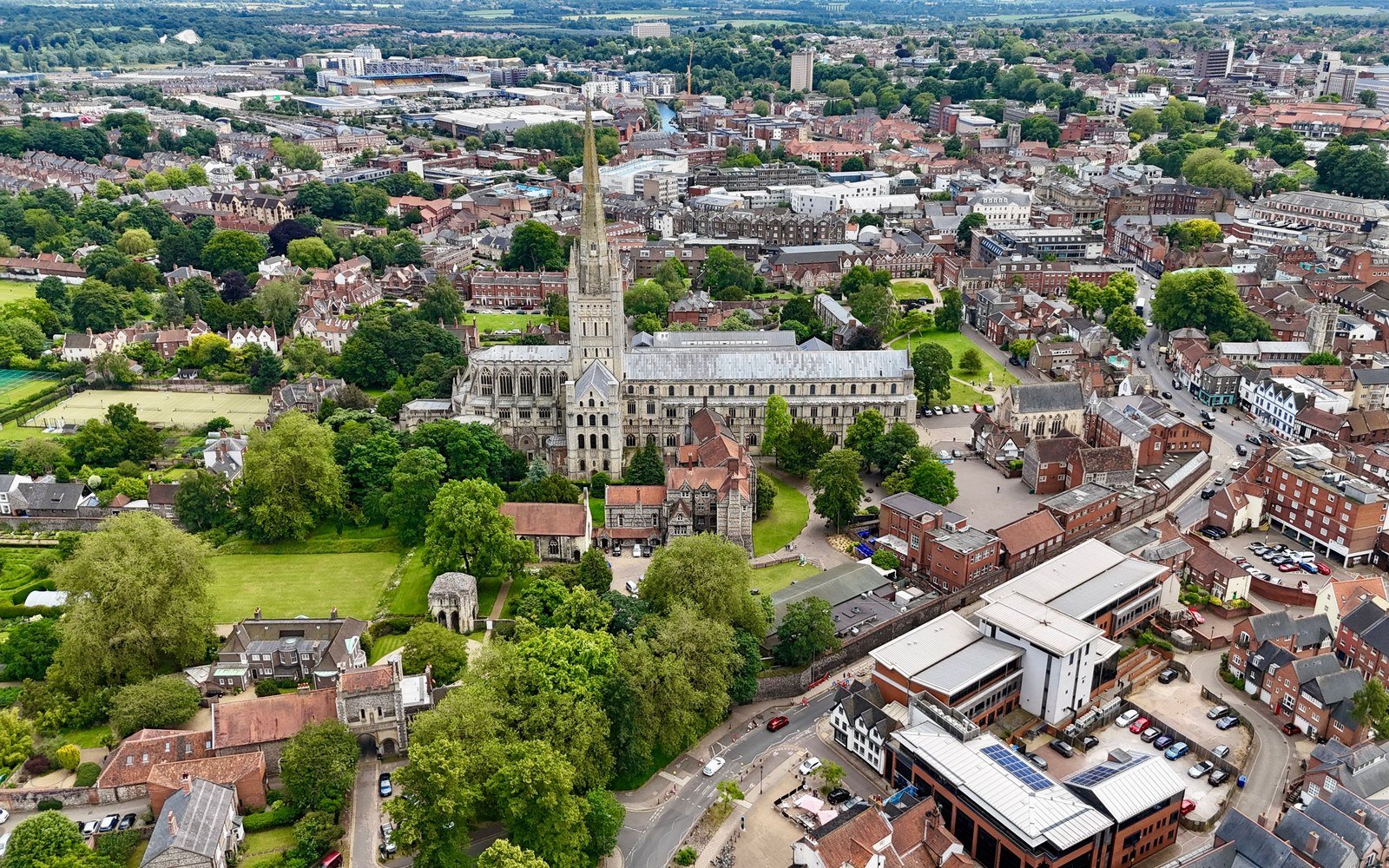
The Norwich contractor's group revenue dropped to £215m and pre-tax profit to £10.5m in the year to December 2025, on delays to schemes starting. Cash rose, borrowings stayed at nil, and the order book for 2026 is described as considerably stronger.
R G Carter has reported a 14 per cent fall in group turnover, to £215m for the year to 31 December 2025 from £249m the year before. Pre-tax profit fell by the same proportion, to £10.5m from £12.2m. The accounts have been filed at Companies House.
The reason the group gives for the shortfall will be familiar to anyone who has watched a pipeline slide through a financial year. Turnover was lower than anticipated because projects did not start on site when they were expected to. The group says its order book for 2026 is considerably stronger and that it expects turnover to rise again as those schemes move into construction.
Construction remains the larger part of the business. That division turned over £194m, down from £225m, with divisional pre-tax profit easing to £8.7m from £9.2m, a fall of about five per cent on revenue that fell by fourteen. Manufacturing turned over £36m against £43m, and its pre-tax profit edged up to £1.6m.
Despite continued challenging broader economic conditions both the construction and manufacturing divisions have delivered a strong trading performance.
Robert Carter, Chairman, R G Carter
The balance sheet is the story
For a subcontractor or a consultant deciding whether to take a place in this supply chain, the revenue line is the least interesting number in the accounts. Cash at bank climbed by more than £10m to £80m, and the group maintained its long standing policy of carrying no borrowings at all.
A privately owned contractor holding £80m in cash with no debt, on £215m of turnover, is a different counterparty risk from one holding a thin cash balance behind a bigger revenue number.
The group also completed the transfer of its defined benefit pension scheme to an insurer during the year, at a cost of £17m to the business. That is a one off charge against a balance sheet that absorbed it without recourse to borrowing, and it removes a long tail liability from a business that has been trading for 105 years.
Headcount came down by around six per cent to 712 staff, which is consistent with a year in which less work reached site than was planned for.
What comes next
The group has secured a place on the Department for Education construction framework as one of three new entrants. Framework positions of that kind do not guarantee turnover, but they do determine which contractors are in the room when a call off comes, and for a regional business with a strong balance sheet an education framework is a sensible fit with the work it already does.
Against a backdrop of wider economic and geopolitical uncertainty, we all will have to remain agile. However, with a strong forward-order book and a highly capable workforce, I am confident that the Firm will navigate any challenges that may arise.
Robert Carter, Chairman, R G Carter
The candid explanation is worth something in itself. A fourteen per cent revenue fall attributed to projects not starting is a statement about clients and planning, not about the contractor's ability to win work, and it is the kind of disclosure that lets a supply chain price the year ahead rather than guess at it.