
Tech and AI
Larbert AI data centre becomes a planning and security test
By Staff Writer | 15 August 2026
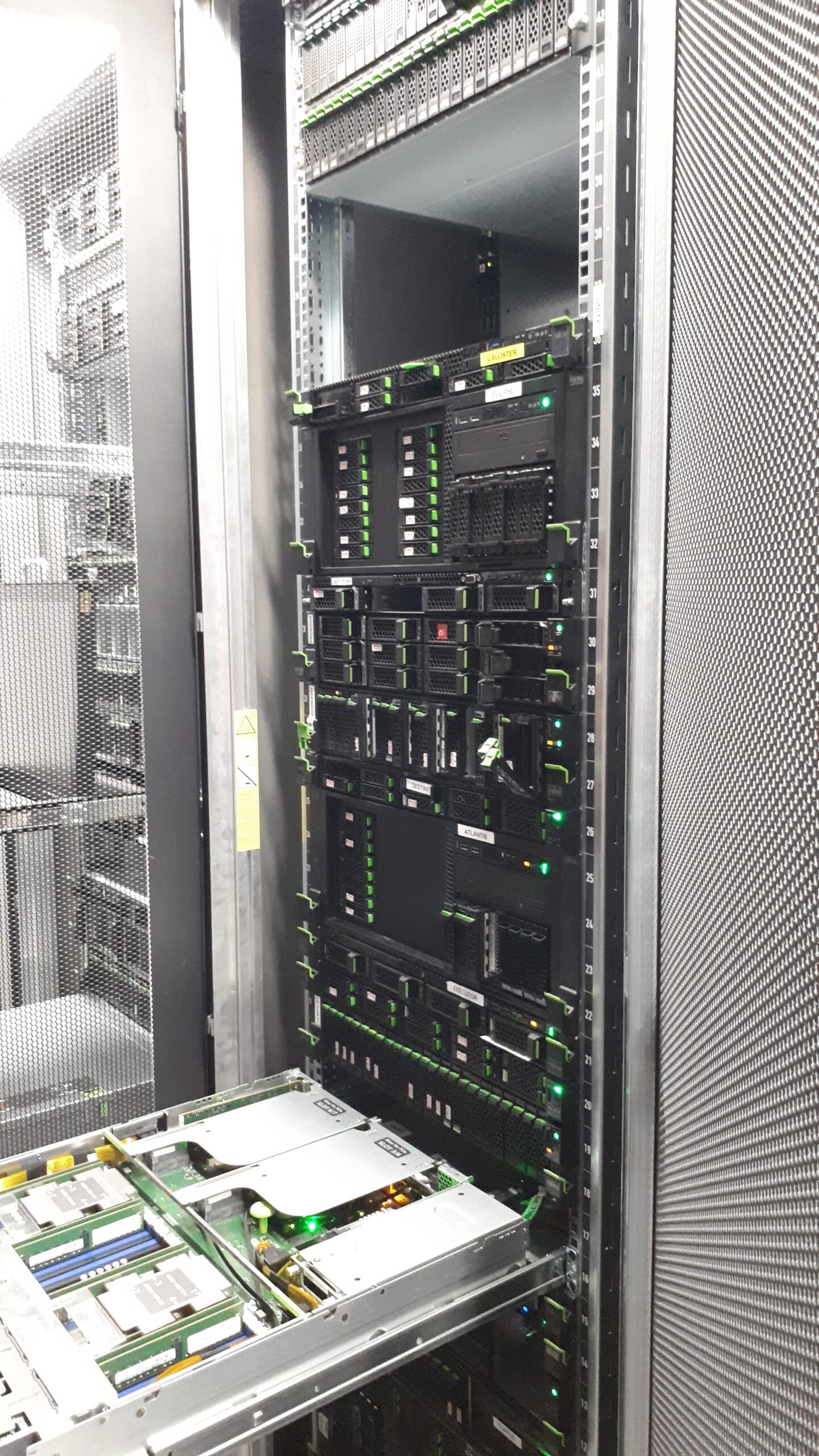
A proposed 300MW AI data centre in Larbert has moved from a local planning dispute into a wider test of how Scotland handles grid demand, standby generation, community risk and physical security around AI infrastructure.
The Larbert AI data-centre proposal is no longer only a question of whether one site beside Glenbervie Business Park should receive planning permission. It has become a test case for the infrastructure behind artificial intelligence: power demand, standby diesel generation, community consultation, public order risk and the gap between national AI policy and local planning control.
Apatura has submitted plans for a 300MW data centre at Larbert. Earlier reporting on the application said the scheme would sit beside Bellsdyke Road, close to homes and public services, and could begin operation later this decade if approved. The developer has described the site as suited to secure, high-capacity digital infrastructure because of its position and grid connectivity.
The process for determining the acceptability of data centre development is rigorous.
Michael Hunter, commercial director at Apatura
The risk picture has widened since the application was lodged. Police Scotland has warned through the planning process that public opposition is likely and that the developer should liaise with police about security arrangements. The concern is not theoretical. Campaigners say objections have grown sharply, and a protest in Larbert this week drew more than 100 people.
Why this matters beyond Larbert
The numbers explain why contractors, advisers and public bodies should watch this dispute. A 300MW data centre is a large power user before any allowance is made for standby resilience, grid reinforcement, construction traffic or operational noise. Earlier local reporting said the development would use 200 emergency diesel backup generators. A Scottish Parliament motion has also recorded concern about hyperscale AI data centres at Larbert and other Scottish sites, including possible reliance on diesel generators and nitrogen oxide emissions.
For AI infrastructure, the delivery risk is shifting from servers and finance to planning consent, grid access, environmental control and public acceptance.
The commercial case put forward by the developer is clear enough. Apatura has said the project could bring major investment, construction employment and long-term technical work. Its own public consultation page presents the scheme as infrastructure for the renewable energy transition and the digital economy. That framing is important, because it places the project inside Scotland's wider ambition to host more digital infrastructure.
The consent route is the hard part
The planning route is where the pressure sits. Residents and campaign groups are raising questions about emissions, noise, water, proximity to health and care facilities, and how much usable local employment a hyperscale data centre would really create after construction. Those are not side issues. They are the matters that can slow consent, produce conditions, increase mitigation costs or expose the scheme to political intervention.
For the construction market, the lesson is direct. AI demand may create a pipeline of data-centre work, but each project still has to survive the ordinary tests of place, power, neighbours and regulation. Larbert shows how quickly a technical proposal can become a public-facing risk file. The teams that price, design and deliver these schemes will need more than capacity forecasts. They will need a consent strategy that can withstand security, environmental and community scrutiny from the start.