
World News
Saudi-led maritime alliance holds first planners meeting
By Staff Writer | 13 August 2026
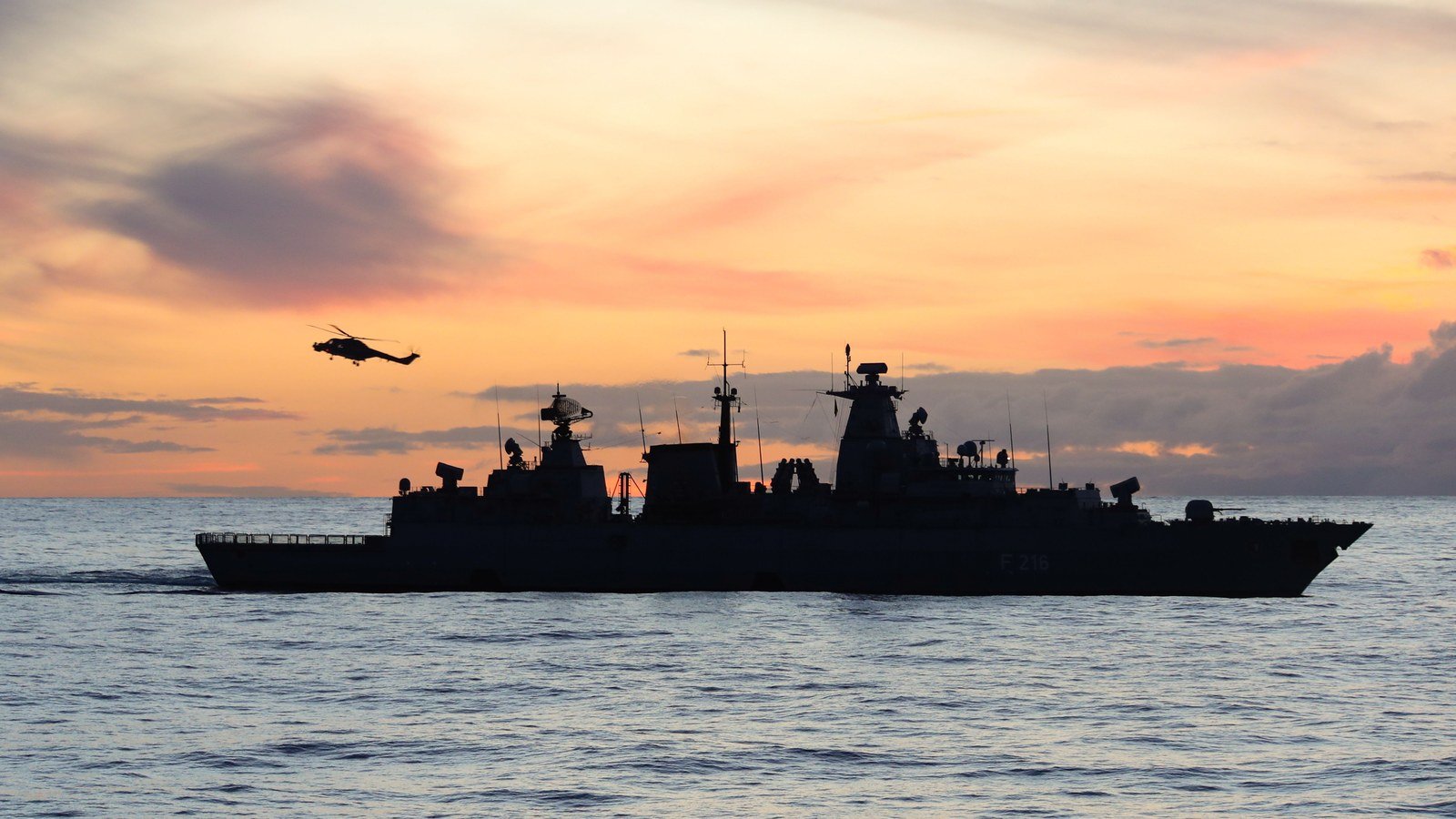
Fourteen states met in the Kingdom on Wednesday to settle the charter and command structure of a naval coalition meant to bring merchant traffic back to the Red Sea.
The Multinational Maritime Defence Alliance held its first planners meeting on 12 August, the opening working session of a Saudi initiative announced two weeks earlier. The meeting was scheduled to run into Thursday and was called to finish the institutional arrangements, settle the charter and open the way for further states to accede. Its stated purpose is freedom of navigation through the Bab Al Mandeb strait, the Red Sea and the Gulf of Aden.
Fourteen countries have signed so far. Alongside Saudi Arabia, which is the founding state and will host the headquarters, the list runs Bahrain, Bangladesh, Comoros, Djibouti, Egypt, Jordan, Kuwait, Pakistan, Qatar, Somalia, Sudan, Turkiye and Yemen. The Saudi defence ministry has said the charter remains open to others.
The alliance came out of a meeting in Riyadh on 30 July attended by chiefs of staff and their representatives from 43 countries, together with the European Union delegation to the Kingdom.
One commander, several reported ranks
Abdullah bin Salem Alshehri has been named commander, with responsibility for the joint naval command, planning across member states and partner coalitions, and the conduct of joint operations. Saudi reporting gives his rank as rear admiral. Emirati reporting of the same appointment has used both admiral and major general, so the rank is recorded here as reported rather than settled.
The immediate problem the command inherits is a route that merchant owners have largely abandoned. Houthi forces have attacked commercial vessels in the Red Sea since the start of 2024, declared a blockade of Saudi shipping last month, and this week struck a cargo ship twice in the Bab Al Mandeb strait, killing crew and rescuers.
Success will depend less on the number of countries that join and more on whether key states participate meaningfully. Egypt, Turkiye and Pakistan bring credible naval capabilities, while Djibouti and Somalia bring geography and local access.
Neil Quilliam, managing director of Azure Strategy
Signatures are the easy part
Quilliam said a workable framework would have to combine naval patrols with intelligence sharing, surveillance and early warning, protection of ports and infrastructure, and coordination between the two coasts of the Red Sea. He pointed to the Red Sea Council set up in 2020 as the cautionary example: assembling the members proved straightforward, while the intelligence sharing and operational coordination that make such a body useful proved much harder.
He put the cost problem plainly. Cheap drones can force a diversion and drive insurance rates up, while keeping warships on station is expensive, so the arithmetic favours the attacker. On his measure, the alliance succeeds only if hulls return in numbers and insurance and freight rates start to fall.
Sanjoy Paul, associate professor at the University of Technology Sydney, said the diversion around the Cape of Good Hope carries costs beyond the sailing time. "The alternative path via South Africa's Cape of Good Hope is a much longer route. From a business perspective, supply chains do not like longer routes. They involve delays, additional transportation and insurance costs and disrupts normal operations," he said.
What to watch
Two states are absent from the founding list and both are named by analysts as useful additions: the United Arab Emirates, which operates one of the region's more capable navies and has direct experience in Yemen and the Red Sea, and Oman, which holds channels to the Houthis that most members lack.
The test will not be the communique issued when the planners rise. It will be the war risk premium quoted on a Jeddah to Suez passage in three months, and whether a charterer signs at that number.