
UK Construction and Law
Hinkley Point C joint venture given until September to comply after a formwork panel fell 29 metres
By Staff Writer | 13 August 2026
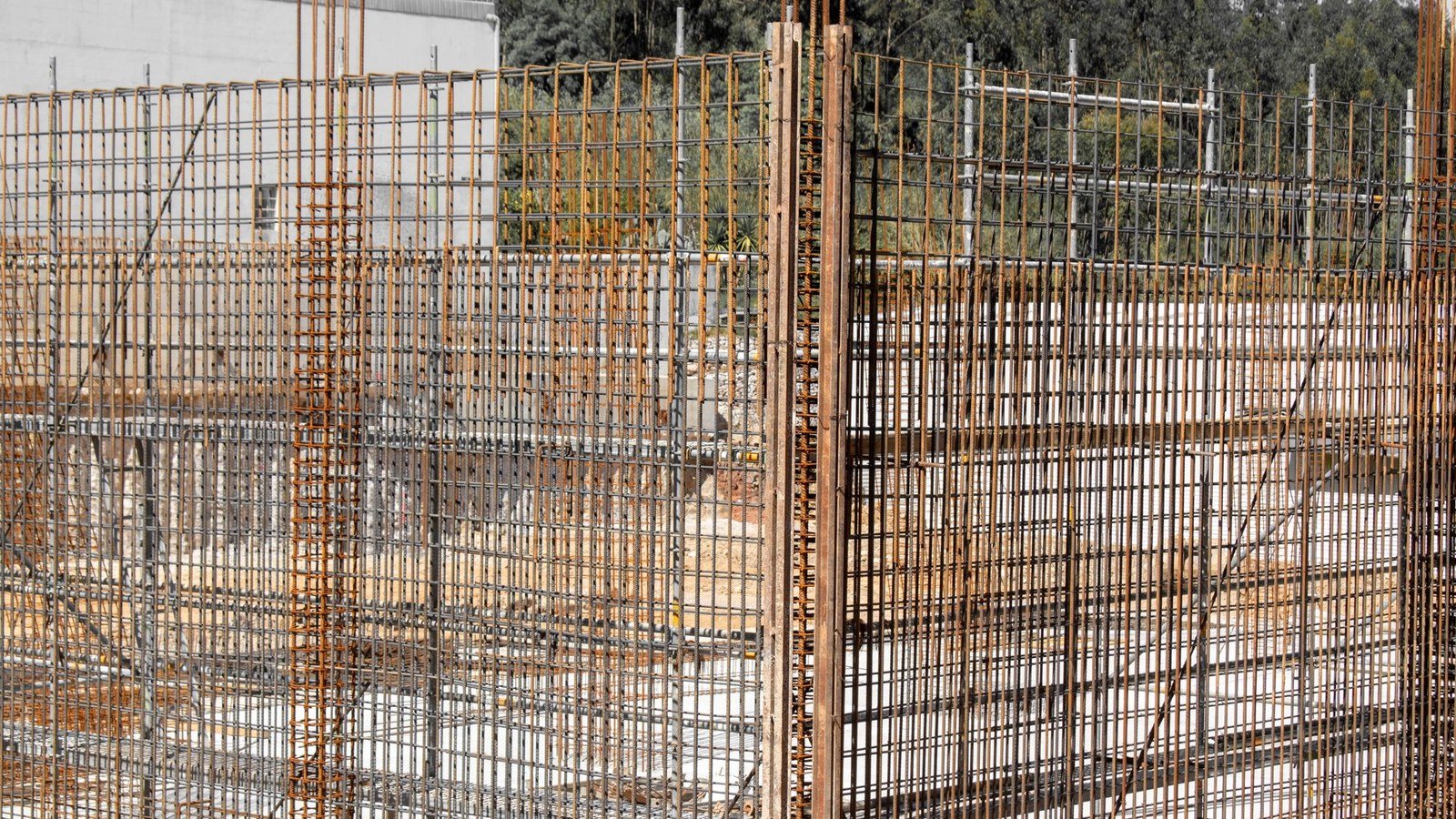
The nuclear regulator has extended two improvement notices served on the Bylor joint venture in June, finding that construction work was not planned, managed and monitored so far as reasonably practicable.
The Office for Nuclear Regulation announced the extension on 11 August 2026. The notices are held against Bouygues Travaux Publics SAS and Laing O'Rourke Delivery Limited, working together as the Bylor joint venture on the Hinkley Point C site in Somerset.
They were served in June after a formwork panel fell approximately 29 metres and left a worker with serious injuries. The incident was reportable under the Reporting of Injuries, Diseases and Dangerous Occurrences Regulations 2013. The regulator has said there was no risk to nuclear safety, to the public or to the environment.
The finding is not that a panel came loose. It is that the work was not planned, managed and monitored so that, so far as reasonably practicable, it was carried out without risks to health and safety.
Why the wording of the finding matters
Both notices were issued under Regulation 15(2) of the Construction (Design and Management) Regulations 2015, which places duties on the contractor in relation to the planning, management and monitoring of construction work.
That is a systems finding rather than an incident finding, and it is the distinction that carries commercial weight. A regulator who concludes that a specific lift went wrong is describing an event. A regulator who concludes that the planning, management and monitoring did not meet the standard is describing the arrangements that produced the event, and those arrangements sit in the contractor's own documents.
The practical consequence is evidential. Method statements, risk assessments, temporary works design and checking records, inspection regimes and supervision arrangements all become the material on which compliance is judged, and they are the same documents that would be disclosed in any civil claim arising from the same facts.
The safety of our people is central to every decision we make and we appreciate the ONR's recognition of the work done to date to address the issues raised. We will continue to work closely with the ONR to complete the remaining actions and meet the requirements of the improvement notice by the revised deadline.
A spokesperson for Laing O'Rourke
What the extension does and does not mean
The regulator granted the extension because it recognises that progress towards meeting the requirements of the notices has been made, and to allow the joint venture more time to demonstrate full compliance. The new deadline is 14 September 2026.
An extension is not a withdrawal. The notices remain in force and the finding behind them stands. What has changed is the period allowed to satisfy the regulator that the arrangements now meet the standard.
The nuclear site licensee at Hinkley Point C is NNB Generation Company (HPC), co-owned by EDF and China General Nuclear Power Group, with EDF holding the majority stake. The licensee is a separate duty holder from the contractor, and the notices in this case are against the contractor.
For anyone running temporary works on a large site, the point to take is the one buried in the regulation number. Enforcement under Regulation 15(2) reaches past the immediate cause and into the paperwork that was supposed to prevent it, and that paperwork is written months before anything falls.