
Deal
EMSTEEL supplies 80,000 tonnes of cement to Etihad Rail
By Staff Writer | 12 August 2026
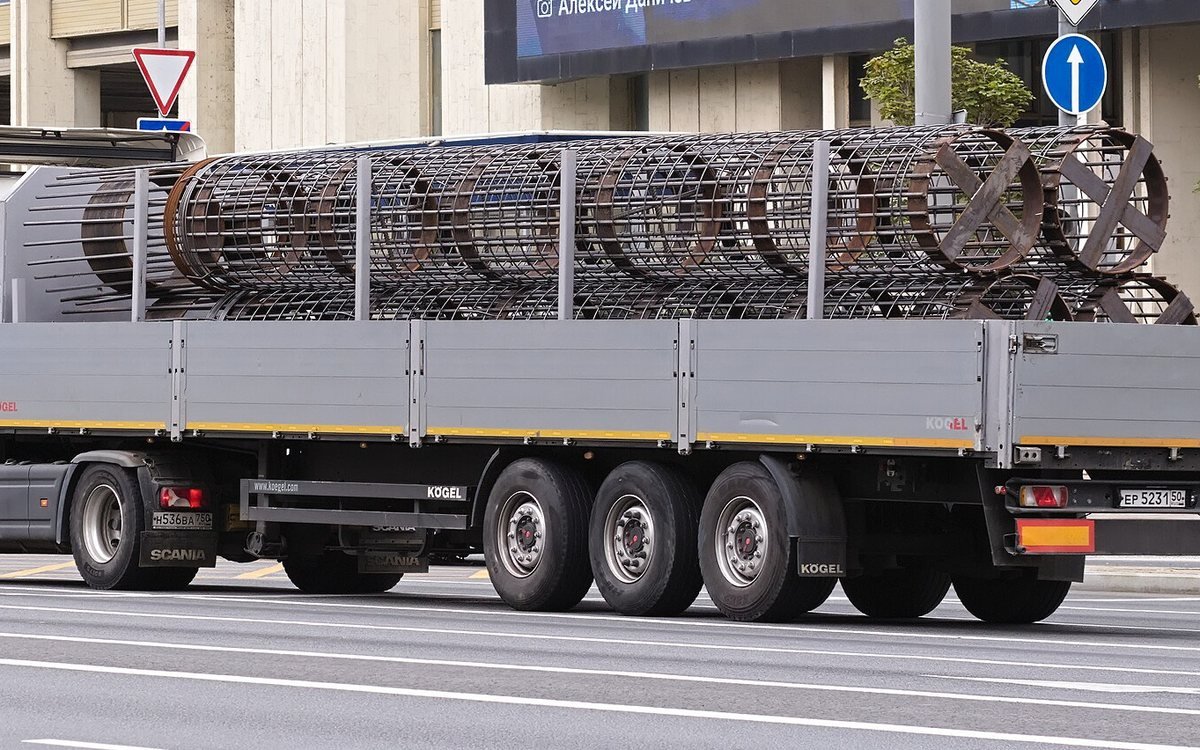
EMSTEEL has supplied locally manufactured rebar and more than 80,000 tonnes of cement to the Etihad Rail passenger project, for stations across Abu Dhabi and the Al Dhafra Region.
The rebar was supplied to several stations forming part of the passenger project. The cement was used to produce concrete for passenger stations across the Al Dhafra Region and the Emirate of Abu Dhabi.
EMSTEEL is a listed steel and building materials manufacturer in the United Arab Emirates. No value has been published for the supply.
Etihad Rail states that local sourcing was prioritised wherever possible on the project, and EMSTEEL's contribution is presented as part of that approach.
Throughout the project, we prioritised sourcing materials from local suppliers wherever possible, enabling us to leverage 'Made in the UAE' products that meet the highest quality standards.
Mohammed Alshehhi, Chief Projects Officer, Etihad Rail
Local content as a contractual obligation
In-country value requirements have moved from policy statement to contract term across the Gulf. Where they appear in the conditions rather than the tender narrative, they carry measurement, reporting and in some cases financial consequences, and a contractor's supply chain choices stop being purely commercial.
The practical difficulty is that a local content obligation and a technical specification can pull in opposite directions. A specification written against an international standard, and a requirement to source domestically, are reconcilable only where a domestic producer holds the relevant certification and can supply at the rate the programme demands. Where it cannot, the contractor is between two obligations in the same contract.
That is why quantities of the order stated here are worth attention beyond the announcement. More than 80,000 tonnes of cement supplied to a single programme from a domestic producer indicates capacity to serve infrastructure work at rate, which is the question that decides whether a local content clause is deliverable or merely aspirational.
Supply, not subcontract
A materials supply arrangement is a contract of sale, not a construction subcontract, and the distinction governs the remedies. A supplier's obligations run to the goods: quality, quantity, delivery date and conformity with specification. It does not ordinarily carry the delay consequences of the works into which the goods are incorporated unless the supply agreement says so expressly.
The gap that opens is a familiar one. Late or non-conforming delivery of a bulk material can delay a whole programme, while the supplier's exposure is limited to the value of the goods and any liability the sale contract imposes. Employers and main contractors procuring bulk materials directly should read the delivery obligations and the limitation of liability together, because the two decide who carries a delay that the supply caused.
EMSTEEL has previously supplied materials to the Barakah nuclear plant, the Sheikh Zayed Grand Mosque, the Burj Khalifa, the Zayed National Museum, the Louvre Abu Dhabi and Dubai Metro stations. The passenger project forms part of the wider national rail programme intended to improve connectivity between the emirates.