
World News
Hormuz deal nears as Iran seeks tolls on shipping
By Staff Writer | 7 August 2026
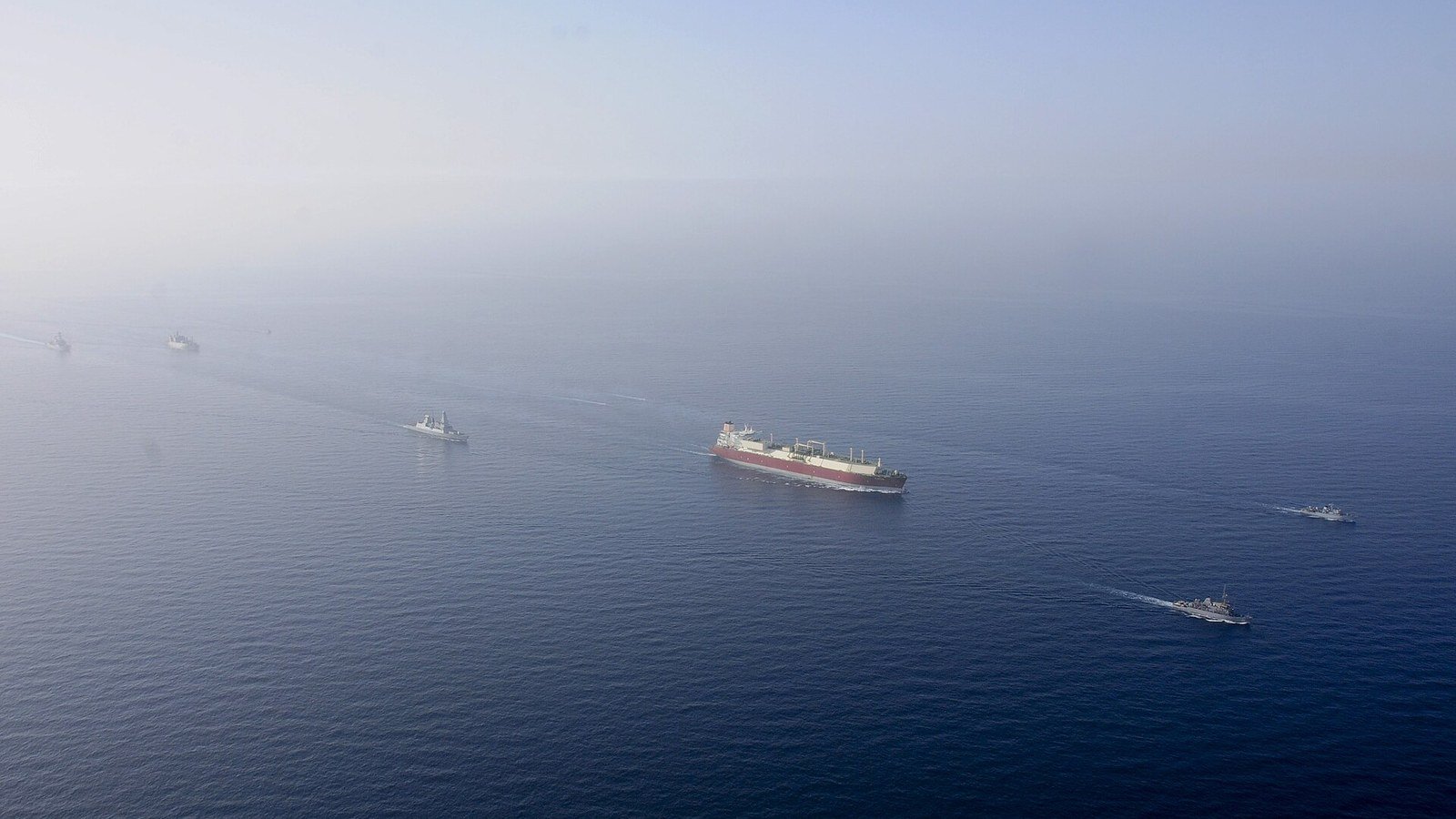
Iran and Oman are in the final stages of an agreement on shipping through the Strait of Hormuz, but a parliamentary plan to bar American and Israeli vessels and charge tolls has drawn a flat rejection from Washington.
Iran's foreign ministry says the two countries are close to concluding terms on how commercial traffic through the strait will be managed. The talks have run for weeks and would give Tehran a greater say over vessels using the route.
Separately, Iran's parliament is reviewing a plan that would bar ships linked to the United States, Israel and other states it regards as hostile until Iran is compensated for war damage. Under that plan, other commercial vessels would pay up to 7 per cent of cargo value to pass, with fines of a fifth of cargo for breaching the conditions.
Roughly a fifth of the world's seaborne oil moves through a channel two miles wide at its narrowest navigable point.
Washington rejects tolls
The American position is that passage must be unconditional. A US official said any temporary routes would carry no approvals or permissions and no tolls or charges. The Treasury Secretary has said publicly that he expects freedom of movement rather than a charging regime.
Energy markets have moved on each signal. Oil eased as reports of a near-agreement circulated, having carried a risk premium since traffic was throttled following the American and Israeli strikes on Iran in February.
I think there is a chance we may have a deal today or tomorrow to open the strait and move towards a more normalized position in this conflict.
Scott Bessent, United States Treasury Secretary
That optimism has been expressed before without a signature following it. Two separate tracks are running at once: the Iran and Oman arrangement on managing traffic, and the question of what Tehran may charge and whom it may exclude. Only the first appears close.
What it means beyond the tanker market
The strait is the artery for Gulf construction as much as for oil. Cement, steel, plant, prefabricated modules and the fuel that moves them all arrive by sea, and the giga-projects in Saudi Arabia and the Emirates are supplied through the same water. Weeks of restricted passage have already lengthened lead times and lifted freight and insurance costs across the region.
For contractors, the commercial exposure is contractual. A toll set as a percentage of cargo value is a cost with no natural home in a fixed-price supply chain, and delivery dates written on the assumption of open water become promises made against a political decision. Force majeure, change in law and price adjustment clauses that sat unread for years are being pulled out and examined.
Insurers have already repriced Gulf voyages, and that cost travels down every tier of the supply chain to the subcontractor who quoted a rate months ago.
A deal would reopen the artery. The terms will decide who pays for the interruption, and the answer will be written into contracts long after the ships are moving again.