
Middle East Construction
Abu Dhabi issues unified facade standards for industrial buildings, starting with Mussafah
By Staff Writer | 22 October 2026
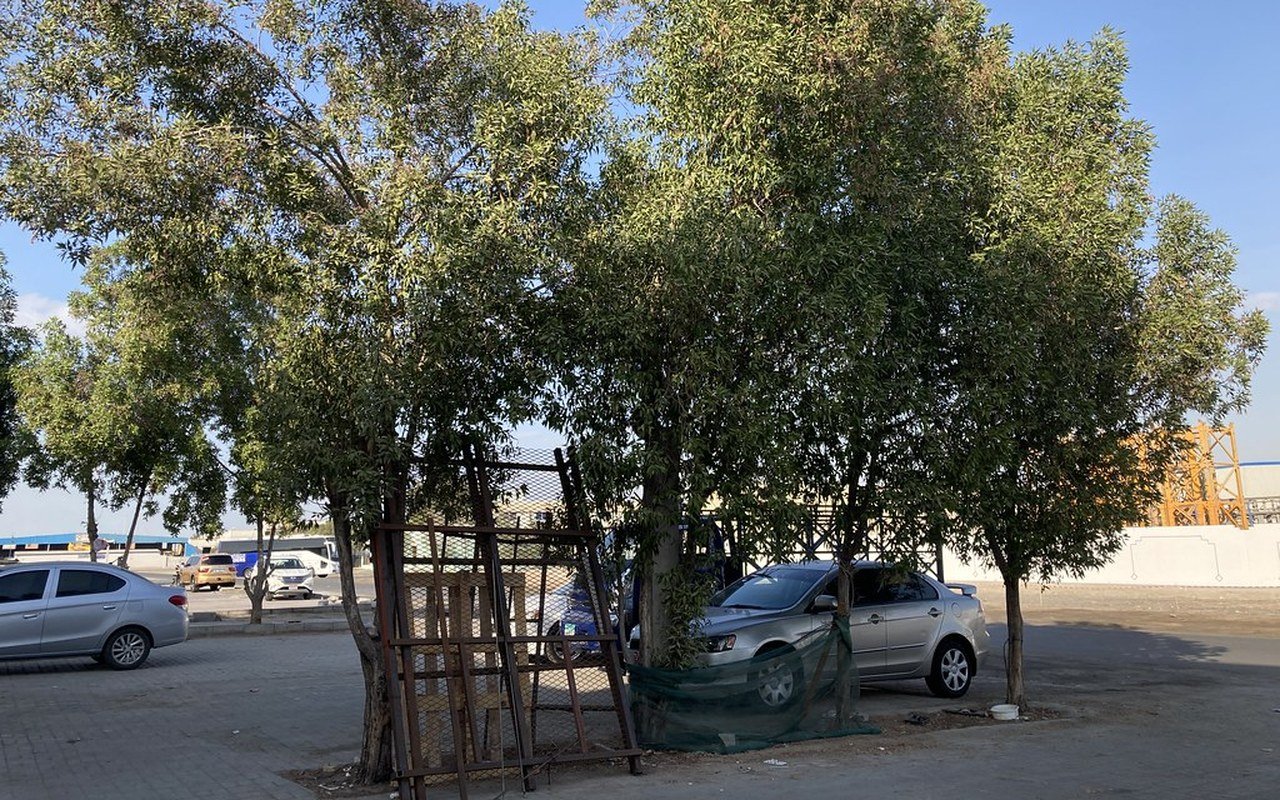
Administrative Resolution No. (48) of 2026 brings existing, new and under-construction industrial buildings facing streets and public spaces in Mussafah under three graded levels of facade improvement.
Abu Dhabi has issued its first set of unified standards for the street-facing facades of industrial buildings. The Urban Planning and Permits Centre, part of the Department of Municipalities and Transport, has issued the Guidelines for Regulating Industrial Building Facades in the Emirate of Abu Dhabi, announced on 21 October, and the first phase of implementation begins in Mussafah.
The guidelines are given effect by Administrative Resolution No. (48) of 2026. They apply to industrial buildings and facilities in Mussafah that face streets and public spaces, and they cover properties that are already standing, new buildings and those still under construction.
What the guidelines cover
The standards deal with the architectural appearance and maintenance of facades, together with signage, entrances, service areas and storage spaces. They also set safety and fire prevention requirements. The stated aims are to improve the appearance of industrial districts, make it easier for pedestrians to move around them, improve the surroundings for the people who use them and encourage materials suited to the local climate and to industrial use.
The release lists the types of property in scope: workshops, warehouses, showrooms, logistics centres, spare-parts shops, vehicle repair and service centres, and mixed-use industrial complexes.
The guidelines grade the required work into three levels, matched to the condition of each building. Level One covers essential maintenance, general cleaning, repainting and minor repairs. Level Two covers the organisation of facade elements, signage, entrances, fences, service areas and open storage. Level Three covers more extensive facade redevelopment in priority locations or where wider improvement is needed.
The guidelines provide property owners and investors with clear standards for upgrading and maintaining their building facades in line with defined requirements, while recognising differences in building conditions and uses. Beginning implementation in Mussafah marks a step towards improving the urban environment of industrial areas, supporting the sustainability of their activities and their contribution to the Emirate's economy.
Abdulla Mohamed Alblooshi, Director General, Urban Planning and Permits Centre
How compliance will work
Implementation is graduated. The process runs through awareness-raising, advisory notices, formal notifications and warnings, each with a period for corrective work, before the authorities carry out follow-up inspections. Where a breach is not put right, the applicable regulatory measures will be taken. Grievance and appeal procedures are available under the approved processes.
What it means for owners and the supply chain
For owners of industrial property in Mussafah, the first practical step is to work out which level a building falls into, because that decides whether the job is a repaint and tidy-up or a facade project in its own right. Level Three work in a priority location is likely to need design input, permits and a contractor able to work around a site that stays in use.
For consultants and specialist facade, signage and fire safety contractors, a single published standard across a whole industrial district is a steady source of small and medium packages. The graduated notice process also gives owners time to plan and price the work, which favours firms that can survey, design and deliver in one engagement.