
Tech and AI
The design economy counts 2.27 million jobs and its leaders say AI is the intern, not the replacement
By Staff Writer | 8 September 2026
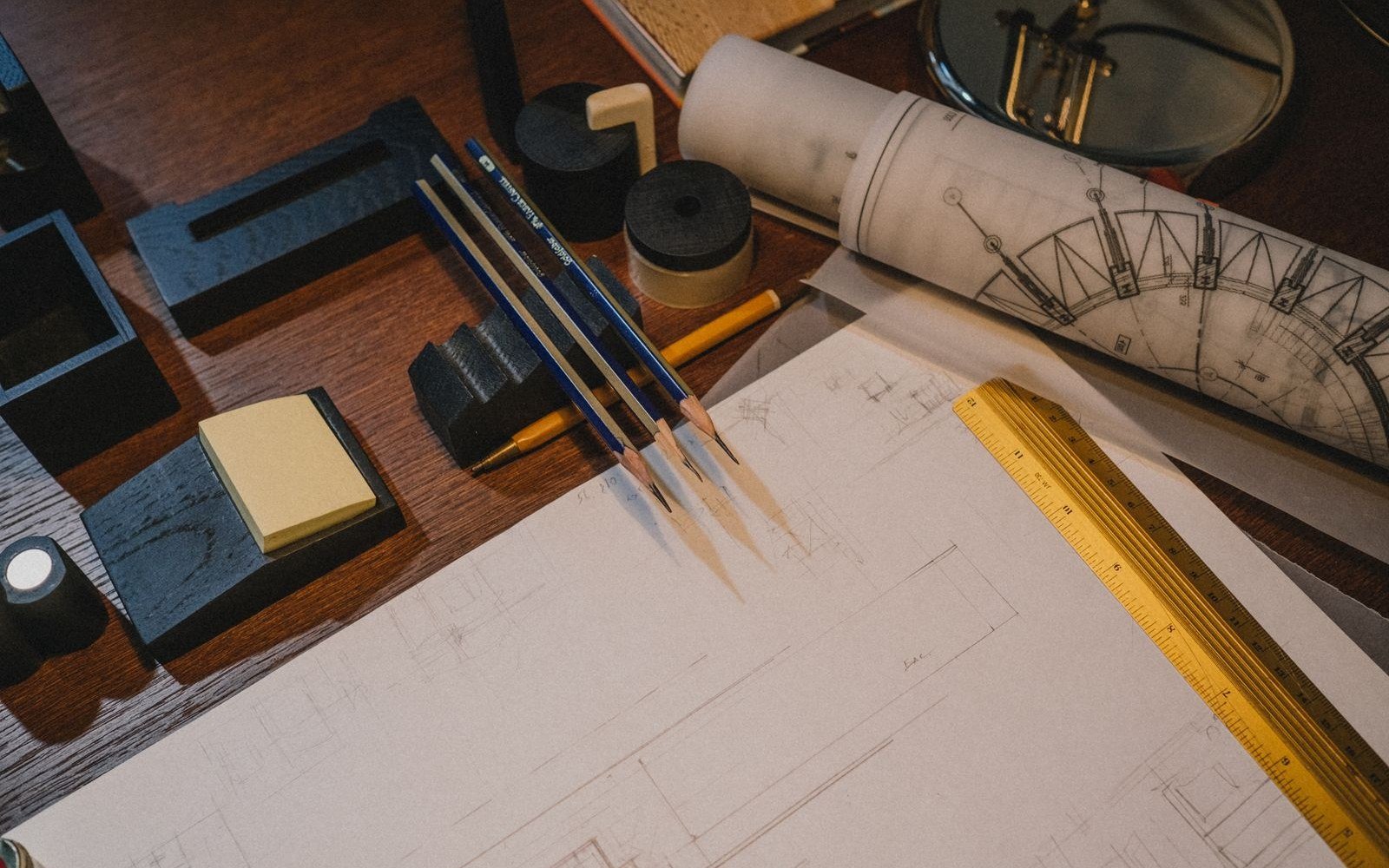
The national design charity's triennial report puts the sector's value at 136.7 billion pounds and its workforce up 15 per cent in five years. Its chief executive and the head of the industry's trade body say the tools are adding value to designers' work, not removing the designers, though the employment figures end before the current models arrived.
The Design Council published the headline findings of Design Economy 2026 on Monday 7 September 2026. The design economy contributed 136.7 billion pounds of gross value added in 2023, an increase of 40 per cent since 2019, and on the council's reckoning it is now larger than the retail sector. Eighty per cent of designers work in wider industries rather than in design firms, and those designers contributed 90.6 billion pounds of the total. The workforce stood at 2.27 million people in 2025, an increase of 15 per cent since 2020.
The sector as the report defines it runs from household products and fashion to building and transport design, and the council says design jobs sit inside construction, services and manufacturing as much as inside studios. That is the reason the report belongs on this tab: the people it counts include the ones who draw the buildings and the infrastructure this site's readers build, and the question the report was launched with is what the current generation of artificial intelligence tools does to their jobs.
What the leaders say
Mat Hunter, the council's chief executive, said designers are increasingly using the tools, and that they are using them to add value.
We are aware that technology always displaces people with new ways of working. However, we believe in the imagination and inventiveness of designers to find opportunities. We believe the UK needs more professional designers, so overall employment should continue to grow.
Mat Hunter, chief executive of the Design Council
Deborah Dawton, chief executive of the Design Business Association, the industry's trade body, drew the line at the level of skill. She also said the industry had been through the same transition before, when computer-aided design displaced draughtspeople and the displaced found work elsewhere in an expanding industry, and that copying by machine changes nothing about copying: the copies look the same but differ in materials, finishes, manufacturing method and assembly.
What protects great designers from AI is skill, experience, empathy and deep understanding of the sectors they operate in. So, no, [workers] shouldn't feel threatened if they operate at this level.
Deborah Dawton, chief executive of the Design Business Association
Andrew Duff, head of the Society of Garden and Landscape Designers, said many in his field were nervous about the technology, and that firms were more likely to use it as the intern in the office than as a replacement for skilled staff. Ms Dawton put the distinction another way: for most businesses the conversation about the tools is about efficiency, while designers have a second conversation, about what the tools open up in the hands of a creator.
What the figures do and do not show
The value figures run to 2023 and the employment figures to the end of 2025. Both predate wide use of the current models. They show that demand for design skills had not fallen by then; they do not show what has happened since.
That caveat is the council's own framing as much as anyone's, and it is the honest reading. The report is evidence that the sector went into the current period growing, with more people in it than five years earlier. It is not evidence about the last eighteen months, which is the period the fear is about. A survey published earlier this year found 57 per cent of the public expect the technology to cause widespread unemployment, and freelancers in the field have described picking up work correcting machine output rather than producing their own.
For a construction reader the practical question is narrower. Design fees on a project are a small fraction of the build cost and the design is where the risk is fixed. If a tool that drafts faster is used to cut the hours of the people who check the drawing, the saving is small and the exposure is not. The report's argument, that the tools add value in skilled hands, is only true where the skilled hands are still on the drawing. The next edition, due in three years, will be the first to measure the period that matters.